Ohio museums still hold Native American remains

Add Axios as your preferred source to
see more of our stories on Google.


The state historical society says it plans to return thousands of Native American remains and cultural items it has held in its collections for over a century.
Why it matters: The Ohio History Connection (OHC) continues to reckon with previous generations' treatment of Indigenous tribes and their sacred sites.
State of play: Since 1990, the Native American Graves Protection and Repatriation Act (NAGPRA) has required federally funded universities and museums to return remains to tribes if their origins can be identified.
- But the OHC initially "thwarted" this law by categorizing nearly its entire collection as "culturally unidentifiable," a recent ProPublica investigation found.
By the numbers: The OHC reports still possessing the remains of at least 7,100 Native Americans, the third-largest collection in the U.S., along with an estimated 110,300 associated funerary objects.
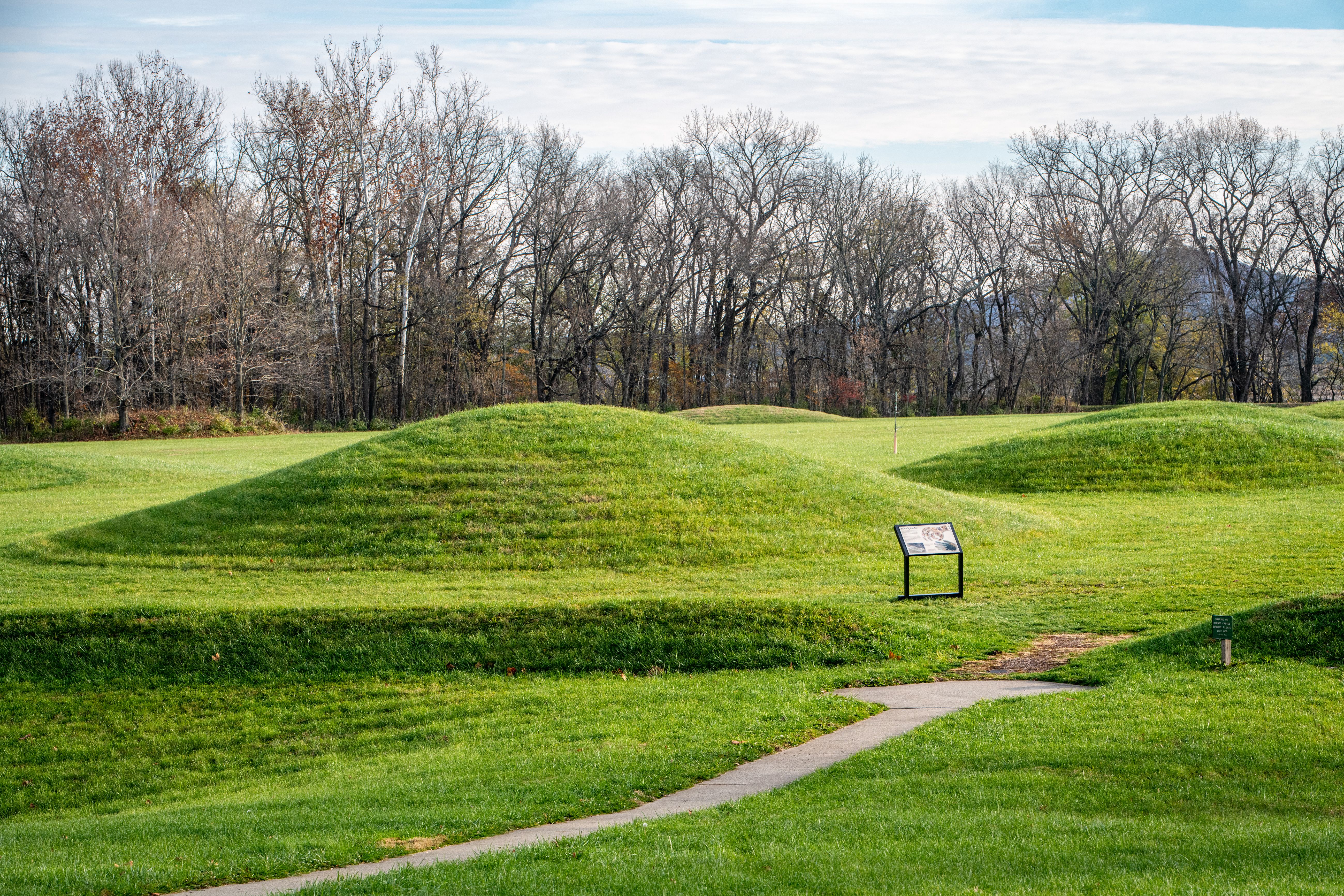
- Many of these items were excavated from burial mounds throughout Ohio in the early 1900s, years after U.S. forces drove tribes from their land.
What they're saying: "Since 1885, there have been a number of archaeologists that have made their careers on the backs of our ancestors pulled out of the ground or mounds," Alex Wesaw, OHC director of American Indian relations and citizen of the Pokagon Band of Potawatomi tribe, told ProPublica.
- "It’s really, truly heartbreaking when you think about that."
What's next: The historical society has placed a moratorium on research access to its ancestral human remains and hopes to repatriate the entire collection by 2031.
- Spearheading this effort is Nekole Alligood, a member of the Delaware Nation of Oklahoma who was hired as a NAGPRA specialist in 2021 to work directly with dozens of tribes with ties to Ohio.
The big picture: This is part of a broader effort among Ohio historians to try and become better stewards of Native American history.
- The OHC recently won the right to regain control of ancient earthworks on land the state previously leased to a Newark golf course.
- Our state maintains numerous other historical sites, including the local Shrum Mound, once built by the Adena culture.
- Great Council State Park, set to open later this year near Xenia (around 50 miles southwest of Columbus), is dedicated to Shawnee tribe history and culture.
Worthy of your time: America's biggest museums fail to return Native American human remains