Measles has "hit closer to home" Mecklenburg County public health director says

Add Axios as your preferred source to
see more of our stories on Google.
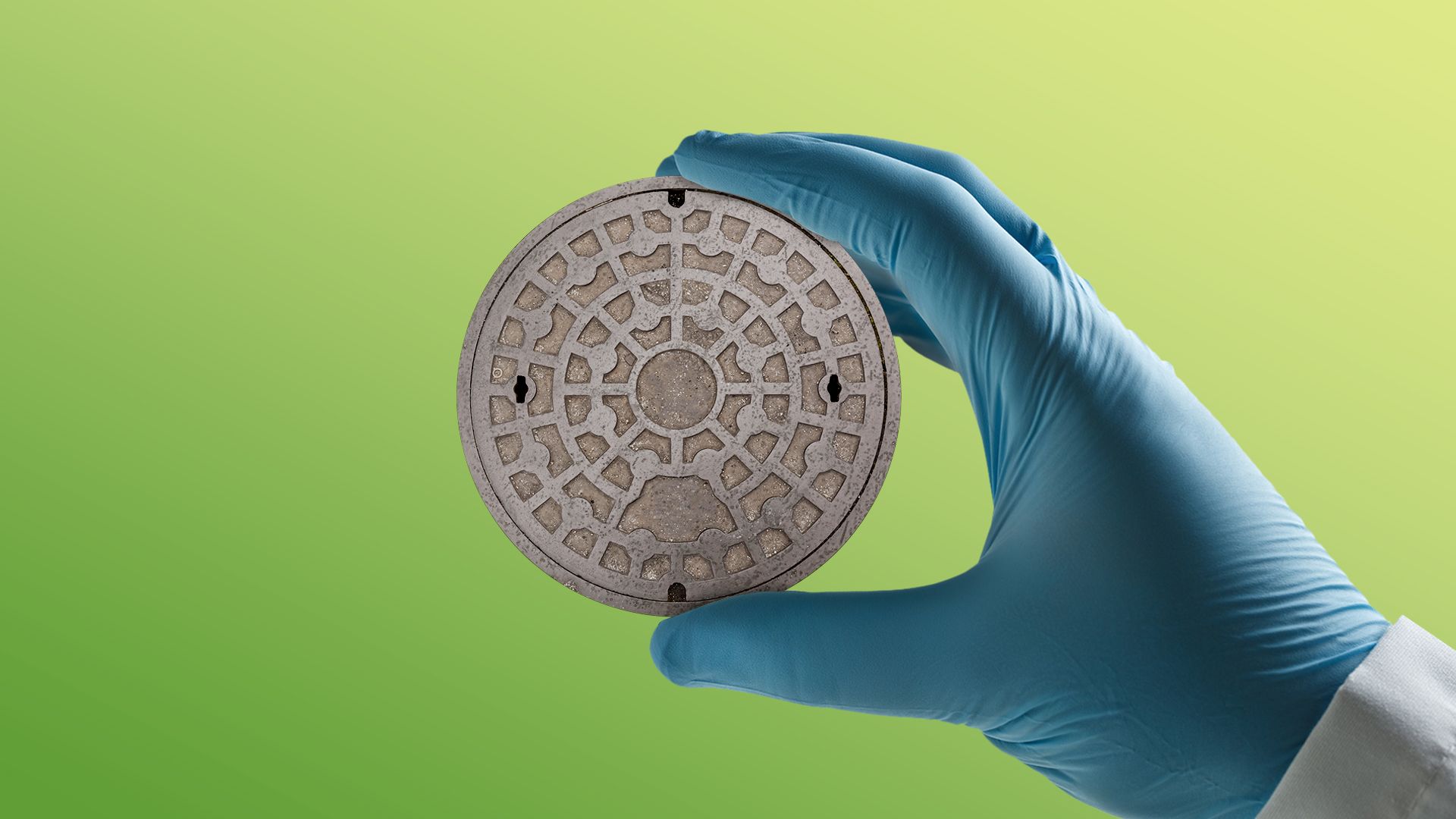
Illustration: Natalie Peeples/Axios
Measles has been detected in the county's wastewater, so Mecklenburg County Public Health is now providing free same-day vaccines to the community.
Why it matters: Since the measles outbreak in South Carolina began in October, Mecklenburg County public health director Raynard Washington and other health officials have been telling people that the disease is "closer to home now and the risk is higher."
- "It's different when the outbreak is in west Texas," Washington tells Axios. "But when it's just across the border and within a stone's throw, our concern does start to rise."
- With detection in the county's wastewater system in a sample from the Sugar Creek Wastewater Treatment Plant Facility, the risk has inched closer.
Driving the news: All Mecklenburg County Public Health Immunization Clinics are offering walk-in services for the MMR vaccine, which covers measles, mumps and rubella.
- The county's mobile health unit will provide vaccines on-site at Charlotte-Mecklenburg Schools for the remainder of the school year.
Threat level: While there have been more than 300 cases in an ongoing outbreak in Spartanburg, S.C. (about 90 minutes southwest of Charlotte), plus five recently reported cases across North Carolina as of Jan. 9, there have not been any cases identified in Mecklenburg County.
Flashback: Mecklenburg County's last confirmed measles case was in 2024. It was a single case that did not have any subsequent transmission, Washington says.
By the numbers: There were 2,144 confirmed measles cases in 2025 nationally, Centers for Disease Control and Prevention data shows. The country hadn't seen numbers that high since 1991.
Between the lines: An estimated 91% of kids in grades K-5 are vaccinated in Mecklenburg County, per state data — below the 95% herd immunity target.
How it works: Two doses of the MMR vaccine are recommended for children, with the first dose between 12-15 months old and the second between 4-6 years old.
- "This is not just about protecting one kid, this is about protecting all kids," Washington says.
The big picture: The outbreak comes amid declining vaccination rates nationally and falling trust in public health institutions.
The big picture: Some children cannot be vaccinated due to medical reasons. When everyone around them has been vaccinated, it helps protect all children, Washington says.