NPR cuts could weigh on North Carolina's largest public radio stations

Add Axios as your preferred source to
see more of our stories on Google.
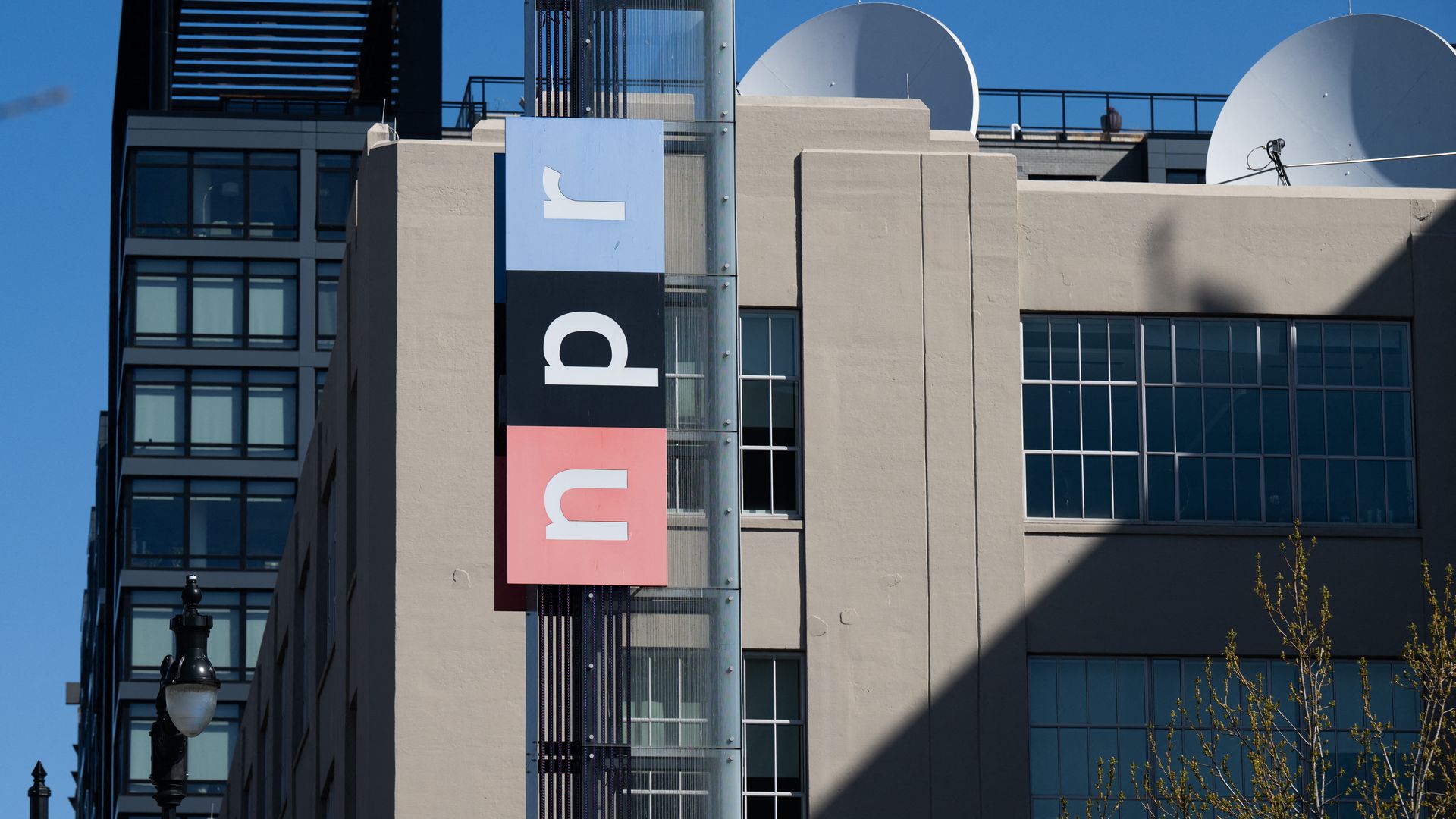
The headquarters for National Public Radio in Washington, DC, on March 26, 2025. Photo: SAUL LOEB/AFP via Getty Images
North Carolina's largest public radio stations — WFAE and WUNC, which serve Charlotte and the Triangle, respectively — get hundreds of thousands of dollars a year from the federal government. Absent those funds, the stations may have to scale back their offerings.
Why it matters: A federal halt of funding for public radio stations, as the Trump administration has proposed, could affect how some communities access local news and information — from what their state lawmakers are doing to alerts from the emergency broadcast system.
Catch up quick: Earlier this month, President Trump issued an executive order to halt federal support for NPR and PBS, calling the two biggest public broadcasters in the U.S. "biased."
The latest: NPR and PBS this week separately announced they're suing the Trump administration over the executive order to curtail their funding.
By the numbers: The Corporation for Public Broadcasting allocates about $535 million in federal funding annually to NPR and PBS, including to local stations.
Zoom in: WFAE and WUNC each get about $800,000 annually from the federal government, according to station leaders.
- These funds are both direct, meaning they're matching funds based on how much revenue the stations generate; and indirect, which refers to shared public radio infrastructure and support like music licensing.
- These funds represent about 5% of the stations' budgets.
Between the lines: The biggest expenses for these stations are personnel and programming. NPR affiliates are required to carry expensive programs such as Morning Edition and All Things Considered, but other smaller programs are ones that stations can elect to pay for and broadcast.
- "When those [federal] dollars go away it means we're cutting into those core offerings we have in some way," WFAE president and CEO Ju-Don Marshall tells Axios. "We're certainly concerned."
Context: Station heads say a cut in federal funding would prompt them to turn to their communities to help make up for the shortfall.
- Fund drives are the top sources of dollars for the station, says WUNC president and general manager Paul Hunton.
- Given uncertainties in the broader economy, it's not a guarantee that they'd be able to make up the entire shortfall, however. "Everybody's a bit tentative now in how they spend their dollars," Hunton added.
Zoom out: WFAE's signal reaches 32 counties across the Carolinas, and WUNC can be heard from the Triad to the Outer Banks. Many of the communities they serve are considered news deserts, meaning they lack reliable local news and information from sources like newspapers.
- In many rural areas, public radio is the only source of reliable information.
Case in point: During Hurricane Helene when communities in western North Carolina lost power and Internet, many relied on just public radio for updates like when the water was coming back on, Hunton says. "It truly was a lifeline for many people in North Carolina," he tells Axios.
- "It's at the local level where public radio has its biggest impact."
Editor's note: We've updated this story with the latest on the lawsuit from PBS.