Why CATS is moving forward with the $845M Gold Line streetcar extension

Add Axios as your preferred source to
see more of our stories on Google.
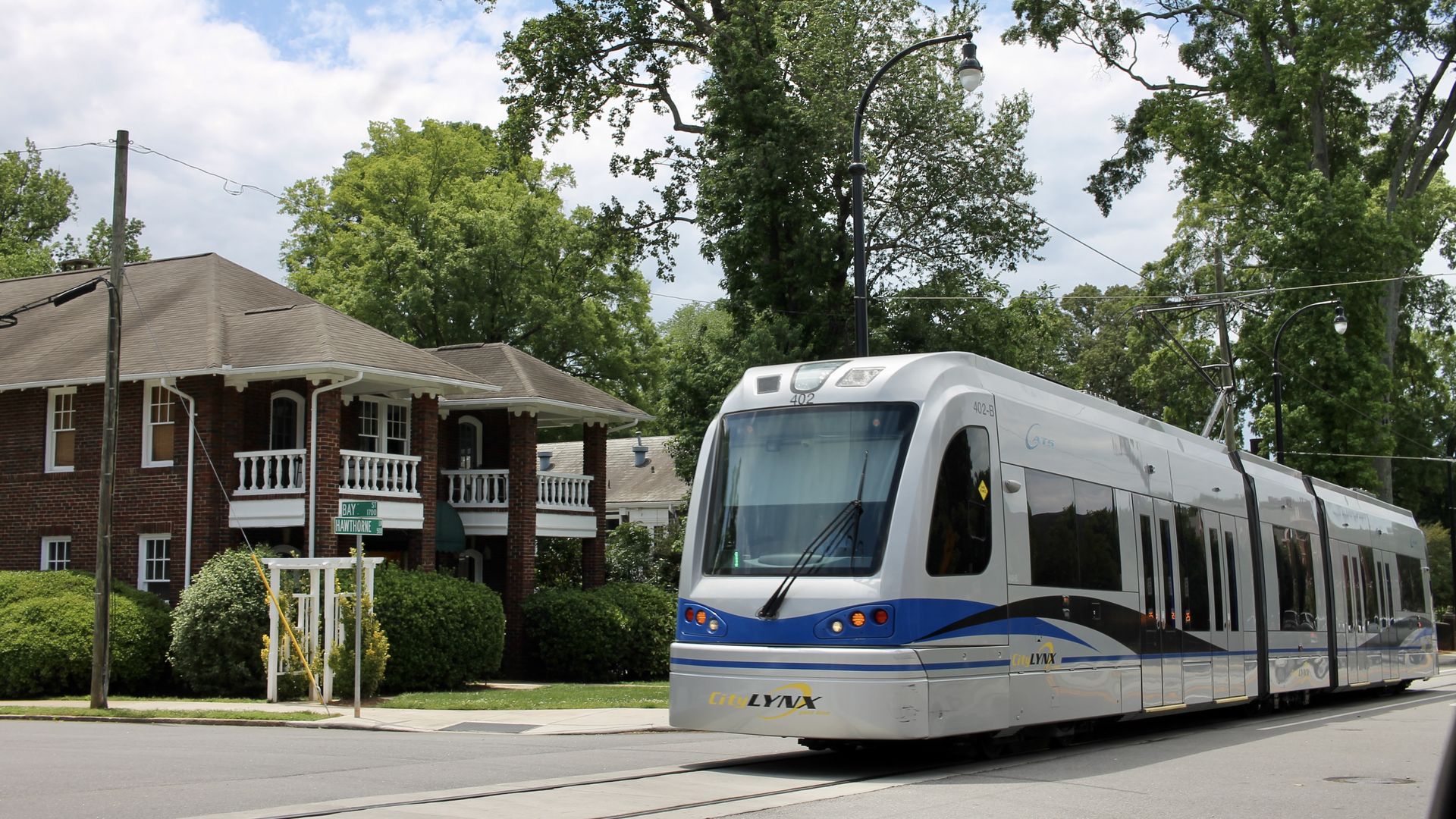
The Gold Line streetcar on Hawthorne Lane. Photo: Alexandria Sands/Axios
The Gold Line streetcar extension remains a must-do project for Charlotte under revamped transit plans.
Why it matters: Though the Gold Line has seen notable improvements in ridership, it's still not very popular. Many commuters say they can reach their destination faster by walking than waiting for the train. Regularly, parked cars block the tracks and shut down the system.
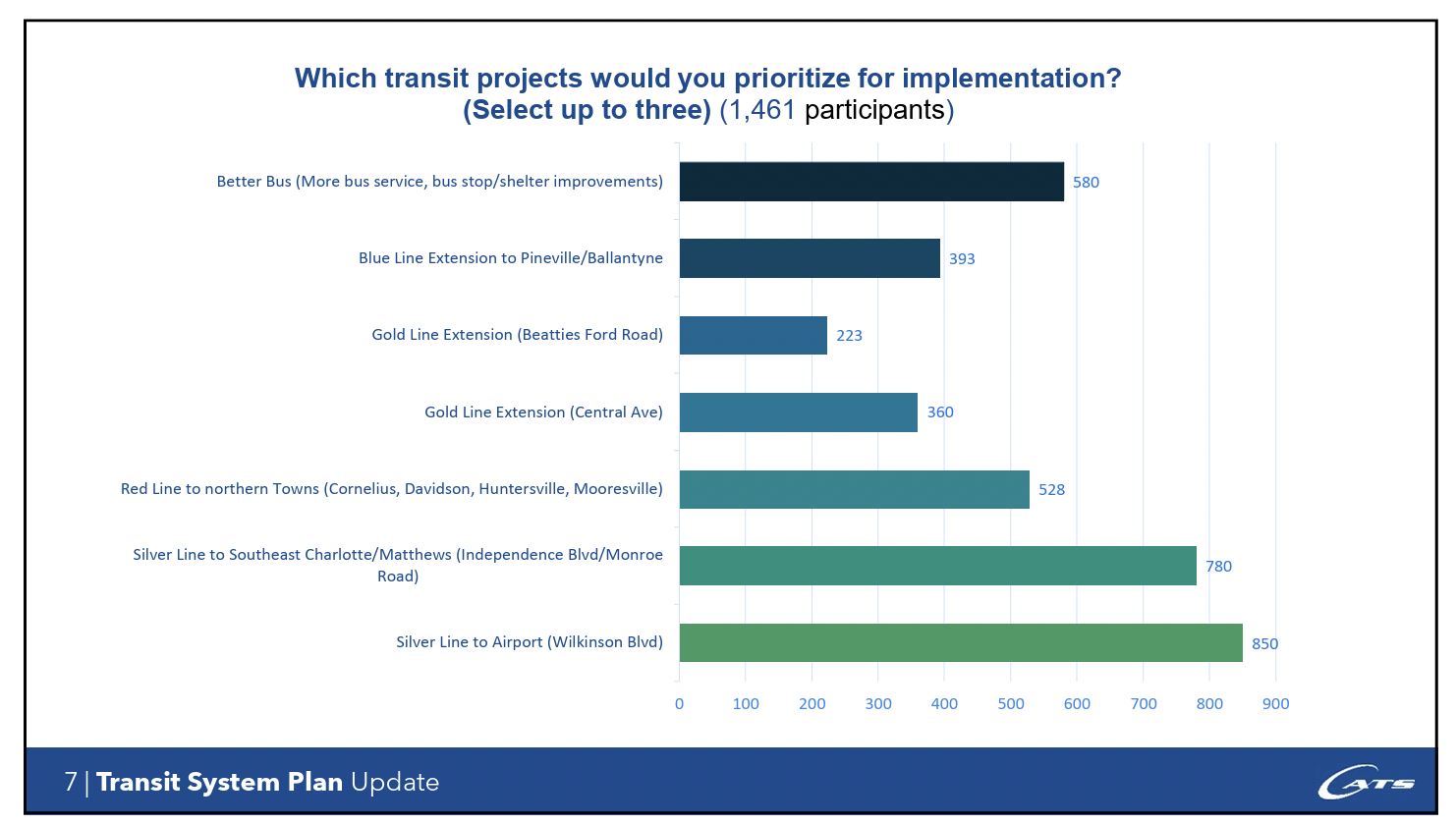
- In a recent survey, respondents ranked the Gold Line as the lowest project Charlotte Area Transit System should prioritize.
Yes, but: It's the smallest of Charlotte's four proposed rail projects. Cutting it from the plans wouldn't free up a meaningful amount of money compared to the $6.9-billion Silver Line light rail or $1.8-billion Blue Line extension, says interim CATS CEO Brent Cagle.
Catch up quick: Mecklenburg County leaders expect to pass a 1-cent sales tax increase for transit during this November's election. The proposed spending plan would generate $7.8 billion for rail over 30 years.
- That can't afford all the rail lines Charlotte wants, so CATS must determine which ones it should prioritize. It's come up with four scenarios. Every single one includes the Gold Line.
- The Blue and Silver light rails may be shortened or changed to bus rapid transit to reduce costs.
The big picture: Moving forward with the streetcar extension helps CATS achieve its goal of serving all the routes and areas it committed to serving in the old 2030 transit plans. It would also serve many passengers who take two of CATS' most popular bus routes: the 9 and 7.
The Gold Line's western portion will extend 2 miles along Beatties Ford Road, from French Street to Rosa Parks Place.
- Cost: $380 million
The Gold Line's eastern portion will extend 4 miles along Central Avenue, from Sunnyside Avenue to Eastland.
- Cost: $465 million
Timeline: Both would take approximately five years to build.
- It's unclear when construction could start. Half of the Red Line commuter rail — a nine-year project — would need to be finished before any other rail project could begin, according to the terms of draft legislation allowing for the tax referendum.
- CATS would start on the Silver Line next. More design work is done on the Silver Line than on the Gold Line, Cagle says.
By the numbers: Gold Line ridership grew 48.1% in December compared to the year prior. Overall ridership across CATS rose 8.6%.
- The streetcar serves an average of 2,008 riders on weekdays.
- Cagle attributes the spike to special events and riders catching onto improved frequencies.
- Once the extensions are built, the streetcar would run 6am to 12am, at 15-minute frequencies during the day and 30-minute frequencies at night.
What's next: CATS is looking at improving the streetcar's reliability through streetlight priority and letting it bypass stops where no one is waiting.