How a Gov. Hinojosa might reshape Texas

Add Axios as your preferred source to
see more of our stories on Google.
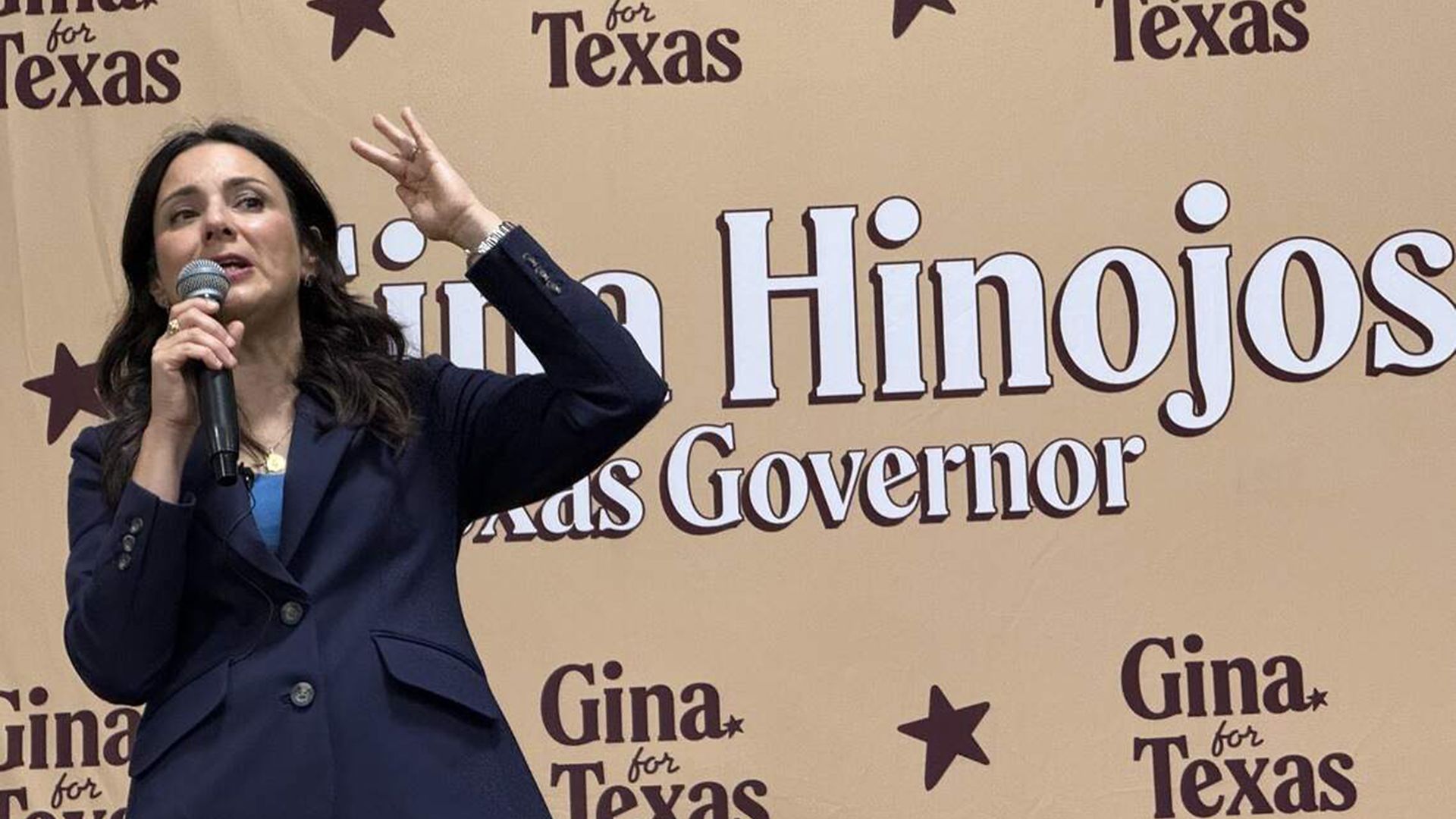
State Rep. Gina Hinojosa, the Democratic nominee for Texas governor, speaking in late September. Photo: Eleanor Dearman/Fort Worth Star-Telegram/Tribune News Service via Getty Images
Gina Hinojosa, a Democratic state legislator from Austin, entered the race to unseat Gov. Greg Abbott as a heavy underdog. But with polls suggesting a surprisingly tight contest, we looked at how she could shape policy if elected.
Why it matters: Republicans have expanded the governor's powers, especially during Abbott's tenure, and Hinojosa would inherit that broader authority upon taking office.
- From appointing boards that oversee public universities and environmental enforcement to issuing death penalty reprieves, the governor can shape state agencies and policy in his or her image.
Zoom in: Abbott has systematically expanded gubernatorial power.
- He ordered state agencies to submit rule proposals to his office before they go out for public comment.
- Abbott used his emergency authority during the COVID-19 pandemic to both require masks in public and later bar local governments and businesses from imposing mask mandates.
- Relying on a disaster declaration he issued, Abbott expanded border operations during President Biden's term.
The big picture: Decades of Republican dominance has meant governor-appointed boards and commissions are populated by GOP loyalists.
How it works: The governor appoints the board members of the three-member Texas Commission on Environmental Quality, which adopts environmental rules;
- The regents of public university systems (including the University of Texas, Texas A&M and Texas Tech), which hire university presidents;
- The boards of river authorities, such as the Lower Colorado River Authority, which manage surface water resources for much of the state;
- The Texas Transportation Commission, which approves highway expansions and oversees the Department of Transportation.
Case in point: The governor can direct his appointees to take certain actions. In 2023, Abbott called on the state parole board, whose members he had appointed, to recommend the release of convicted killer Daniel Perry and the restoration of his firearm rights.
- Abbott then issued a proclamation pardoning Perry, who was serving a 25-year prison sentence for killing a Black Lives Matter protester in Austin in 2020, after the board issued a unanimous recommendation of full pardon.
Plus: The governor appoints judges to serve out the terms of jurists who step down before their terms end.
What they're saying: Hinojosa, a former Austin ISD school board president, has said she would fire Texas Education Agency commissioner Mike Morath if elected governor.
- Morath has overseen state takeovers of public school districts.
Reality check: The terms of political appointees to boards and commissions are typically staggered and new appointees require Texas Senate confirmation.
- A governor generally can't replace members simply because they disagree with a new administration.
- And while the governor can take some limited, immediate policy action — a Gov. Hinojosa could grant a 30-day reprieve in capital cases — big policy changes like a long-term death penalty moratorium couldn't be done single-handedly.
- Hinojosa could name a new head of Texas Health and Human Services, but that person can neither unilaterally expand Medicaid (that requires legislative authority) nor change eligibility for SNAP benefits (which is chiefly controlled by the U.S. Department of Agriculture and Congress), Thomas Suehs, a former executive commissioner of the agency, tells Axios.
Between the lines: The governor needs the cooperation of other elected officials (such as the lieutenant governor, who presides over the state Senate), to write his or her policies into law.
- Republican Lt. Gov. Dan Patrick, also serving his third term, is up for reelection, too. Democrats would need to gain 14 seats in the House to take charge and four seats in the Senate — a tall order considering Republicans drew districts to elect as many Republican candidates as possible.
What they're saying: "Bargaining will be key," University of Houston political scientist Brandon Rottinghaus, who recently wrote a book about former Gov. Rick Perry, tells Axios.
The intrigue: Veto power would likely be a Gov. Hinojosa's most powerful weapon, Rottinghaus says.
- That itself would lead to bargaining, as lawmakers hope to get their bills approved into law, he said.
- That veto power extends to line-item vetos of the budget — she can "very precisely scalpel out funding she's not comfortable with — and the Legislature will understand that," he says.
What's next: Early voting starts Monday. Election Day is Nov. 3.