Austin builds waste collection fleet facility

Add Axios as your preferred source to
see more of our stories on Google.
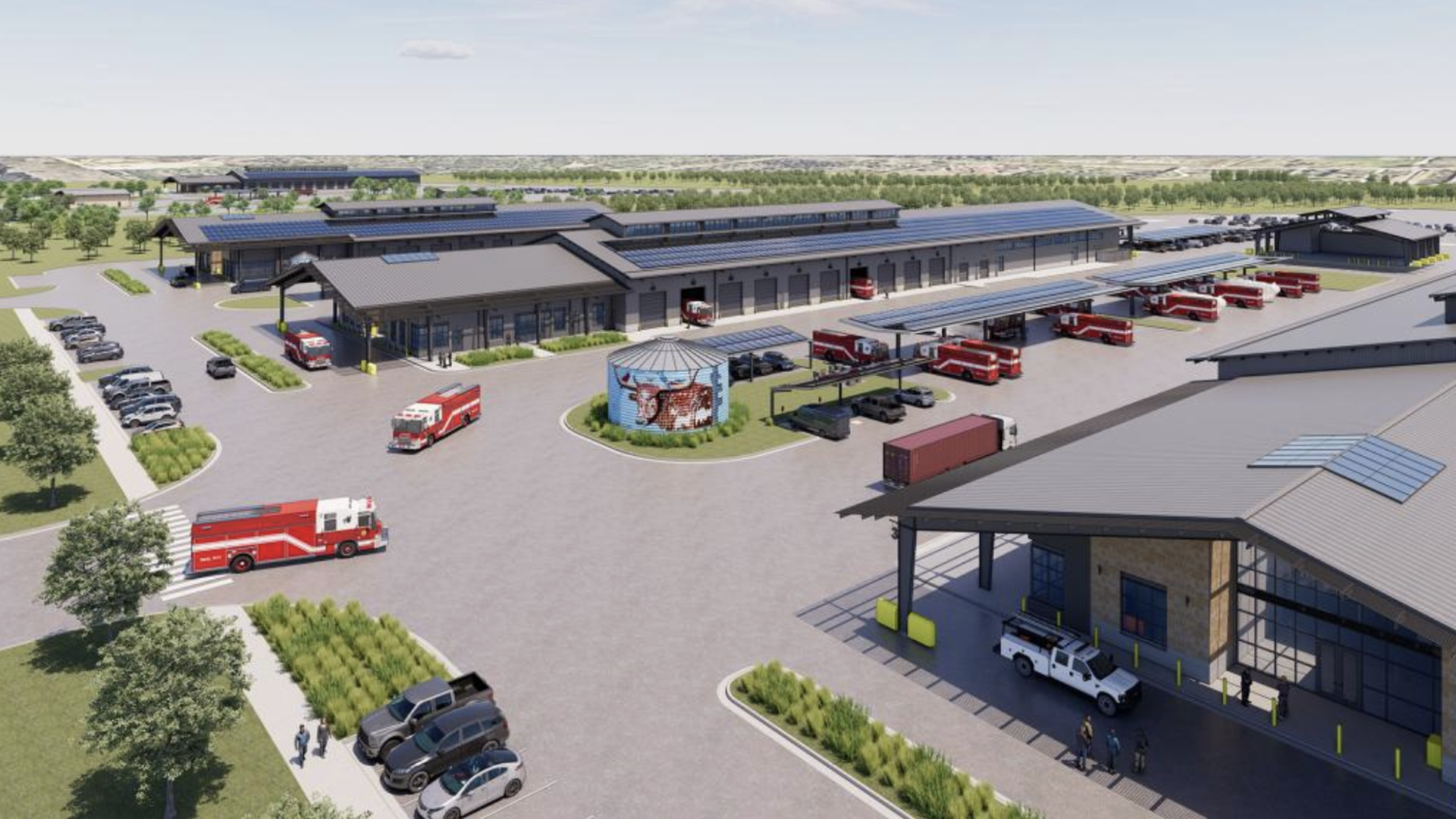
A rendering of the Northeast Service Center. Photo: City of Austin
Hoping to ratchet down the amount of trash that ends up in local landfills, city officials will break ground this week on a northeast Austin facility that they say will improve waste collection.
Why it matters: The construction of the Northeast Service Center (NESC) comes as the city has struggled to meet its zero waste goal.
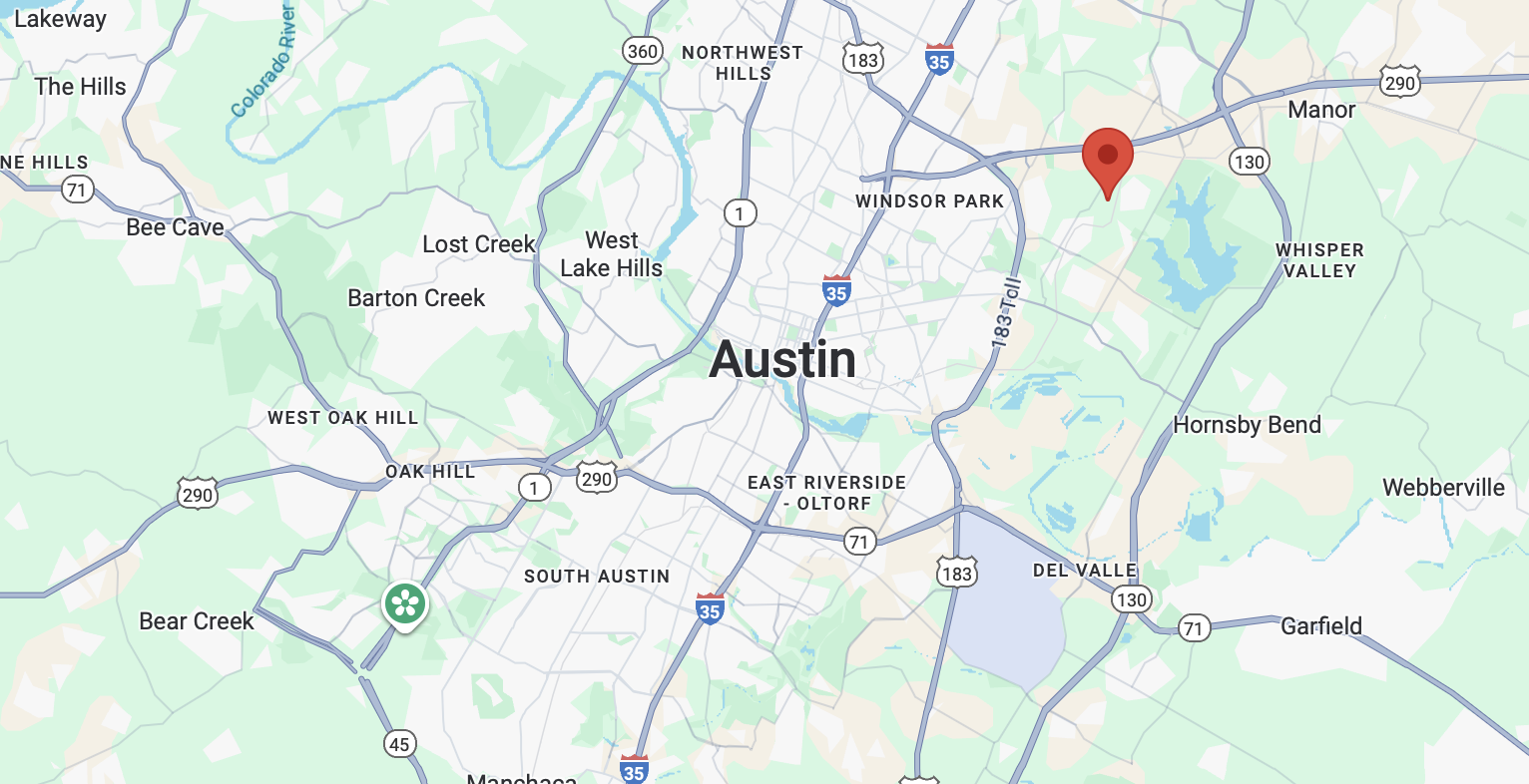
State of play: The NESC, located near the intersection of Johnny Morris Road and U.S. 290, will house Austin Resource Recovery (ARR) vehicles and other city fleets, alongside administrative buildings.
- The facility, equipped with rainwater collections systems and solar panels, will also include space for public art installations and a community room available for neighborhood groups.
What they're saying: The new facility will "increase operational efficiency" by streamlining the city's north side services, ARR spokesperson Keri Greenwalt tells Axios.
- Citing the "deconstruction" approach that governed the facility's design, she framed the very building of the facility as helping advance the city's zero waste goal.
- The building incorporates its eventual destruction into the design and material choices, she says. "This 'construction in reverse' helps keep building materials out of landfills."
Follow the money: The Austin City Council has appropriated roughly $250 million for the project, with money coming from waste collection fees and the general fund.
Between the lines: In 2009, Austin set a goal of diverting 90% of waste away from landfills and incinerators by 2040. But the city "is not on track to meet this goal," the city auditor found in a report released this month.
- In fact it appears to be moving in the opposite direction. ARR's fiscal 2024 report shows Austin's diversion rate was 37%, less than the diversion rate just shy of 40% a decade earlier.
Yes, but: ARR director Richard McHale wrote in response that diversion rates are hard to measure accurately.
- "Even with perfect recycling behavior, the maximum achievable diversion rate is 65% due to changes in product design and material complexity and limited recyclability of multi-material packaging," he wrote.
What's next: Officials say the facility will be completed in fall 2027.