Measles case reported in Austin


Add Axios as your preferred source to
see more of our stories on Google.
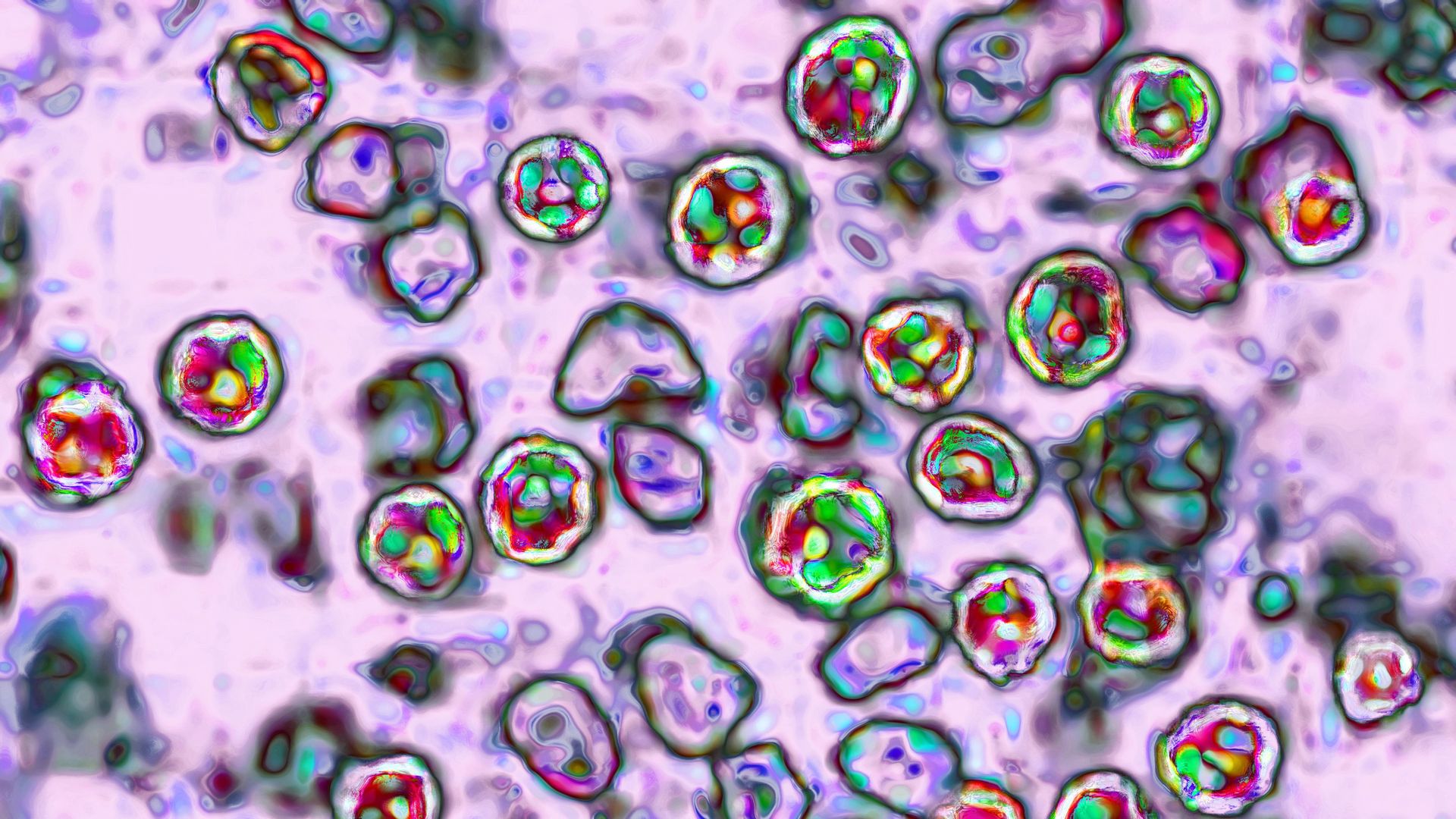
The measles virus, paramyxoviridae from the Morbillivirus family, transmission microscopy view. Photo: BSIP/Universal Images Group via Getty Images
An unvaccinated Austin infant was confirmed to have measles Friday, Austin Mayor Kirk Watson said during a press conference.
Why it matters: The first measles case in Austin since 2019 comes at a time of dropping vaccination rates and declining trust in public health institutions.
Between the lines: Officials said the infant may have caught the disease while the family was traveling overseas — not as a consequence of the West Texas measles outbreak.
- Officials said all family members of the infant were vaccinated and contact tracing suggests no community-wide exposure.
Zoom out: The U.S. recorded its first measles death in a decade this week amid the largest outbreak of the disease in Texas in three decades.
- Texas health officials reported Friday that 146 measles cases have been identified since late January, with 20 patients hospitalized.
What they're saying: "I want to emphasize to everyone listening that vaccination remains the best defense against this highly contagious and deadly disease," Watson said Friday.
- "It's time to check and make sure that you're up to date with your vaccination."
Who is at risk of infection?
Measles is a highly contagious, airborne disease that can cause serious health complications, including death, especially in children under 5.
- Immunocompromised people, unvaccinated people, and vaccinated people who did not develop immunity are at highest risk of infection.
- Pregnant women, adults over 30, immunocompromised people, and young unvaccinated children are at the highest risk of severe complications.
Flashback: The disease was officially eradicated in the U.S. in 2000 due to an effective vaccination program.
- However, measles rates have risen again as vaccination rates among kindergarteners have dropped below the 95% target set by the Centers for Disease Control and Prevention.
- In the 2023-24 school year, 83.67% of Austin ISD kindergarteners had received the vaccine for measles, mumps and rubella, or MMR, according to data from the Department of State Health Services.
- Global measles cases have been increasing, leading to more chances of an unvaccinated traveler bringing the disease to the U.S.
What are the symptoms?
Symptoms of measles include a high fever, a runny nose, a "barky" cough, red or bloodshot eyes, a blotchy rash, and tiredness, per the Cleveland Clinic.
- Other symptoms could be a sore throat, muscle pain, sensitivity to light, and white spots in the mouth.
- The rash starts as red spots on the face and then spreads downward to cover the entire body. The rash lasts from seven to 10 days.
- There is no specific treatment for measles other than treating symptoms and preventing complications. Some measures can be taken to treat people without measles immunity who have been exposed to the virus, including post-exposure vaccination and immune serum globulin, according to the Mayo Clinic.
How can I stay safe?
The best way to protect yourself against measles is vaccination, per the CDC. The MMR vaccine is safe and effective.
- All U.S. states require children to have the MMR vaccine to attend school, and the CDC recommends children get two doses, though in many states, like Texas, parents can opt out of the requirement because of religious or personal beliefs.
- Dr. Céline Gounder, editor-at-large for public health at KFF Health News, told CBS News that people born after 1957 and vaccinated before 1968 could use a booster because at the time, they were using less effective vaccines.