AARP, the leading advocacy group for adults age 50 and up, is increasingly leaning into social media and digital channels to reach seniors — but it's not ditching its print magazine.
Why it matters: Senior citizens are increasingly online, forcing AARP, a media behemoth in its own right, to rethink how it reaches its members.
The Iran war is highlighting the fragile nature of global drug supply chains as disruptions ripple far beyond the Persian Gulf.
Why it matters: Even if the ceasefire holds, disruptions to air cargo and the Strait of Hormuz bring the threat of higher prices for generic drugs and spot shortages, especially in developing countries.
Sometimes I hide out in bathrooms, and I'm no longer ashamed to admit it.
Why it matters: If you're among the near-majority of Americans who identify as introverts, you probably already know why. If you're not, understanding our instincts might change how you see the people around you.
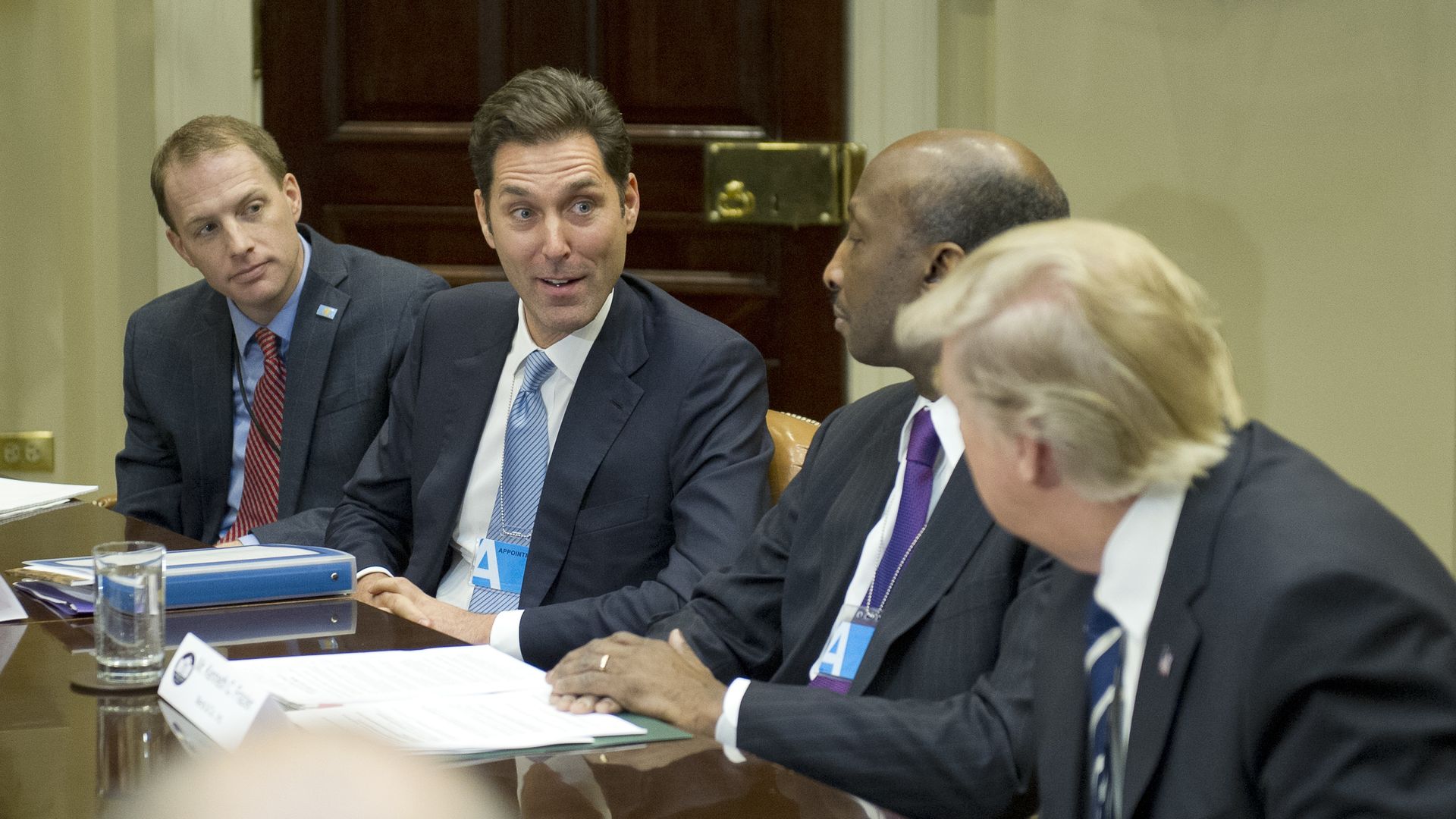
The head of the pharmaceutical industry's top trade group is stepping down from his role at the end of the year, the trade group confirmed to Axios.
Why it matters: Steve Ubl led PhRMA — one the nation's most powerful lobbyist groups — through a tumultuous decade in whichlowering prescription drug prices wasa top political priority for both parties.
Humira and Botox maker AbbVie is suing the Trump administration to get a clearer definition of who counts as an eligible patient in the government's discount drug program.
Why it matters: While it might seem like an arcane debate, drugmakers say an overly broad definition allows hospitals and other providers to bilk them for more discounted medications than they're due.
Health insurers say they've cut pre-treatment claim reviews by 11% in the past year after committing to streamlining requirements for patients and doctors.
Why it matters: The so-called prior authorizations help control health care spending, but they can discourage patients from getting treatment and add administrative burden for providers.
A leading Democratic think tank has started putting meat on the bones of a midterm health care affordability agenda, calling for policy shifts that its authors say would immediately lower costs.
Why it matters: There's a change in how Democrats are talking about health care, and it could spell big trouble for industry profits should they regain power any time soon.