Why it matters:Flu season normally doesn't really ramp up until December and peaks around January or February. But it appears the illness is kicking into high gear early and not slowing down.
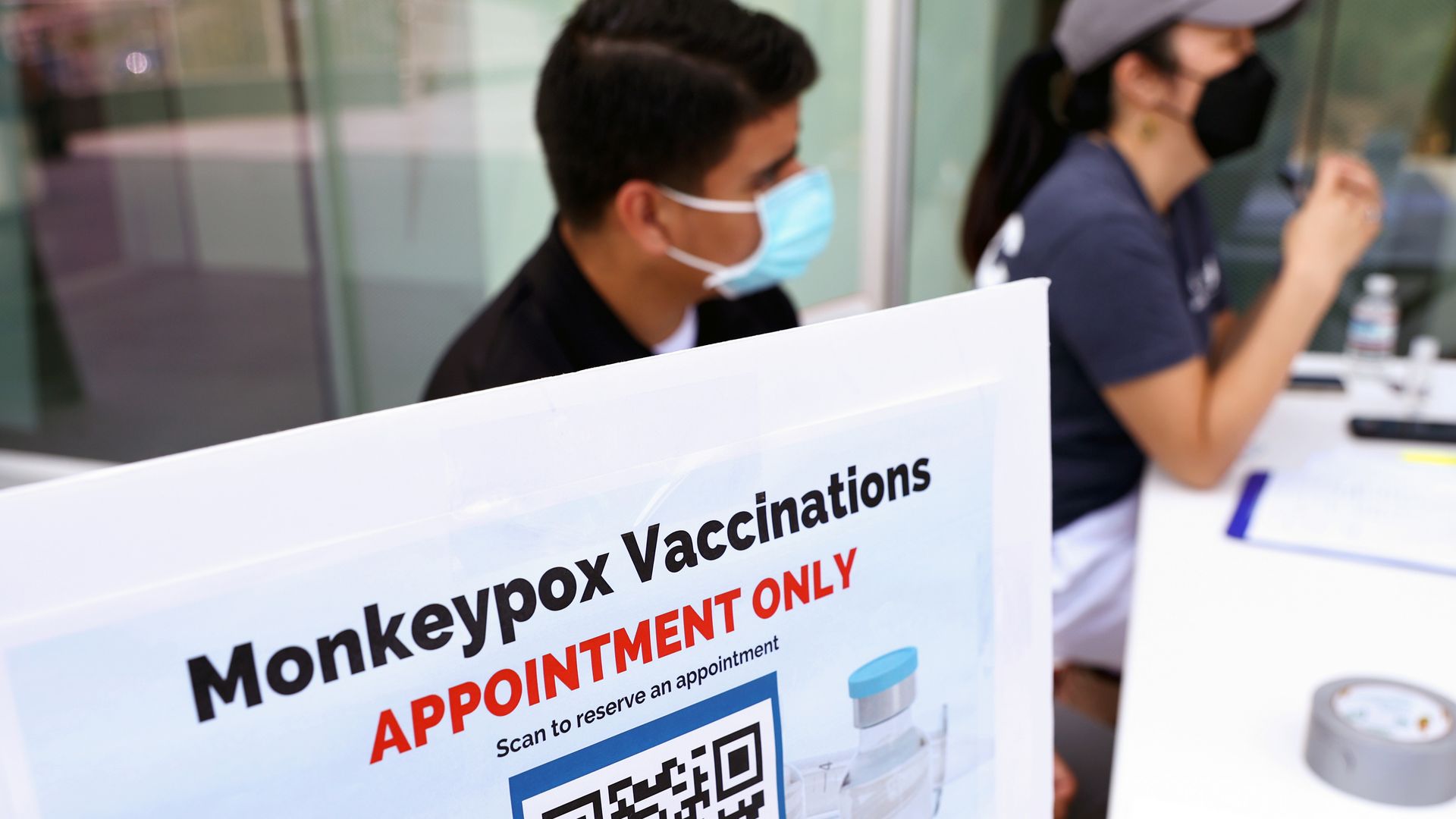
The Biden Administration plans to end the public health emergency for monkeypox, Axios has confirmed.
The big picture: The Department of Health and Human Services "does not expect to renew the emergency declaration," which is scheduled to end on Jan. 31, 2023, due to the low number of mpox cases in the U.S., according to a statement from HHS Secretary Xavier Becerra.
GHO Capital Partners' European footprint set it apart from other bidders vying for lab informatics playerSapio Sciences, the firm tells Axios.
Why it matters: Lab informatics needs a tech revamp, with most processes remaining paper-based as legacy systems continue to dominate the market. With GHO's backing to scale it, Sapio may emerge as a formidable player.
The stress of living through the pandemic physically changed adolescents' brains and prematurely aged them by at least three or four years, according to a Stanford University study.
Why it matters: While the behavioral effects of the pandemic are well-documented, data on youths' neurological development has been scarce.
The Food and Drug Administration is weighing a series of moves to make it easier for gay and bisexual men and other individuals to donate blood amid a nationwide blood shortage.
Driving the news: The FDA is considering easing blood donor screening restrictionsfor men who have sex with men that originated during the HIV/AIDS crisis in the 1980s.
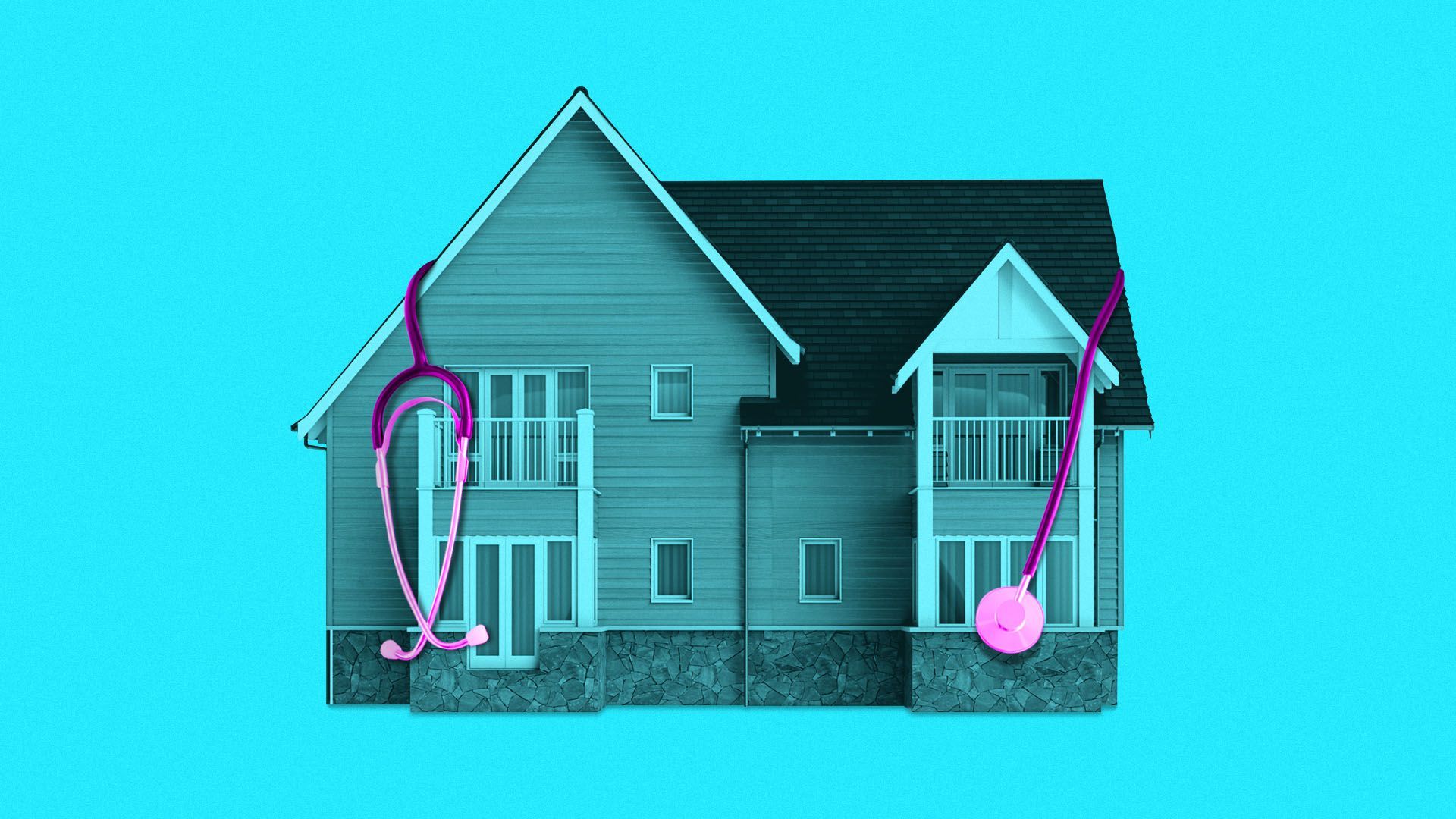
How healthy is that new home you're eyeing? The International WELL Building Institute (IWBI) is developing a new rating system to help answer that question.
Why it matters: Air and water quality, light levels, building materials and similar factors can have a big impact on home occupants' health.
A bipartisan bill to increase access to treatment for opioid addiction has a good chance of being rolled into a year-end package during the lame-duck session, congressional aides tell Axios.
Why it matters: Advocates point to federal data showing only one in 10 people with opioid use disorder receive medication for it.







/2022/12/02/1669940592493.gif?w=3840)