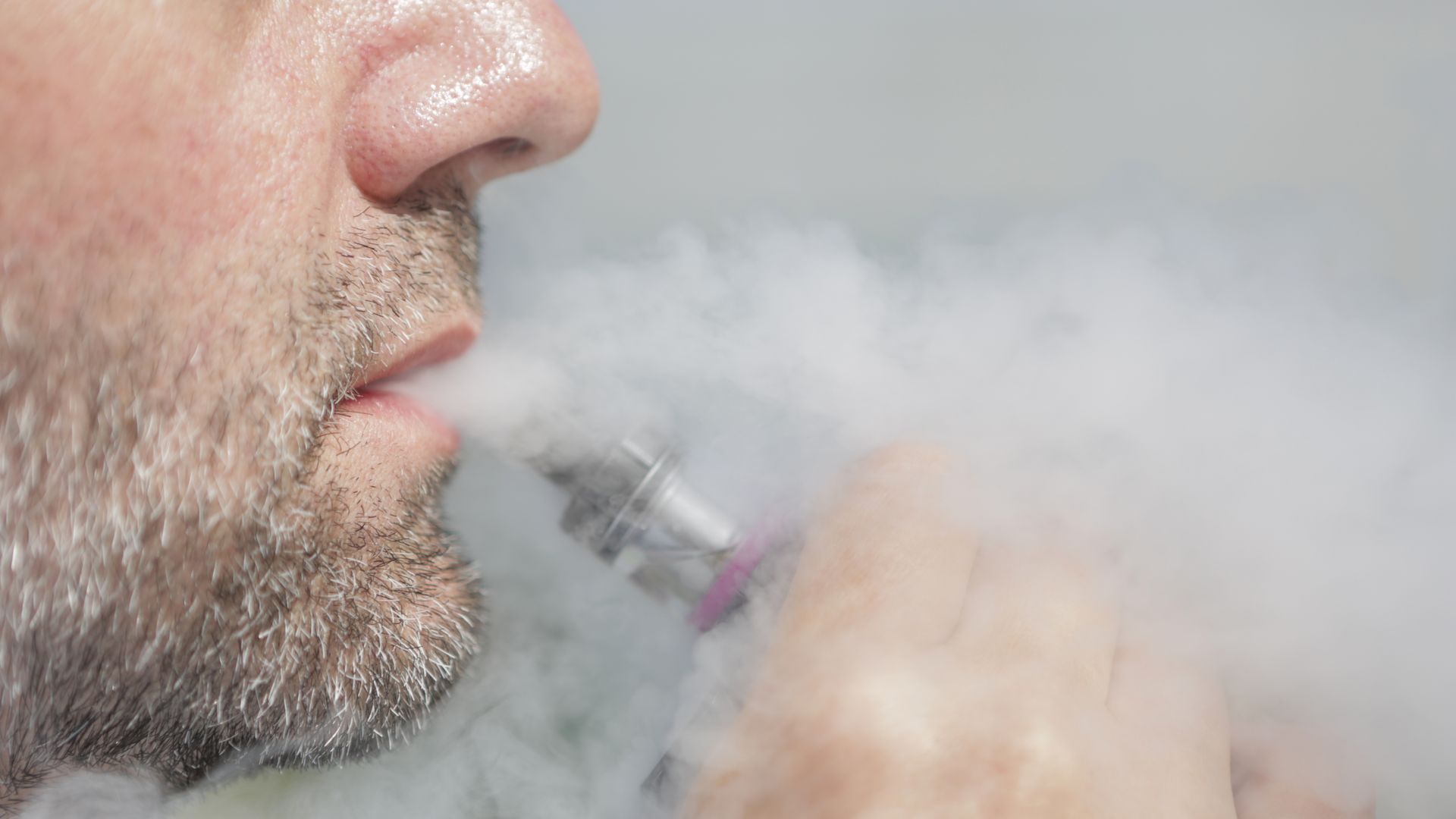
Michigan is set to become the first state to ban the sale of flavored e-cigarettes after the state's health department deemed youth vaping a public health emergency, reports the Washington Post.
The big picture, per Axios' Sam Baker: This first ban came fast, all things considered. And it’s notable that it’s not coming from California or New York, which are usually at the leading edge of banning things. That’s a clear sign that the next phase of vaping’s political troubles is just beginning.
Purdue Pharma, the maker of OxyContin, is preparing to file for bankruptcy by the end of September if it doesn't reach a settlement with the communities suing it over its role in the opioid epidemic, Reuters reports.
Why it matters: If Purdue claims bankruptcy without a payment agreement, the plaintiffs will likely receive less money than they would under the settlement Purdue pitched last month.
Low-income patients often face steeper out-of-pocket health care costs — and that means they're also more likely to be sued by hospitals when they can't pay their bills.
Driving the news: The New York Times yesterday reported on Carlsbad Medical Center's prolific use of lawsuits to collect its patients' medical debts, which often leads to wage garnishment or property liens.
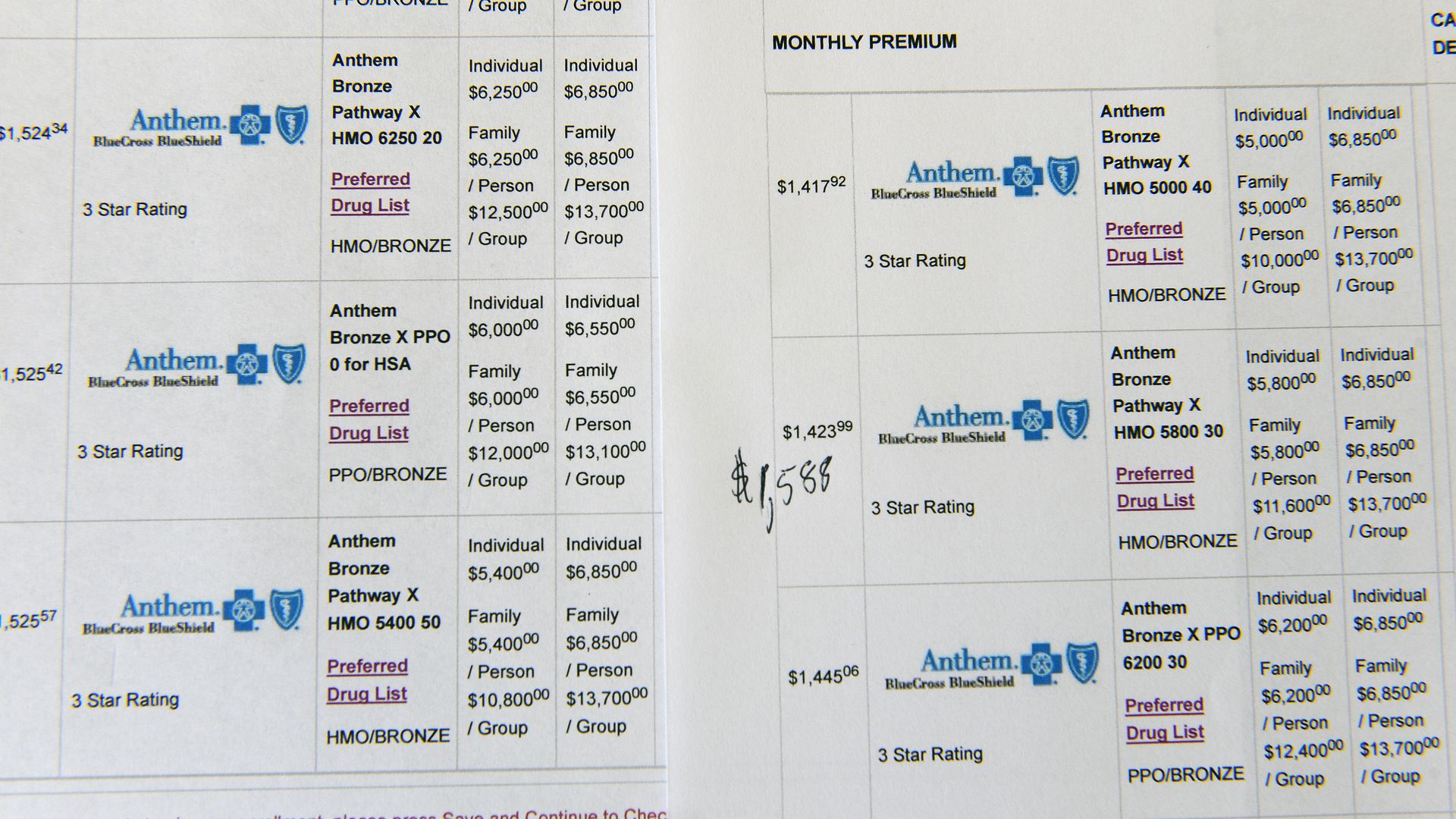
Health insurance companies will have to pay $15.5 billion next year if the Affordable Care Act's tax on insurers resumes as planned, the IRS said in a notice on Tuesday.
The big picture: Insurers hate the tax because it eats into profits, and companies pass along the costs to consumers through higher premiums. The industry has a few months left to persuade lawmakers to delay or kill the tax.
Most of vaping's negative headlines have been about the rise in teen vaping, but the recent lung illnesses around the country have raised broader questions about its health impact, the New York Times reports.
Why it matters: The rationale for e-cigarettes is that they're a healthier alternative to cigarettes. But while the health consequences of smoking cigarettes are well-documented, we don't yet know the long-term effect of vaporizing ingredients and then inhaling them.
The health insurance industry again is attacking federal proposals that would more aggressively audit Medicare Advantage claims for improper coding — audits that would save taxpayers upwards of $4.5 billion over the next decade.
The big picture: Medicare Advantage is the growth engine of the insurance industry, which has successfully delayed changes and neutered audits.