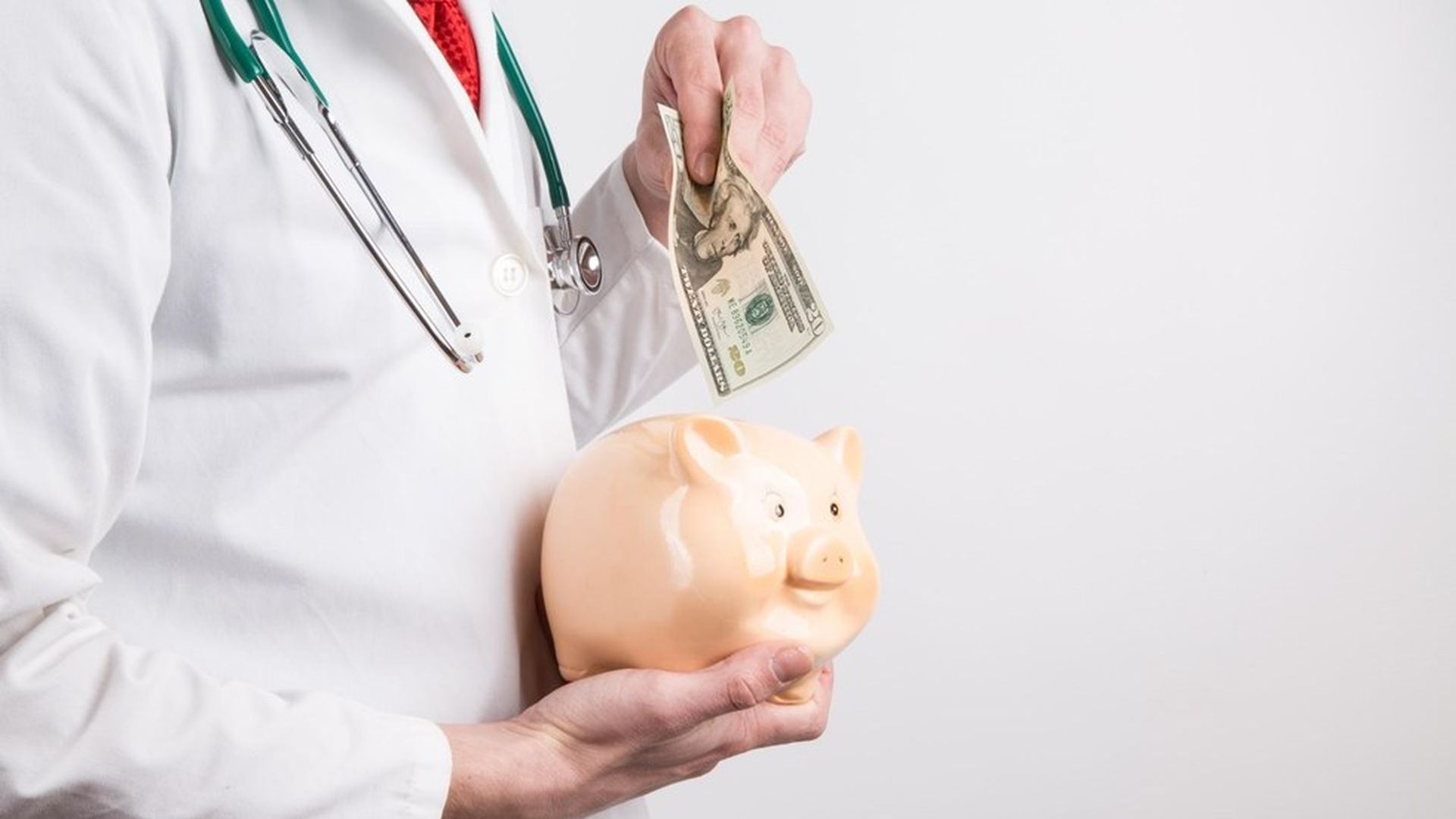
Republicans view health savings accounts — mechanisms for people to set aside untaxed money to pay for medical expenses — as a crucial part of pushing people to have "skin in the game" and pay for their own health care.
A plethora of HSA providers exist, many of which are run through banks or credit unions. UnitedHealth Group, the largest health insurer in the company, has its own HSA affiliate called Optum Bank. A glance at one of the biggest standalone HSA companies, HealthEquity, shows there's a lot of money to be made at running the relatively low-maintenance accounts.
Beleaguered drug company Valeant Pharmaceuticals has agreed to sell one of its subsidiaries, iNova Pharmaceuticals, to private-equity firms Pacific Equity Partners and The Carlyle Group for $930 million. The Australian-based iNova makes a slew of over-the-counter and prescription drugs.
Between the lines: Valeant is slimming down its drug operations, and this sale represents another attempt by CEO Joseph Papa to reduce the company's huge debt burden, which ballooned after the company acquired many other drug makers and controversially raised prices under ousted CEO Michael Pearson.
The Republican health care bill would slash Medicaid funding by $834 billion over the next decade, and hospitals have not taken kindly to that proposal. One hospital subgroup would be especially hurt by those cuts — children's hospitals.
Roughly half of the money a children's hospital collects, on average, comes from Medicaid. More than 30 million kids are on Medicaid, and another 6 million are on the Children's Health Insurance Program. Mark Wietecha, CEO of the Children's Hospital Association, has been pounding those messages to legislators on behalf of the country's 220 children's hospitals.
Wietecha spoke with me about the Republican bill (teaser: he believes it has nothing to do with health care anymore) and why the Medicaid cuts deserve more attention. Read on for an edited and condensed version of our conversation.