The Energy Department just closeda $162 million loan guarantee for LongPath Technologies to expand its methane monitoring in big oil- and gas-producing basins.
Why it matters: It's the first time DOE's loan office has supported greenhouse gas emissions tracking projects.
The Federal Aviation Administration on Tuesday issued long-awaited rules that will help pave the way for the commercialization of electric air taxis as soon as next year.
Why it matters: This new form of transportation, known as "advanced air mobility," represents the biggest innovation in aviation since the jet age and could revolutionize how people move within and between cities.
The Energy Department just announced 14 "clean" manufacturing projects it plans to stake in regions hit by closures of coal mines and coal-fired power plants.
Why it matters: Many of the projects use recycled materials and aim to shore up domestic supply chains, officials said.
IV fluids from as far away as China are being imported to the U.S. to alleviate nationwide shortages stemming from hurricane damage to a key manufacturing plant in North Carolina.
Why it matters: Hospitals now have 50% more IV fluid available to them than immediately after Hurricane Helene swamped Baxter International's North Cove manufacturing site in Marion, North Carolina, per the Health and Human Services Department. But health providers expect shortages to last weeks longer.
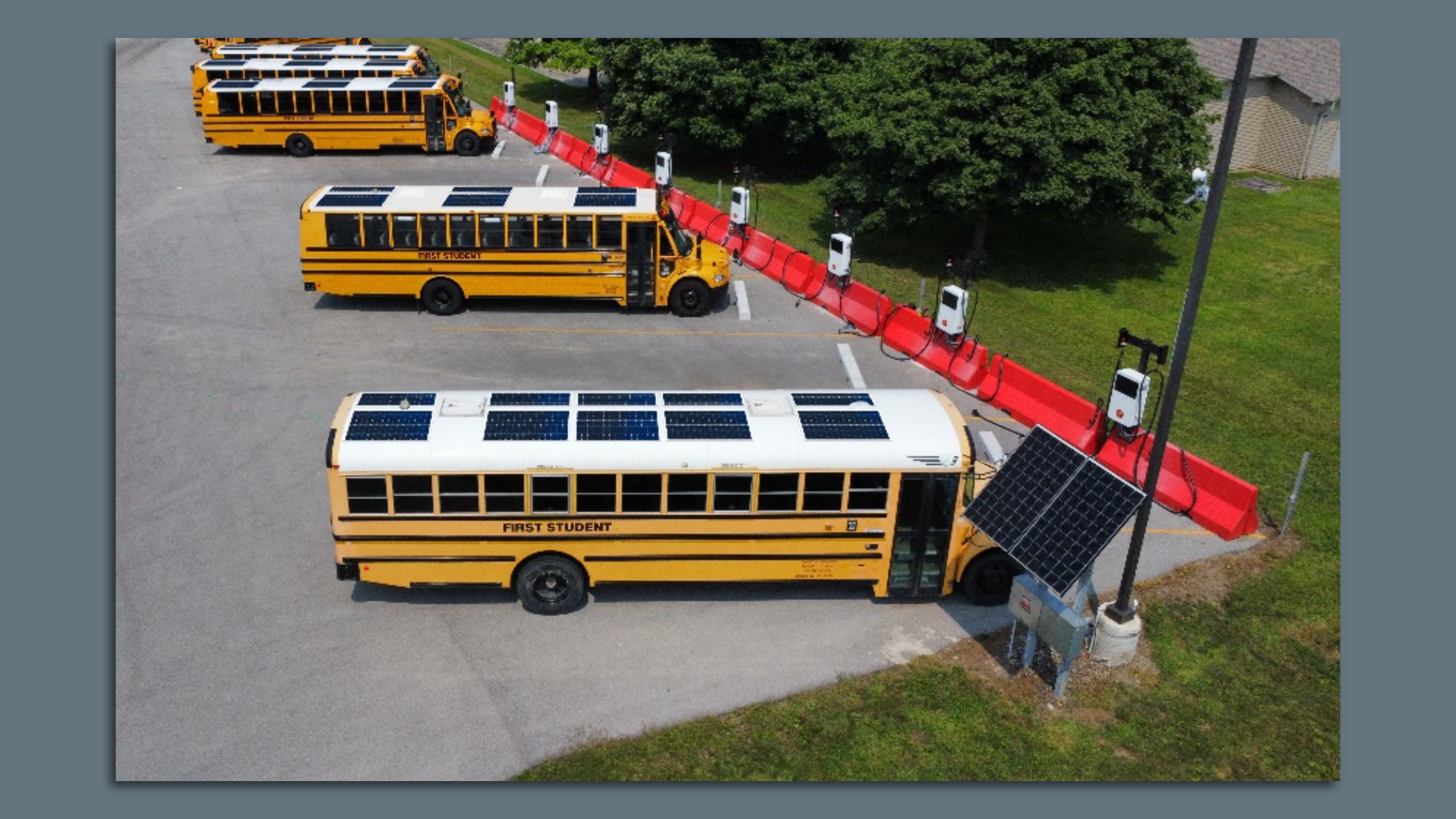
New York City's first solar-powered school buses will help to manage the city's growing demand for electricity by generating clean energy and sending it to the local grid during periods of peak demand.
Why it matters: By integrating solar buses into a smart energy hub, or microgrid, the project aims to show how electrification can work affordably even in urban areas like Brooklyn, where space is limited and demand for clean energy is high.