Oil companies have boosted clean energy investment, but it's unevenly spread in the industry and the sector should parlay big profits into more aggressive initiatives, the International Energy Agency said.
Why it matters: "High prices are generating an unprecedented windfall," IEA said in a new report.
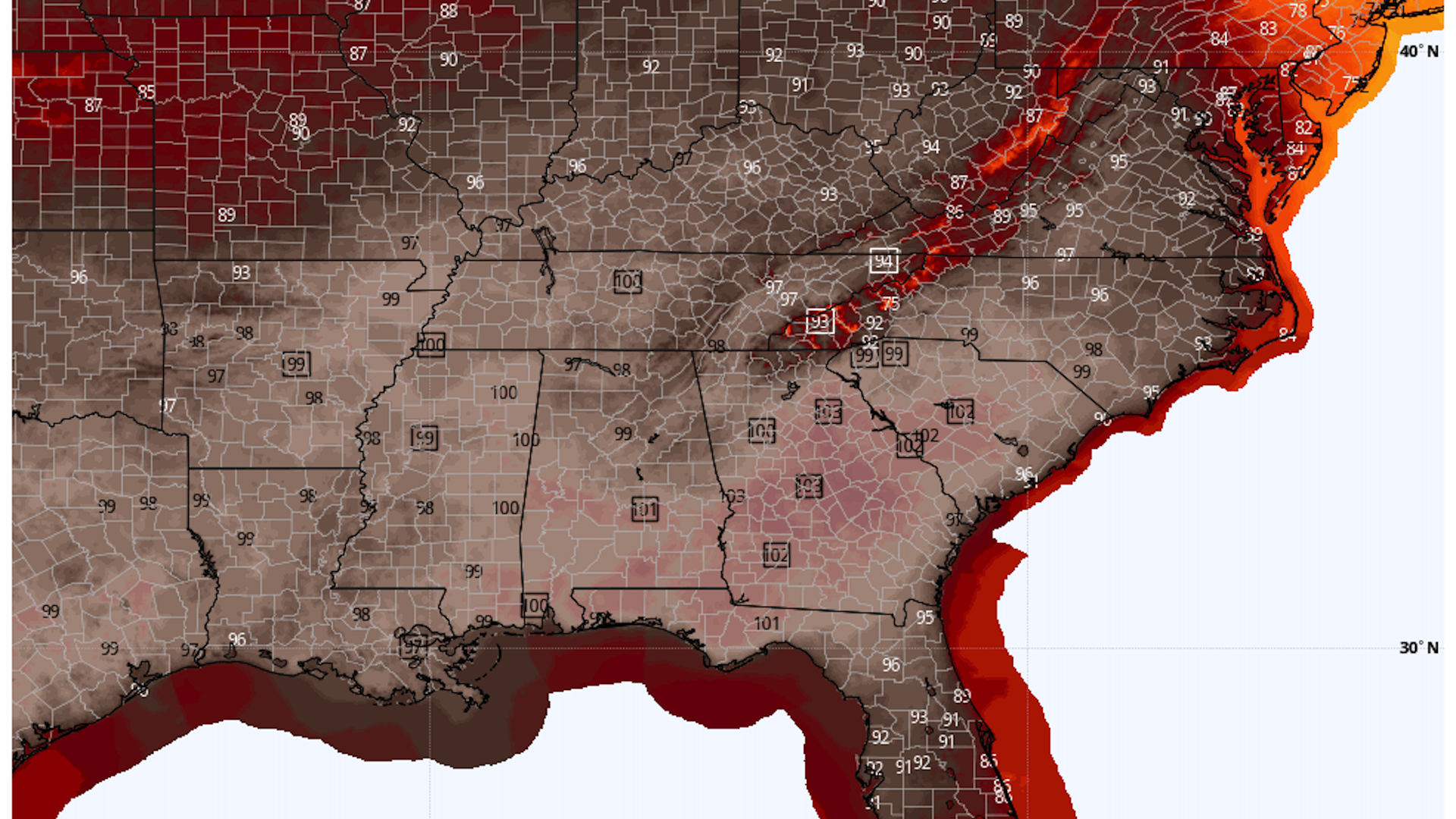
The heat wave that has blanketed a vast swath of the U.S. since early this month is now entering its third week, and it is intensifying in the Midwest before taking aim at the South and Southeast for the rest of the week.
The big picture: Combined with sultry levels of humidity at times, air temperatures in the low triple-digits will bring dangerous heat to cities including Nashville, Tennessee; Atlanta; Birmingham, Alabama; New Orleans; Houston and Dallas. Heat advisories were in effect for 42 million residents on Tuesday afternoon, from Michigan to New Orleans.
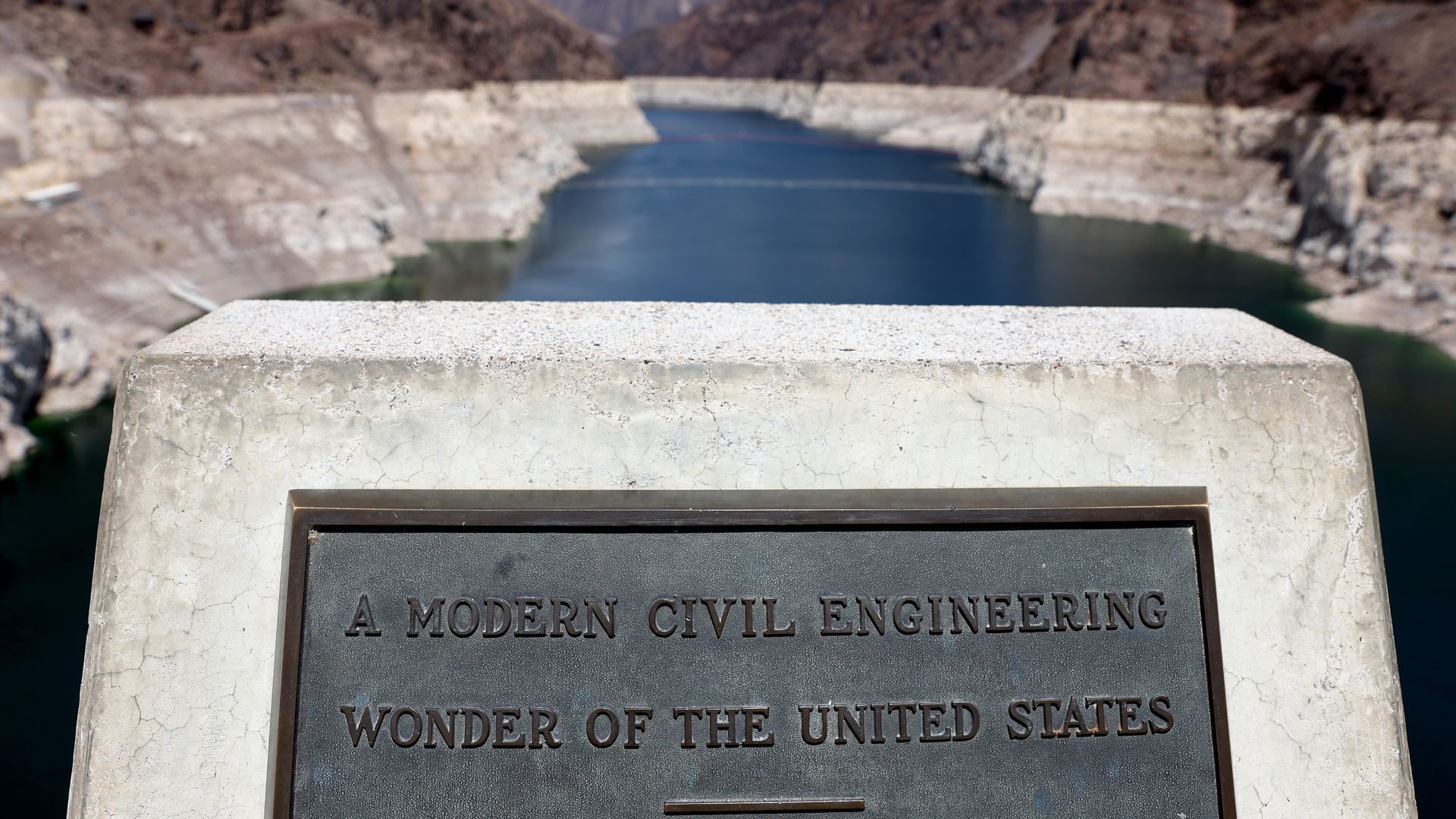
The Department of the Interior on Tuesday announced nearly $26 million in funds for water and energy efficiency grants in Western states. The grants, paid for under the Bipartisan Infrastructure Law, will go toward conserving local water supplies amid the severe drought in the West.
Why it matters: Most of the West is mired in drought conditions, particularly the Southwest, where a megadrought dating back more than two decades is the most severe such event in at least 1,200 years.
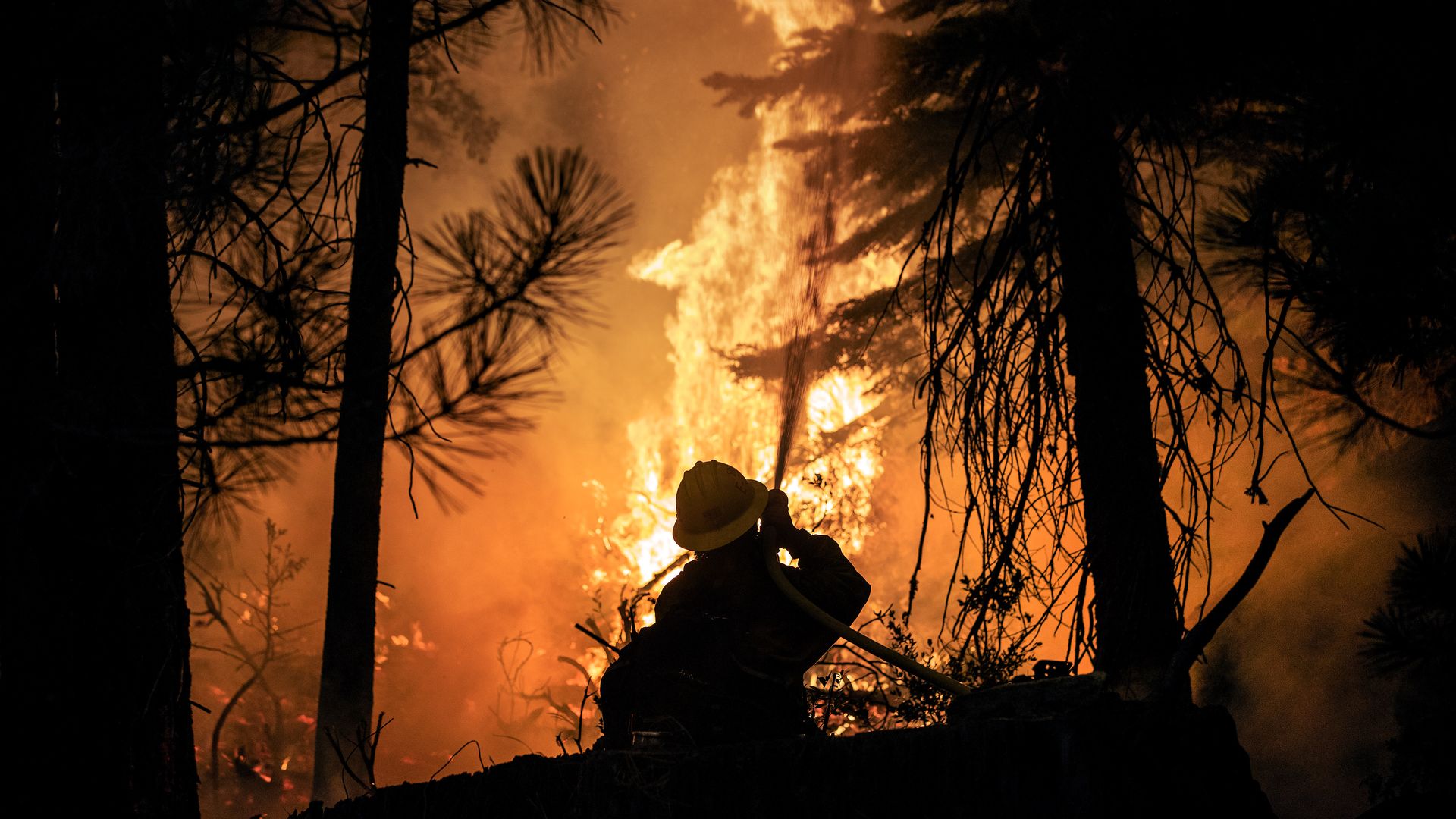
The Biden administration announced a new temporary pay raise for federal wildland firefighters Tuesday, significantly bumping their wages over the next two fiscal years.
Why it matters: The wage increase comes as the Forest Service is struggling to hire firefighters in parts of the country, especially Western states, amid an already abnormally active fire season.
Two extraordinary heat waves sent temperatures soaring into uncharted territory in Europe and the U.S. prior to the summer solstice, setting new benchmarks for the month of June in several European countries.
Why it matters: The early season extreme heat is a development meteorologists are calling "unsettling" and "unprecedented." These events are a clear warning sign of global warming's growing influence on day-to-day weather.