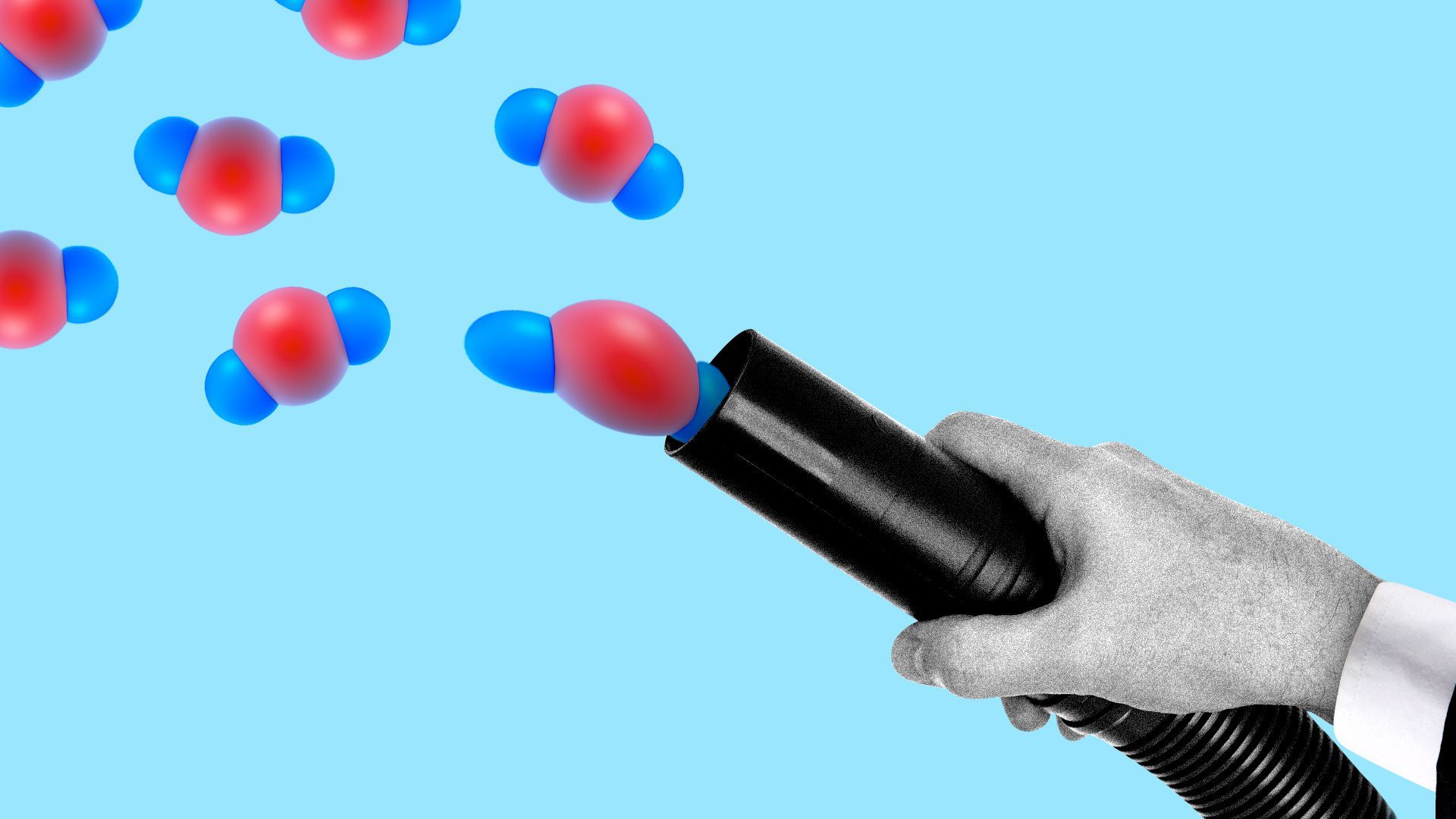
Investors are showeringlove on nascent tech that pulls carbon dioxide from the atmosphere, but the vibes aren't so rosy everywhere in climate circles.
Driving the news: The VC firm Lowercarbon Capital just launched a $350 million fund dedicated to carbon removal startups. They're casting a wide net, co-founder Chris Sacca writes.
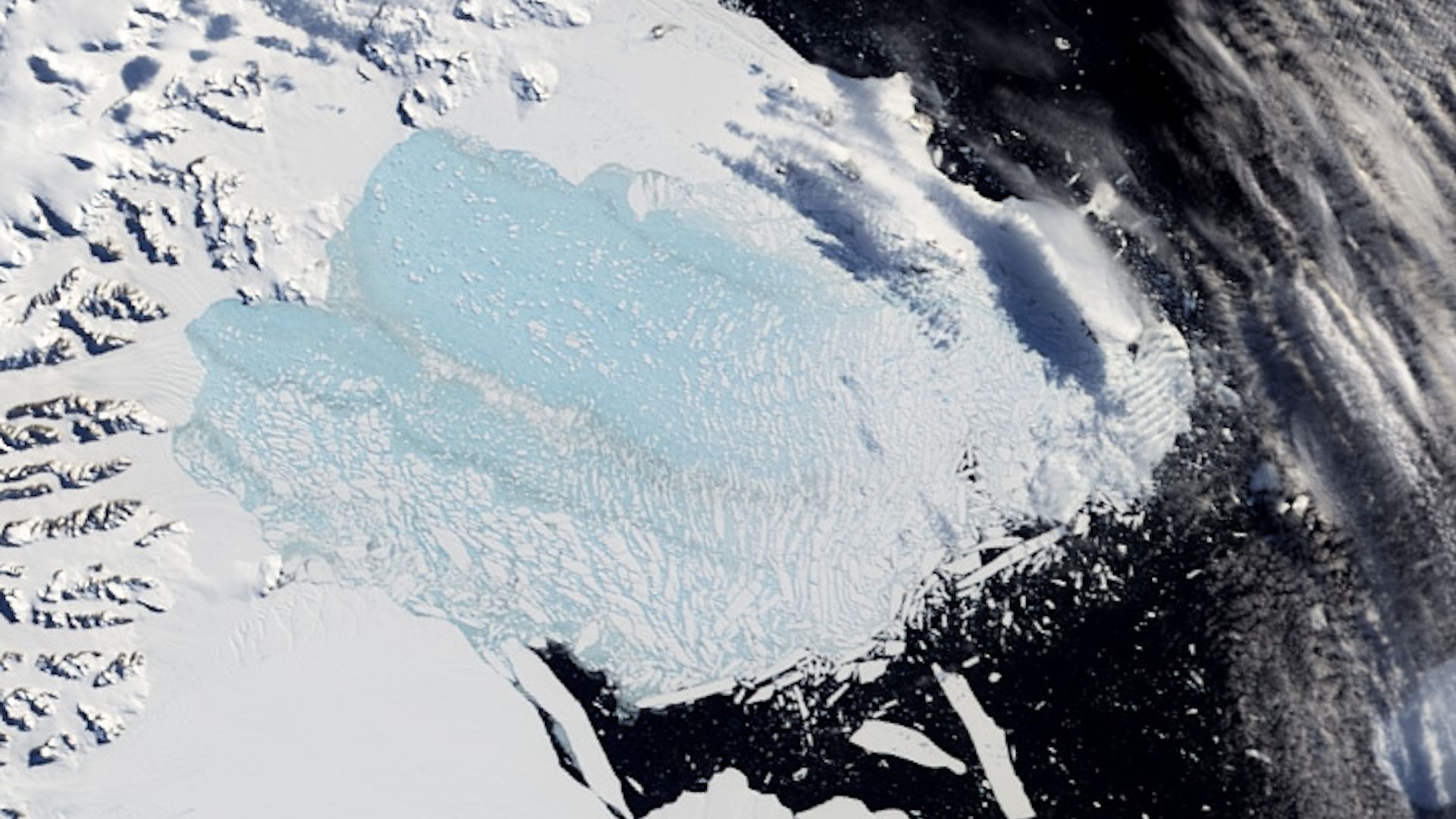
Narrow corridors of air loaded with moisture straight from the tropics may be driving a series of ice shelf collapses in the fastest-warming part of Antarctica, scientists have found.
Why it matters: Ice shelves act like doorstops, holding back the land-based ice behind them. When they are lost or weakened, inland ice can melt faster, raising sea levels worldwide.
A new group of more than 1,000 rapid response scientists from multiple disciplines — the International Science Reserves — announced its official activation on Wednesday, which it shared first with Axios.
In addition, wildfires are the first challenge ISR members are set to tackle.
After years of bleak projections, countries now have better than even odds of limiting global warming to at or below the Paris Agreement's 2°C temperature target, a new study finds.
Yes, but: This requires all national emissions reduction pledges to be fully met, which countries are not currently on course to do.
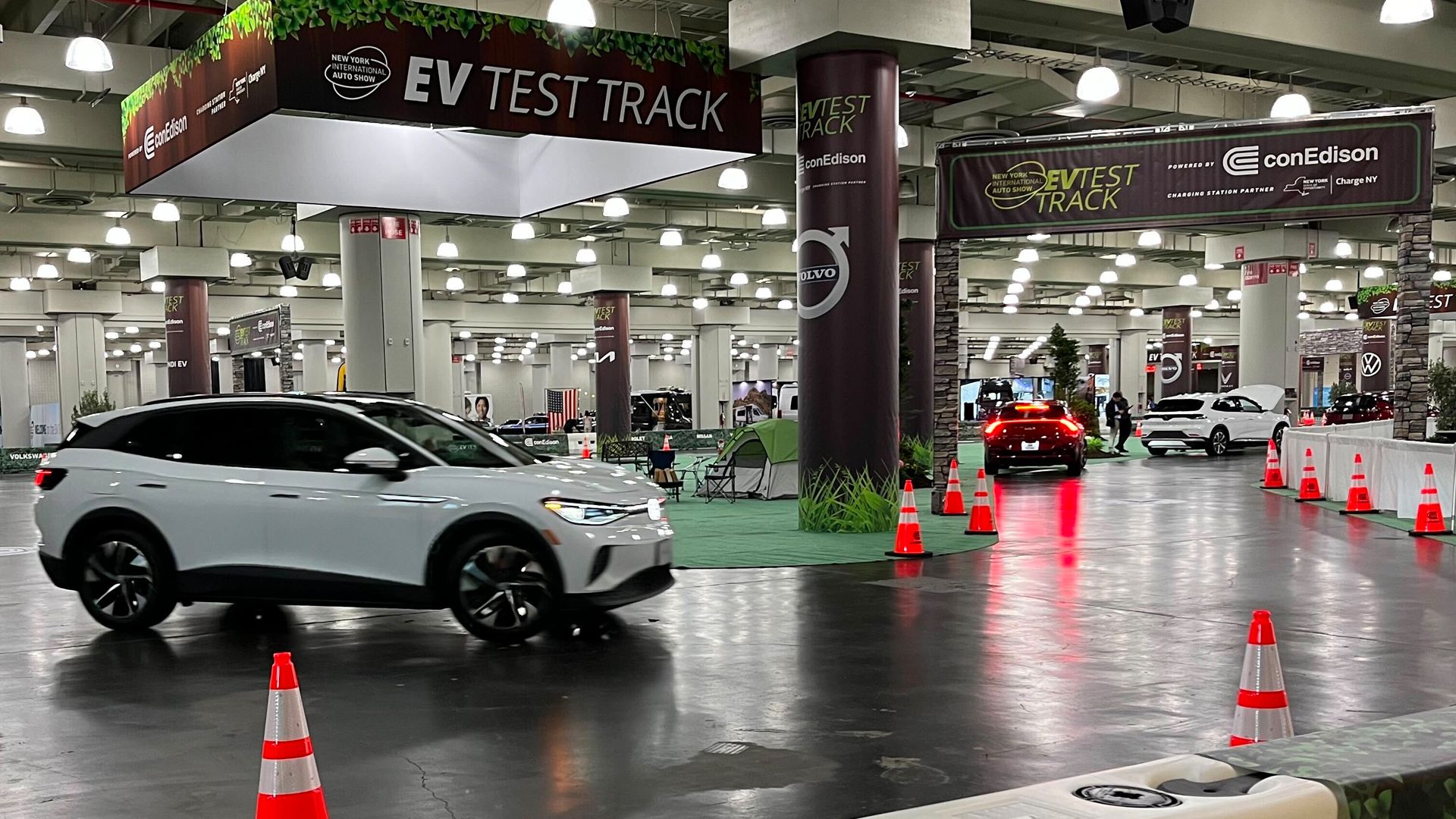
Auto shows are back after a two-year pandemic hiatus, but these days they're focused less on gleaming new models and more on educating consumers about the electric future.
Why it matters: Consumers face a steep learning curve when it comes to electric vehicles, and so far, carmakers and their dealers have done a lousy job explaining important issues like battery efficiency, driving range and charging.