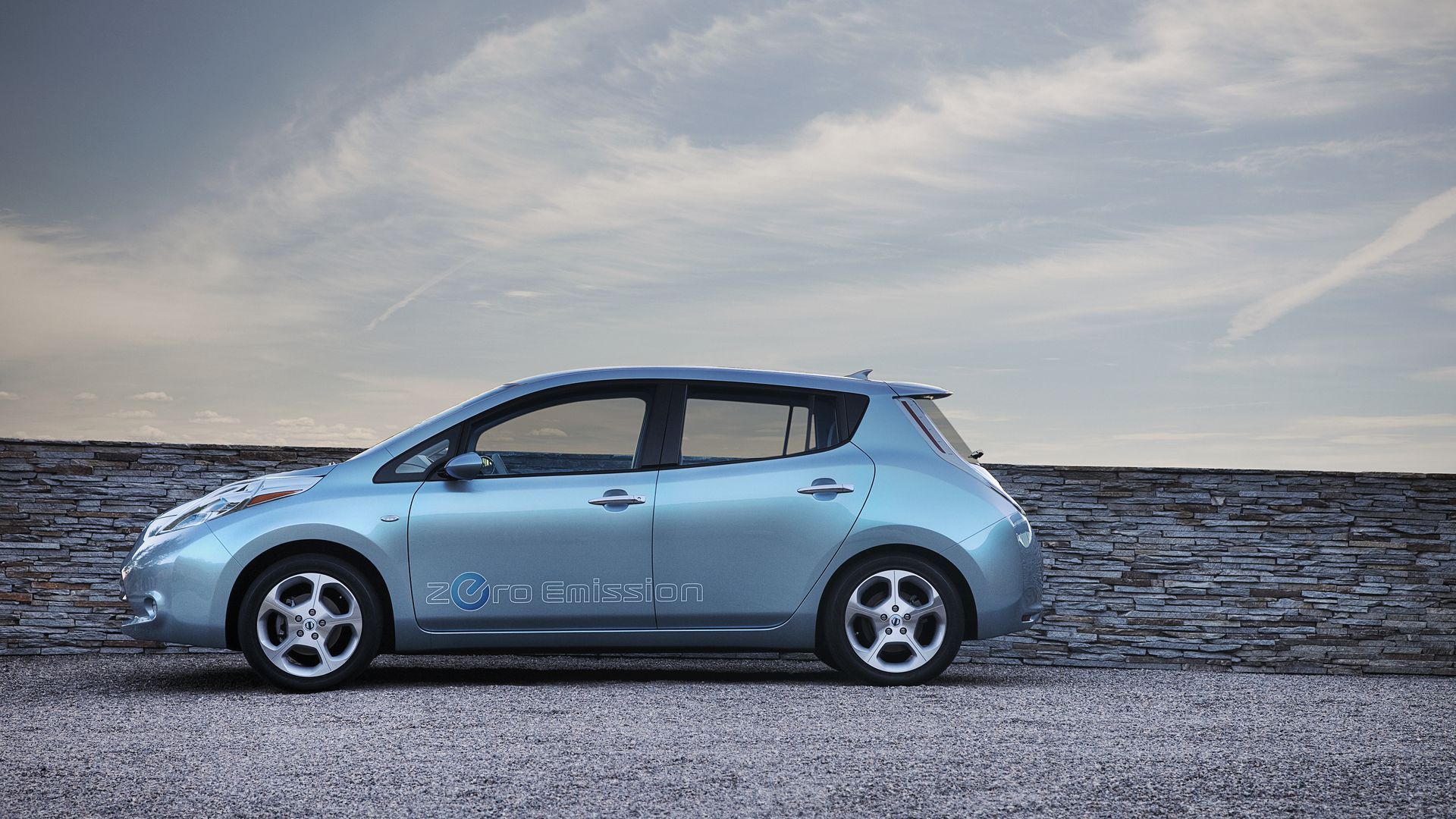
Gasoline-powered carsmay be going the way of the woolly mammoth, even if it will take decades to replace them and seems hard to fathom today.
The big picture: Internal combustion engines (ICEs) have powered automobiles for more than 100 years. But the shift to electric vehicles, slow to materialize at first, is now accelerating due to tightening government policies, falling costs and a societal reckoning about climate change.
Recurrent, a new Seattle-based startup, aims to answer the most commonly asked question by people considering a used electric vehicle: "How much battery life is left?"
Why it matters: You can get a decent idea of how long a traditional used car will last by knowing how many miles are on the odometer. But longevity in an electric vehicle is harder to predict and depends on many factors, including how and where the vehicle was driven and the battery's charging history.
If Democrats win the Senate and White House, ending the filibuster would lower the huge hurdles before climate legislation. But there could be other knock-on effects.
The intrigue: Big climate legislation would hardly be a guarantee, given resistance among Democrats from fossil fuel-producing states, according to a wide-ranging election look-ahead note from ClearView Energy Partners.
Why it matters: Risk in the industry is nothing new. But these are especially turbulent and uncertain times. The industry's market clout has waned, the future of demand is kind of a mystery, and future U.S. policy is too, just to name three.
A new insta-analysis of China's vow to achieve "carbon neutrality" before 2060 helps to underscore why Tuesday's announcement sent shockwaves through the climate and energy world.
Why it matters: Per the Climate Action Tracker, a research group, following through would lower projected global warming 0.2 to 0.3°C. That's a lot!
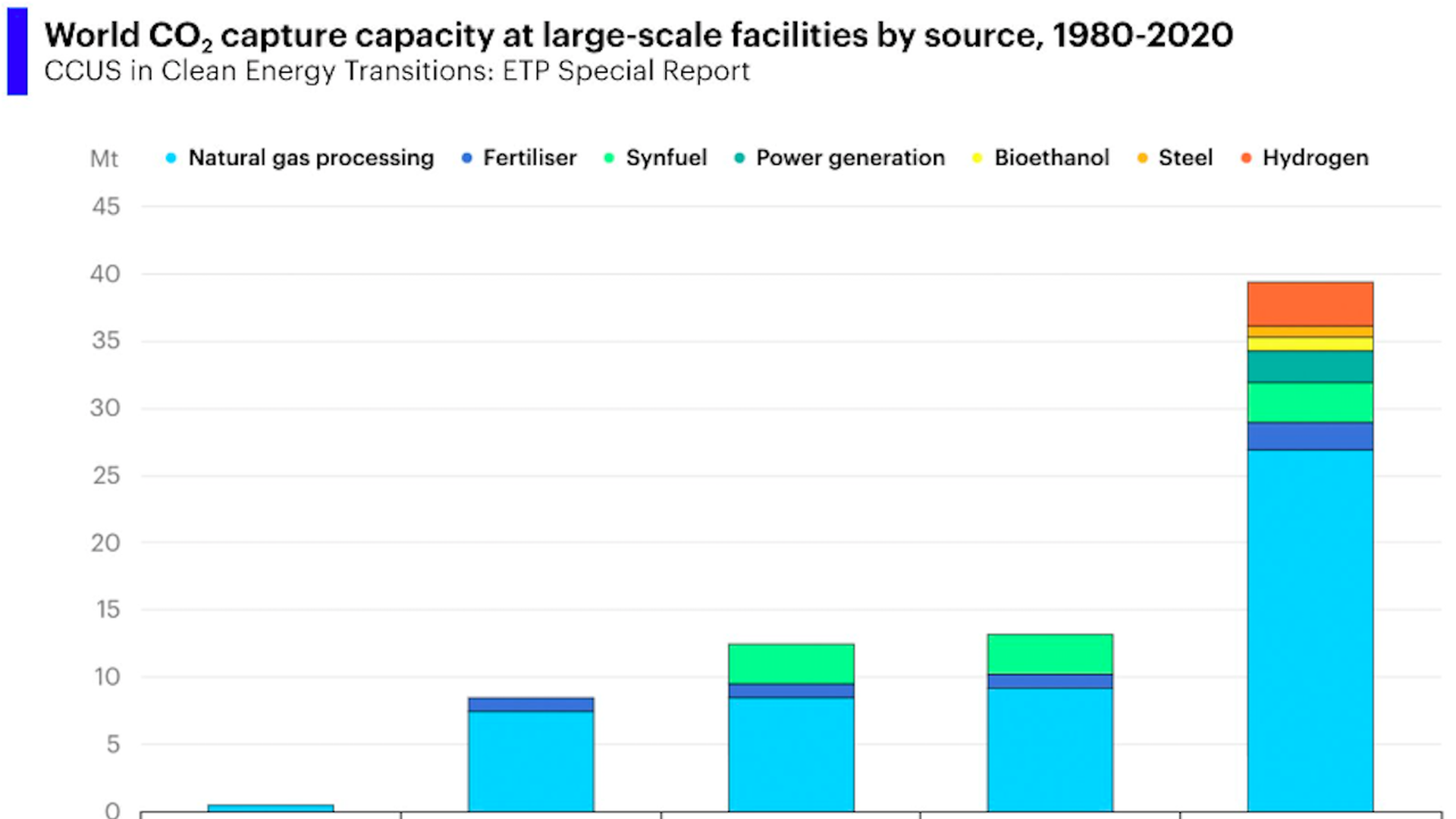
There's growing momentum behind deploying technology that traps and stores CO2 emissions, but much more investment and stronger policies are needed, the International Energy Agency said in a new report.
Why it matters: The technology is vital to enabling the radical emissions cuts needed through the 2050-2070 timeframe to keep temperature rise in check, the agency said.
The fate of California's aggressive moves to wring carbon emissions out of transportation could depend heavily on the election and the shape of the Supreme Court.
Why it matters: California is the country's largest auto market and transportation is the country's largest source of CO2.
A new survey of oil and gas executives offers data points that explain why U.S. oil production won't approach its record pre-pandemic level anytime soon — if ever.
Driving the news: The Dallas Fed's quarterly survey asked 108 companies the U.S. oil price that would really juice new drilling. As you can see from the chart above, it's well above $39.90 where it's at this morning.
Shares of little-known SPI Energy Co. jumped by as much as 4,000% on Wednesday, rising from around $1 to as high as $46.67.
What happened: SPI announced it was launching a unit to design and develop electric vehicles and charging solutions called EdisonFuture — a nod to electric vehicle companies Nikola and Tesla, which are both named after Nikola Tesla, a rival of Thomas Edison.