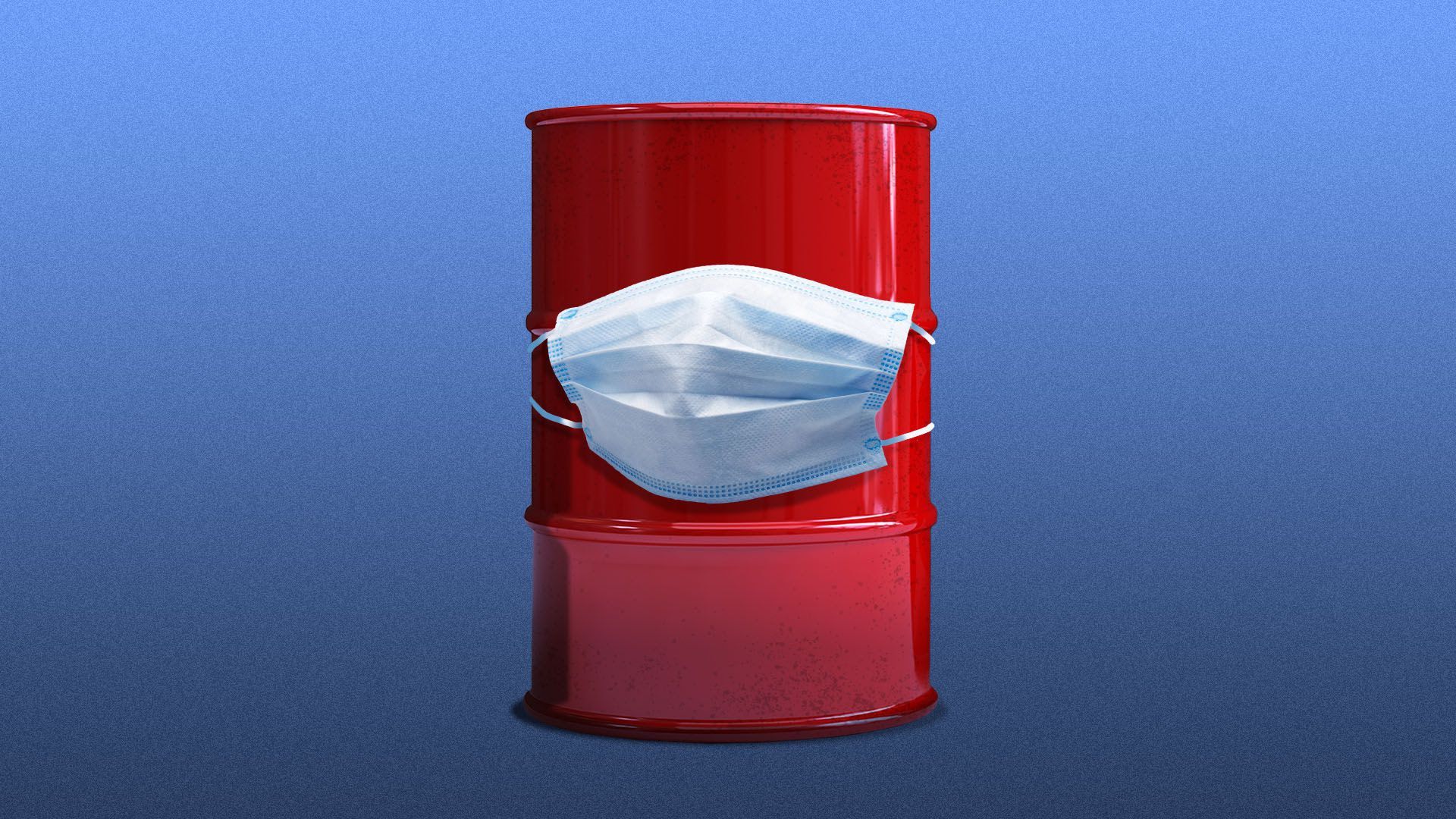
Analysts and oil industry officials are racing to keep up with how much oil consumption is falling as more countries and regions impose restrictions.
What's new: This morning Russell Hardy, CEO of oil trading giant Vitol, said he sees demand loss peaking at 15 million–20 million barrels day over the next few weeks. That's in the context of a roughly 100 million barrel per day market.
A new analysis from the data science company Descartes Labs helps provide a window onto how the global coronavirus pandemic is forcing dramatic changes to daily life and energy use.
Why it matters: From an oil standpoint, the huge cutbacks in travel and economic activity have caused global oil demand to crater by millions of barrels per day.
Equinor is the latest oil-and-gas giant to announce it will cut spending in response to coronavirus and the steep decline in oil prices.
Driving the news: The Norway-based multinational said Wednesday morning that its planned 2020 capital spending will now be around $8.5 billion this year, down from $10 billion to $11 billion.
Bill Gates said in a "TED Connects" interview Tuesday the coronaviruswill "delay the urgent innovation agenda that exists over in climate,” but not irrevocably.
Driving the news: "I have freed up a lot of time to work on climate," the billionaire philanthropist said. "I have to say for the last few months that’s now shifted and until we get out of this crisis, COVID-19 will dominate and some of the climate stuff, although it will still go on, it won’t get that same focus.”
The White House and Senate struck a deal on a roughly $2 trillion economic rescue package early Wednesday that lacks separate energy provisions sought by Republicans and Capitol Hill Democrats.
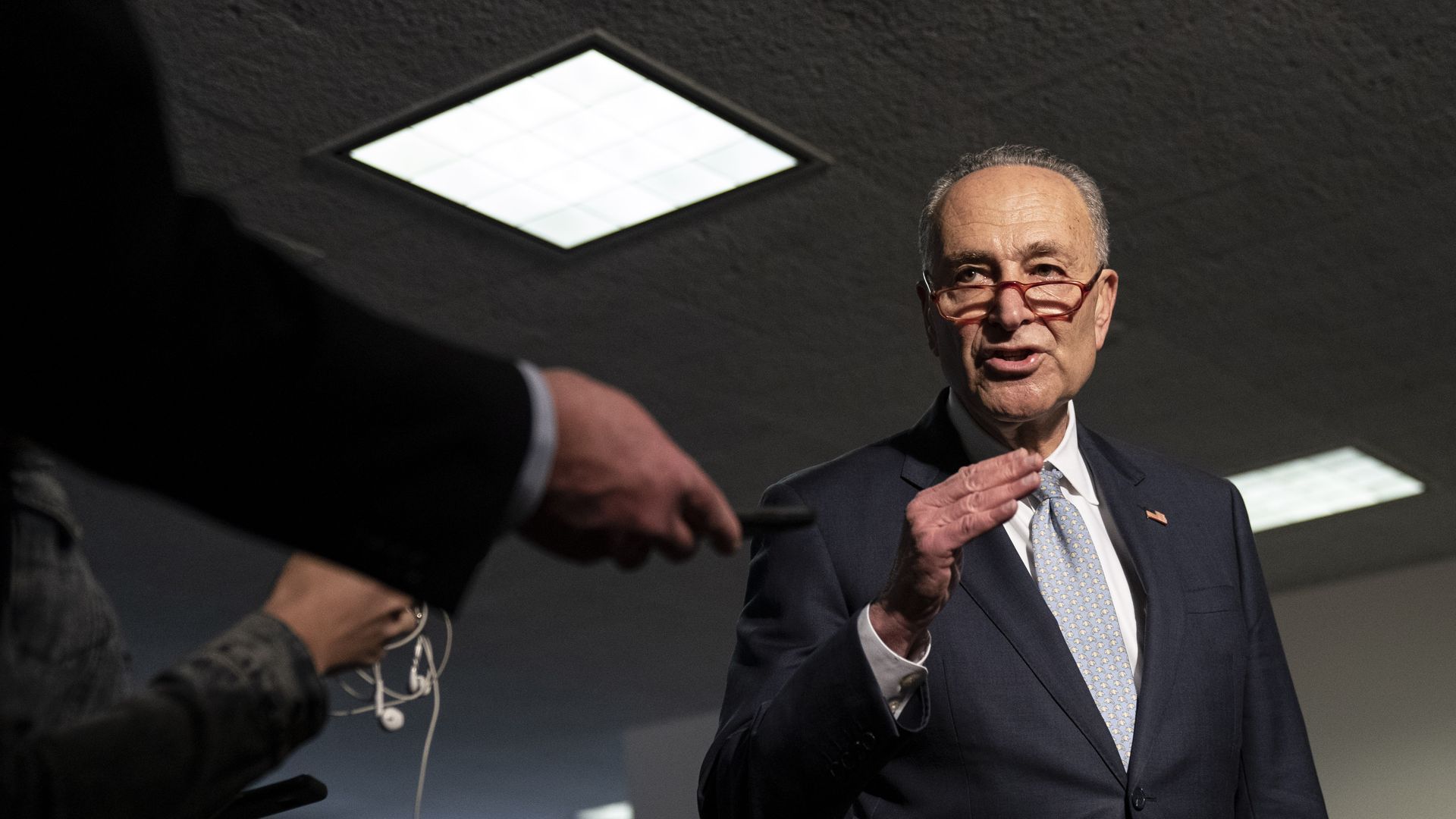
Driving the news: It omits $3 billion to buy roughly 77 million barrels of oil for the nation's Strategic Petroleum Reserve, a plan Democrats called a "bailout" for the oil industry, per Senate Democratic leader Chuck Schumer.
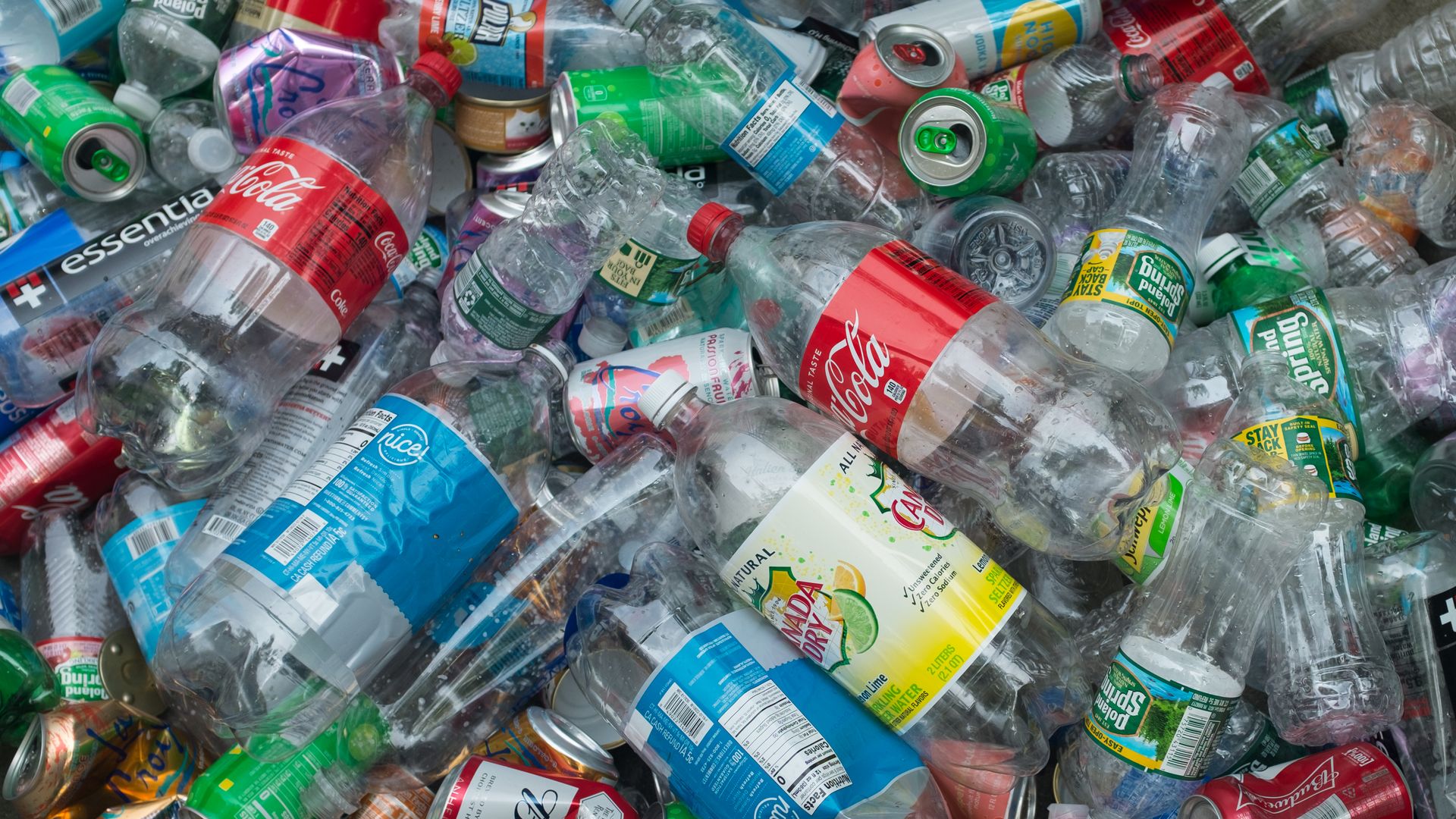
States, local governments and restaurants are starting to pause plans to curb single-use plastics as they try and control the coronavirus outbreak, per Argus Media and the Wall Street Journal.
Driving the news: "The delays are in response to concerns that reusable bags and containers carry more risk of spreading the virus than single-use items, which are designed to be used once and thrown away," Argus reports.
Analysis from U.K.-based clean energy think tank Ember shows lower power demand in Europe as countries impose new restrictions to stop the spread of the coronavirus.
By the numbers: "In Italy, although the week-on-week fall was 12%, there was already an 8% impact from the previous week, implying a total impact of 20% over the last 2 weeks," the post notes. Countries entered those weeks in different phases of their outbreak response.
The renewable power sector would not get sought-after aid in the COVID-19 economic plans before lawmakers on Capitol Hill, a setback for the industry warning of steep job losses and scuttled projects.
Driving the news: House Democrats' $2.5 trillion proposal unveiled last night omits what industry groups and some lawmakers wanted: an extension of deadlines to use tax credits and the ability to quickly monetize them. The provisions are also absent from the Senate's GOP-drafted "phase three" proposal.
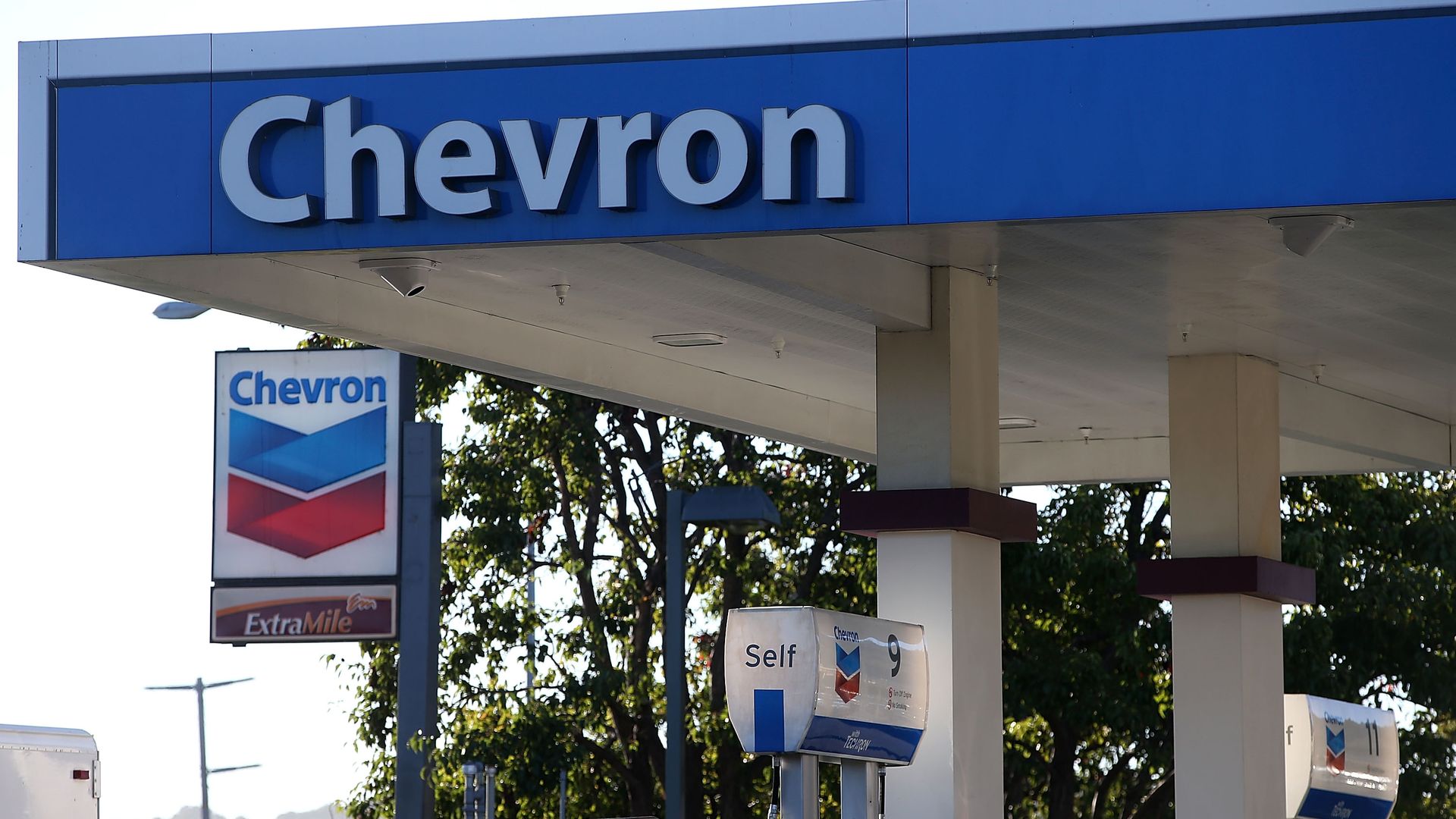
Chevron this morning said it's slashing its planned 2020 capital spending by $4 billion — roughly 20% — and suspending share buybacks, making it the latest multinational giant to announce cutbacks as global oil demand craters.
The state of play: Chevron, the second-largest U.S.-based oil company, said around $2 billion of the cuts would be focused on shale, largely in the Permian Basin region.