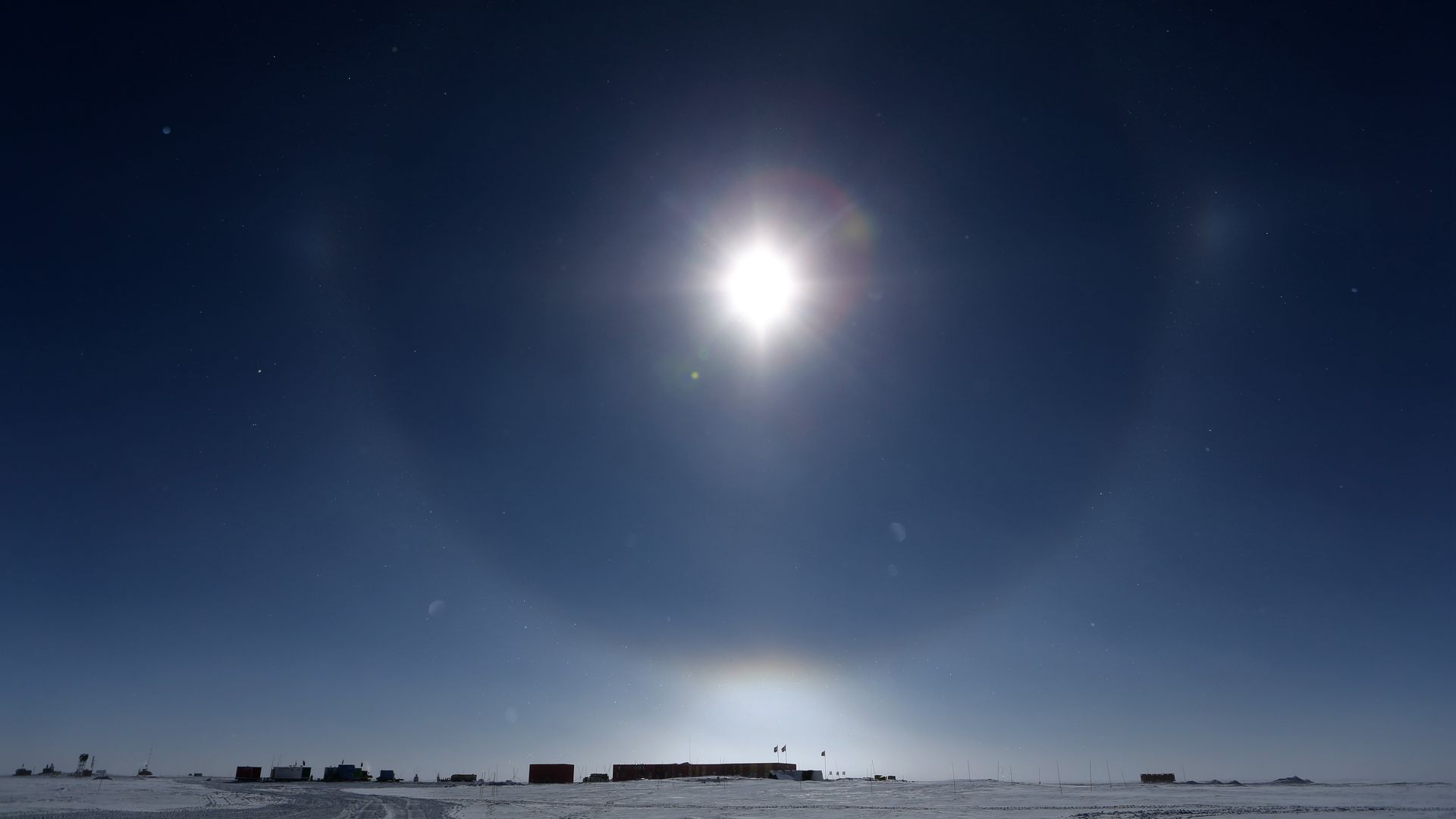
Argentina's Esperanza Base on Antarctica's Trinity Peninsula reached 65°F (18.3°C) on Thursday, notching the continent's warmest temperature in recorded history, per the World Meteorological Organization.
Why it matters: Antarctica is one of the globe's fastest-warming regions with temperatures rising 5°F (2.8°C) in the past 50 years, spurring the retreat of 87% of the glaciers along the Antarctic peninsula's west coast, the Washington Post reports.
A recently formed bipartisan Senate group that's working on climate change is adding new members.
Driving the news: The Climate Solutions Caucus said yesterday that Republicans Marco Rubio and Susan Collins are joining, and so are Democrats Debbie Stabenow and Tammy Baldwin.
A new Energy Information Administration report shows that while late last year the U.S. became a consistent net exporter of petroleum (that is, crude oil and refined products combined), regions outside the Gulf Coast remain importers.
Why it matters: While it's not discussed in the EIA analysis, President Trump boasted in this week's State of the Union that the U.S. is "now energy independent."
It's hard to get one's head around all the ways that coronavirus is affecting oil markets, energy-related industries and even carbon emissions.
Why it matters: The tragic outbreak underscores that when it comes to energy, China is the straw the stirs the drink as the world's largest oil-and-gas importer, largest auto market and largest carbon emitter.
Several climate models from top institutions around the globe are suddenly predicting the world will warm by 5°C (9°F) by 2100, a possible "nightmare scenario," and scientists aren't sure why, Bloomberg reports.
Why it matters: The 2015 Paris climate agreement set an agreed threshold to attempt to limit warming below 1.5°C (2.7°F). Should these newest projections turn out to be accurate, the Paris agreement's goals would already be well out of reach.