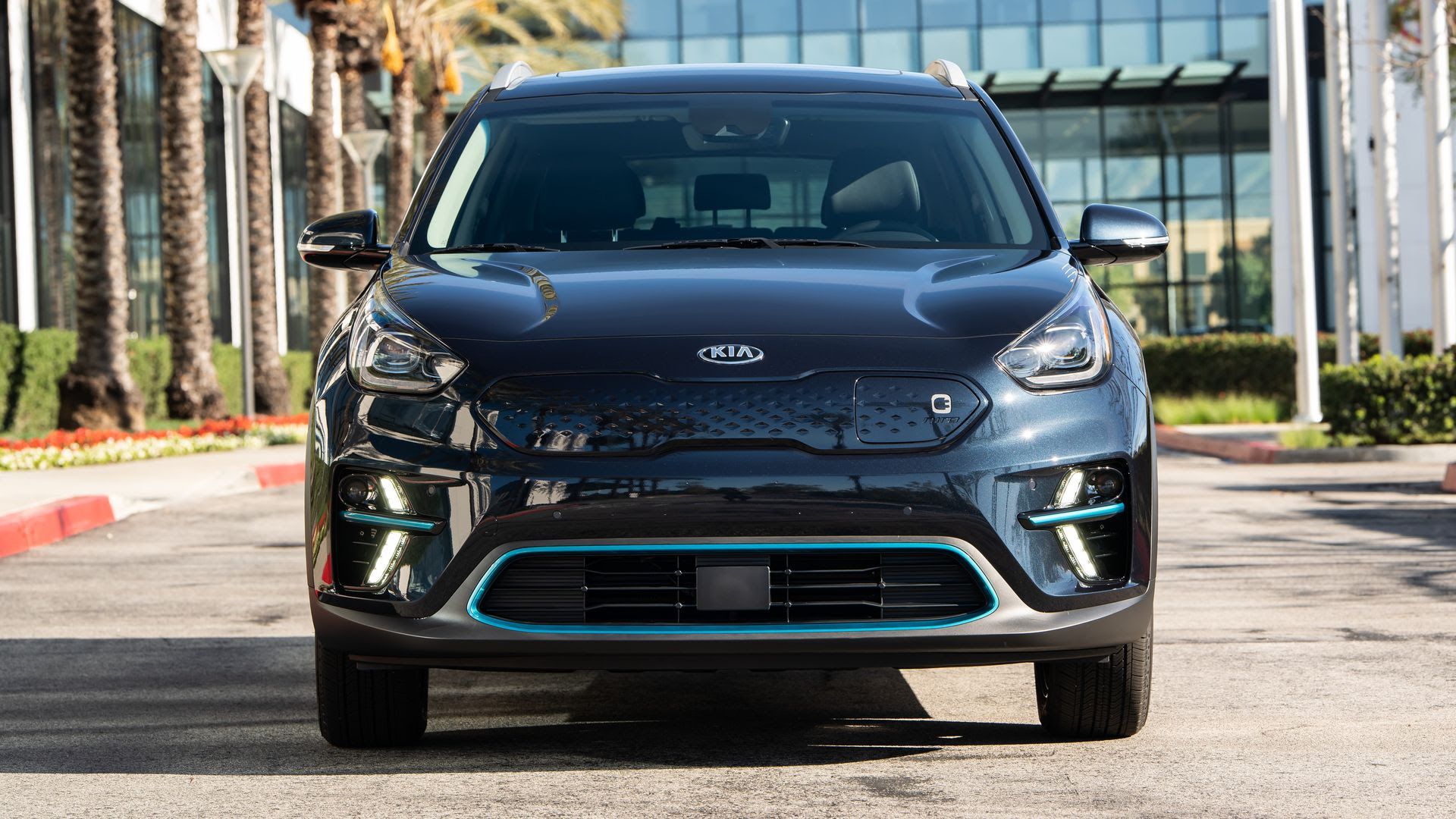
This week I'm driving the 2019 Kia Niro EV, a battery-powered compact with a 239-mile driving range.
The bottom line: As with most Kia brand vehicles, the Niro packs in a lot of features ordinarily found in more expensive cars. The sticker price on my tester, outfitted with the top-of-the-line EX Premium trim plus a $1,080 cold-weather package and $1,000 worth of other extra goodies, is $47,155 before a $7,500 federal tax incentive for EVs.
The U.S. is now exporting crude oil to a record number of 31 countries, according to newly released data from the U.S. Energy Information Administration.
Where it stands: U.S. oil exports are going all over the world, ranging from oil-rich United Arab Emirates to Australia, reaching 2.9 million barrels a day from essentially zero in 2015 before Congress lifted a 40-year-old ban on exporting crude oil.
Oil and natural gas companies are staring down the barrel of a slowing economy, President Trump's on-again-off-again Chinese trade war, persistently low oil prices that plunged yesterday, and even lower natural gas prices.
Where it stands: Big Oil's second-quarter earnings are mixed this week. European majors Total, Eni and Shell reported large drops in profits while BP "bucked the trend." On this side of the Atlantic, ExxonMobil faced a 21% drop in quarterly profit while Chevron saw a 26.3% rise in its quarterly profits, per Reuters.
Crude oil also was hit hard by the tariff news, with oil prices suffering their worst trading day in 4 years, falling by 8%.
Between the lines: The tariff announcement could not have come at a worse time for the oil market, which was already primed for losses after the Fed's rate cut decision Wednesday. A weak dollar strengthens oil prices, which are measured in dollars.
Electric scooters are often worse for climate change when compared to the transportation methods they’re displacing, according to what is likely the first-ever peer-reviewed study on the new trend.
Why it matters: E-scooter use is skyrocketing in the United States and around the world. To the extent this trend continues and actions aren’t taken to offset the impact, a seemingly green mode of transport will only add to the herculean task of combating climate change.
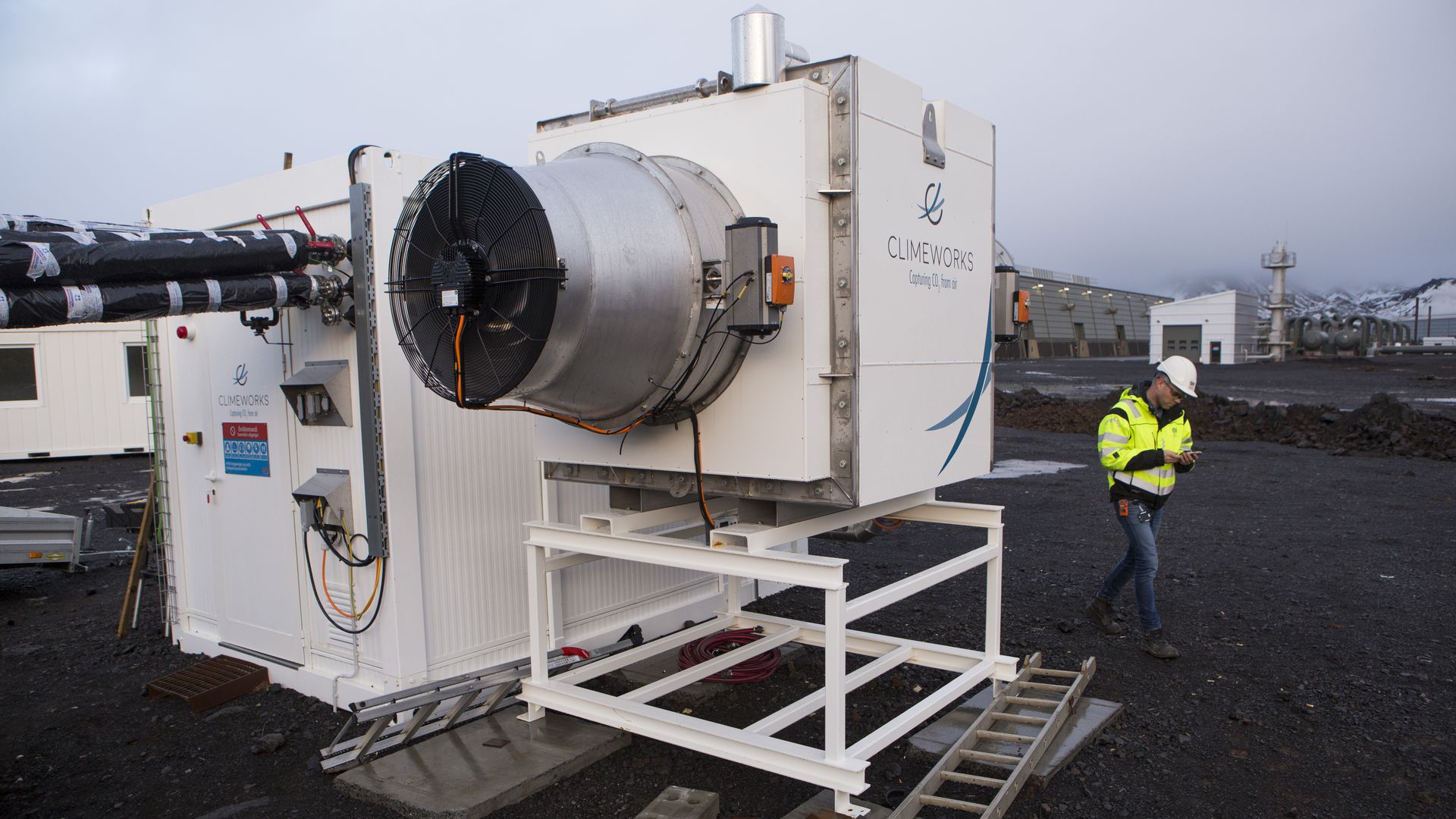
As the risks of climate change mount, the U.S. continues to lag behind other parts of the world, especially Europe, in funding R&D for carbon management and other innovative technologies.
The big picture: Government leadership could help fund early-stage research and spur private sector investment in a potentially $1 trillion market. Congress is aiming to advance this goal through several new bills — including the Senate's EFFECT Act, which would establish a Department of Energy program to use carbon dioxide as a resource for profitable products.