A slew of semiconductor startups are gaining traction in the automotive industry, some of which even have funding from automakers and suppliers — a development that signals a major shift in this space.
The big picture: Startups hoping to enter the automotive chip market used to encounter skeptical manufacturers and an industry that frowned upon cash-poor startups. But demand for innovation in connectivity, sensor technology and processing capability has opened the field up for them.
Top executives of Big Oil and investment companies ended a meeting Friday with Pope Francis by signing a joint statement supporting carbon pricing and transparent investments, according to the Vatican.
Driving the news: The shared statements signal a successful outcome for organizers, which included the Vatican and the University of Notre Dame, after last year’s initial meeting convened by Francis ended with no official, shared statement.
The impact: The study found that if the Pentagon, which oversees the U.S. military, were a nation, its emissions would rank it as the world's 55th largest contributor of greenhouse gases. The department has been responsible for some 80% of all U.S. government energy consumption since 2001.
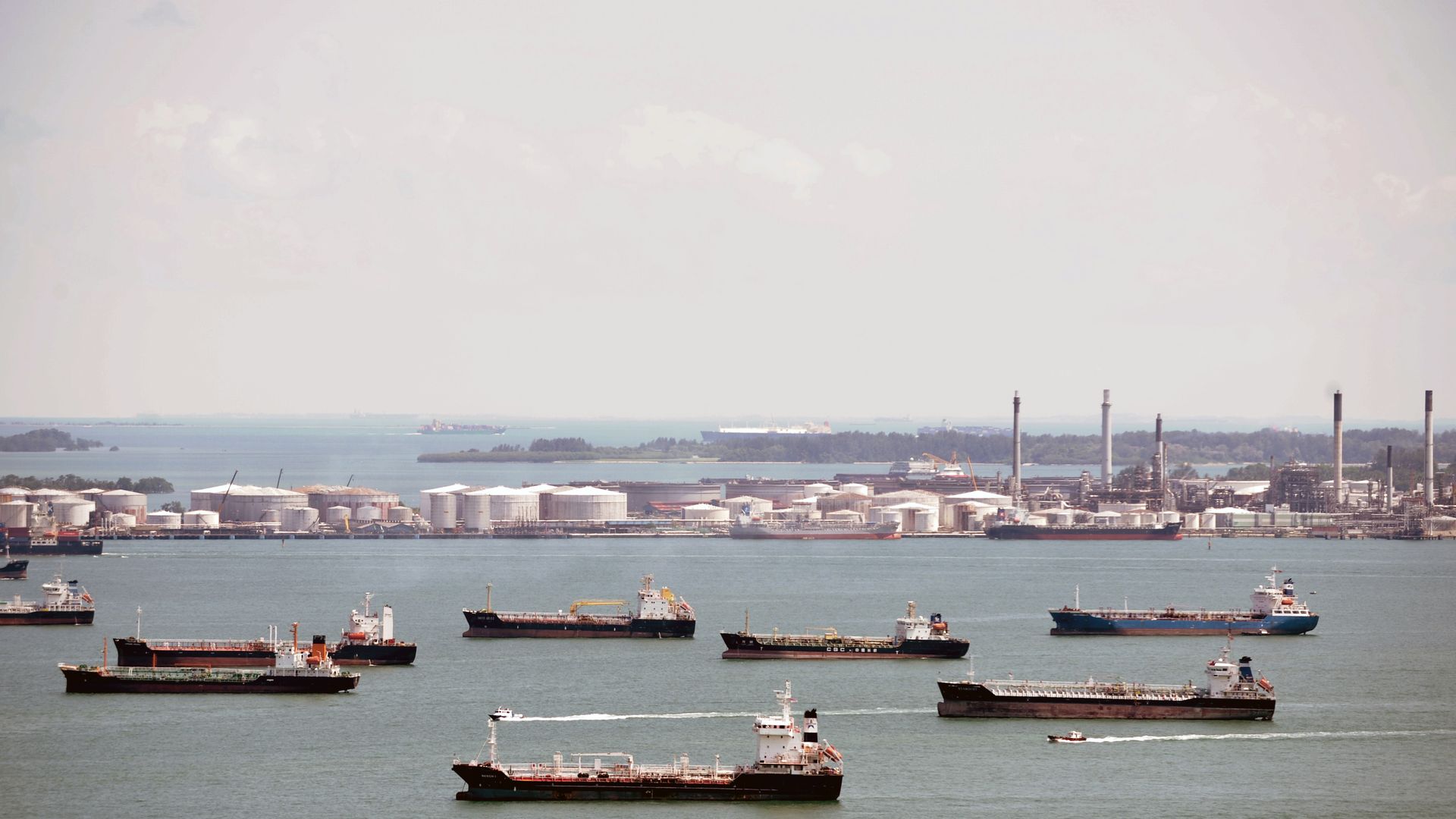
Singapore has for decades been a premier refinery hub and gatekeeper between Asia and the Middle East, but its position is increasingly threatened as more Gulf nations expand their processing capacity and petrochemical production.
Why it matters: Oil and petrochemicals drive about one quarter of Singapore's net exports. Greater competition in the global oil and gas value chain could take a heavy toll on the city-state’s national budget and economic growth prospects.
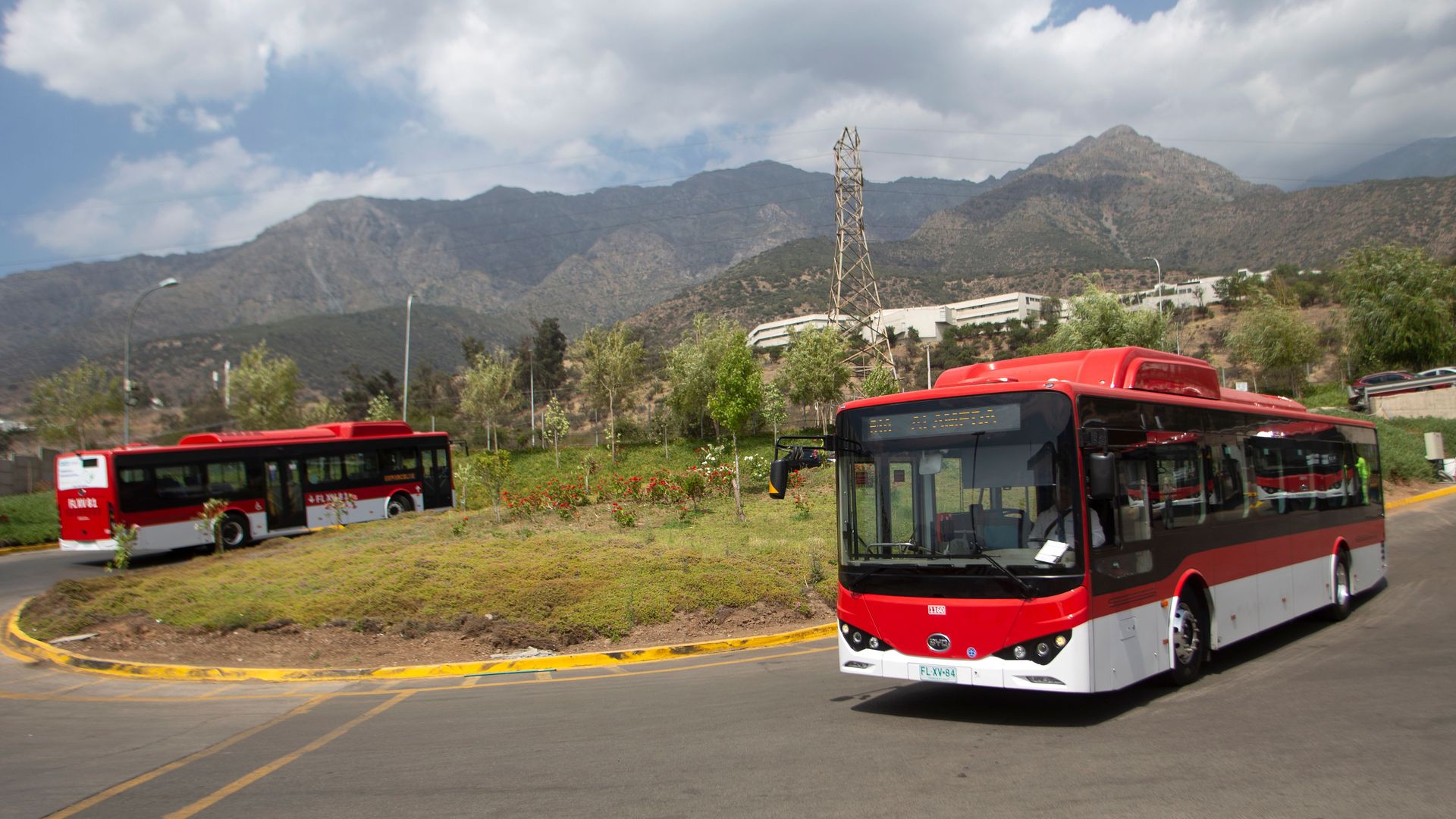
A recent delivery of 200 electric buses from Chinese manufacturers BYD and Yutong, with more orders to come, is advancing Chile's goals for electric-powered public transit — 80% by 2022 and 100% by 2040.
Why it matters: Chile is electrifying transportation to help clean its air, reduce urban noise pollution, cut oil imports and add more renewables to its energy mix. Moving toward electric mobility is also a way for Chile to tighten its trade ties with China, the dominant player in the global electric bus market.
Bitcoin mining takes a 0.2% share of global electricity consumption, according to a new paper in the journal Joule described in this MIT Technology Review piece.
Why it matters: That's a lot of power, though James Temple's MIT piece notes other research that provides an even higher estimate.
The Atlantic's Robinson Meyer has behind-the-scenes info on a newly prominent think tank's effort to fill in the policy blanks of the Green New Deal.
Why it matters: The sweeping template pushed by Rep. Alexandria Ocasio-Cortez is firmly in the Democratic conversation — even the party's 2020 frontrunner Joe Biden's climate plan praises it.
Oil producers around the world wasted as much natural gas in 2018 as South and Central America use in an entire year, according to new data from the World Bank.
Driving the news: Intentionally discarding natural gas by burning it off as carbon dioxide, a practice called “flaring,” increased 3% to 145 billion cubic meters last year compared to 2017. In the U.S., flaring rose by nearly 50%, driven by booming oil production and a relative lack of infrastructure to contain associated natural gas.