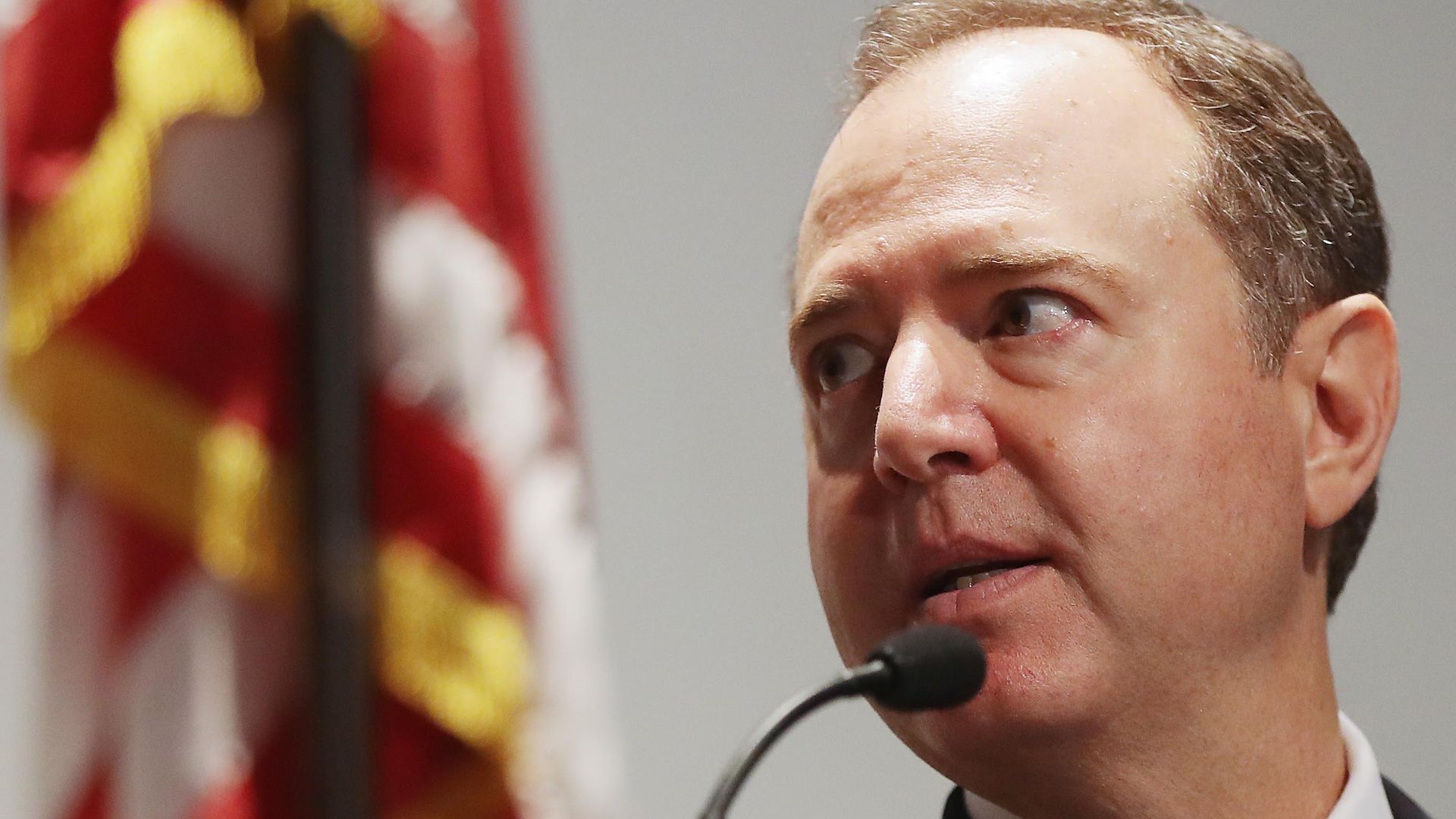
The Democratic head of a powerful House committee is probing reports of White House interference with a State Department analyst's written testimony prepared for a recent hearing on climate change and national security.
Why it matters: Intelligence Committee Chairman Adam Schiff's inquiry could disclose new information about White House challenges to widely recognized scientific findings on global warming and its effects.
Driving the news: Schiff, in a new letter to State's Bureau of Intelligence and Research (INR), asks for a suite of documents and communications about preparation of State analyst Rod Schoonover's submission for the June 5 hearing.
The letter says he has "profound concerns" about efforts to "suppress" independent analysis.
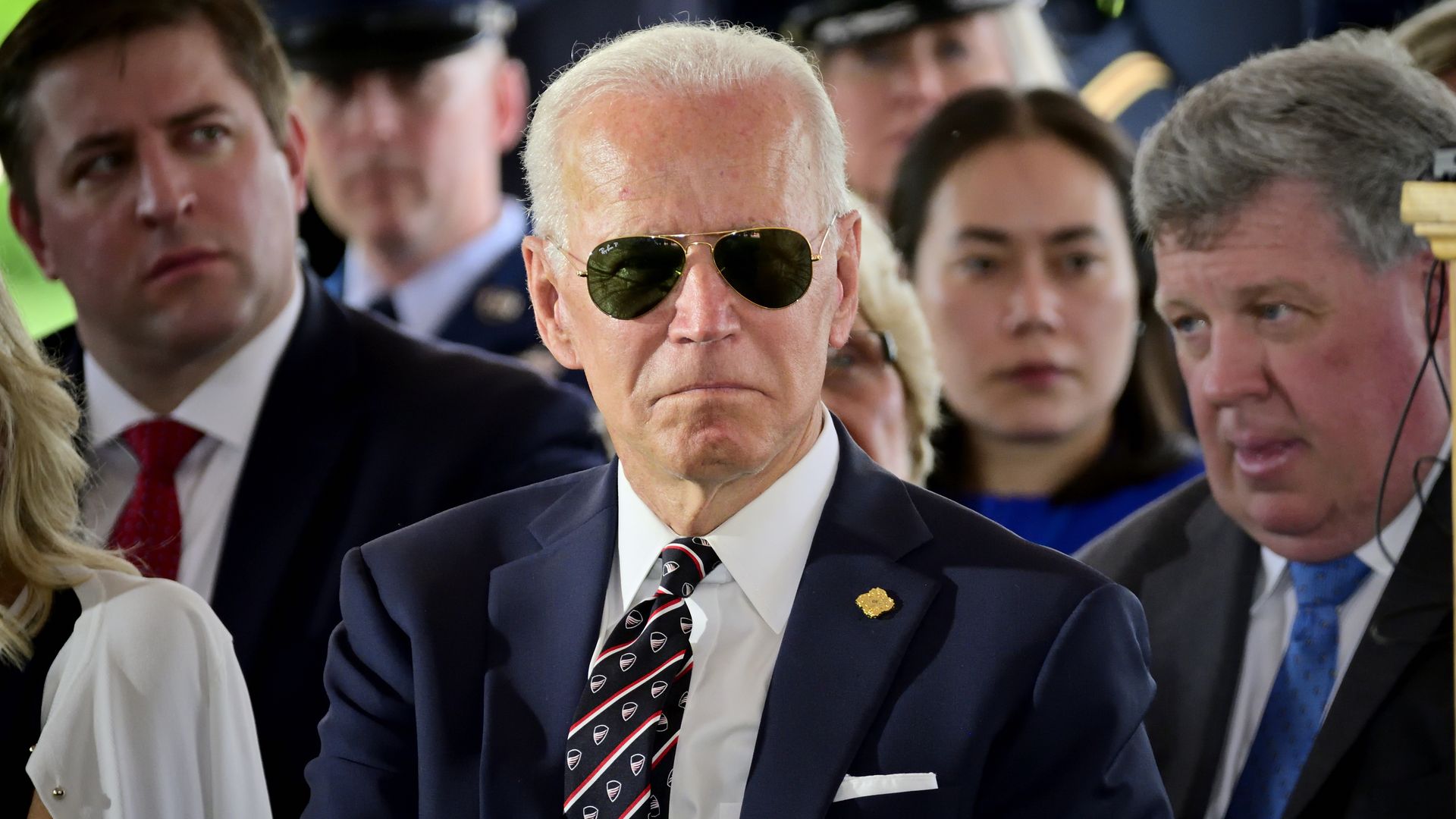
Joe Biden will use a speech in Davenport, Iowa on Tuesday to attack President Trump on climate change during a day that both men are in the state.
Why it matters: The remarks represent Biden's highest-profile attack on Trump on the issue since the early Democratic frontrunner unveiled his climate plan last week. Iowa, like much of the Midwest and Plains, has been hard hit by floods this spring.
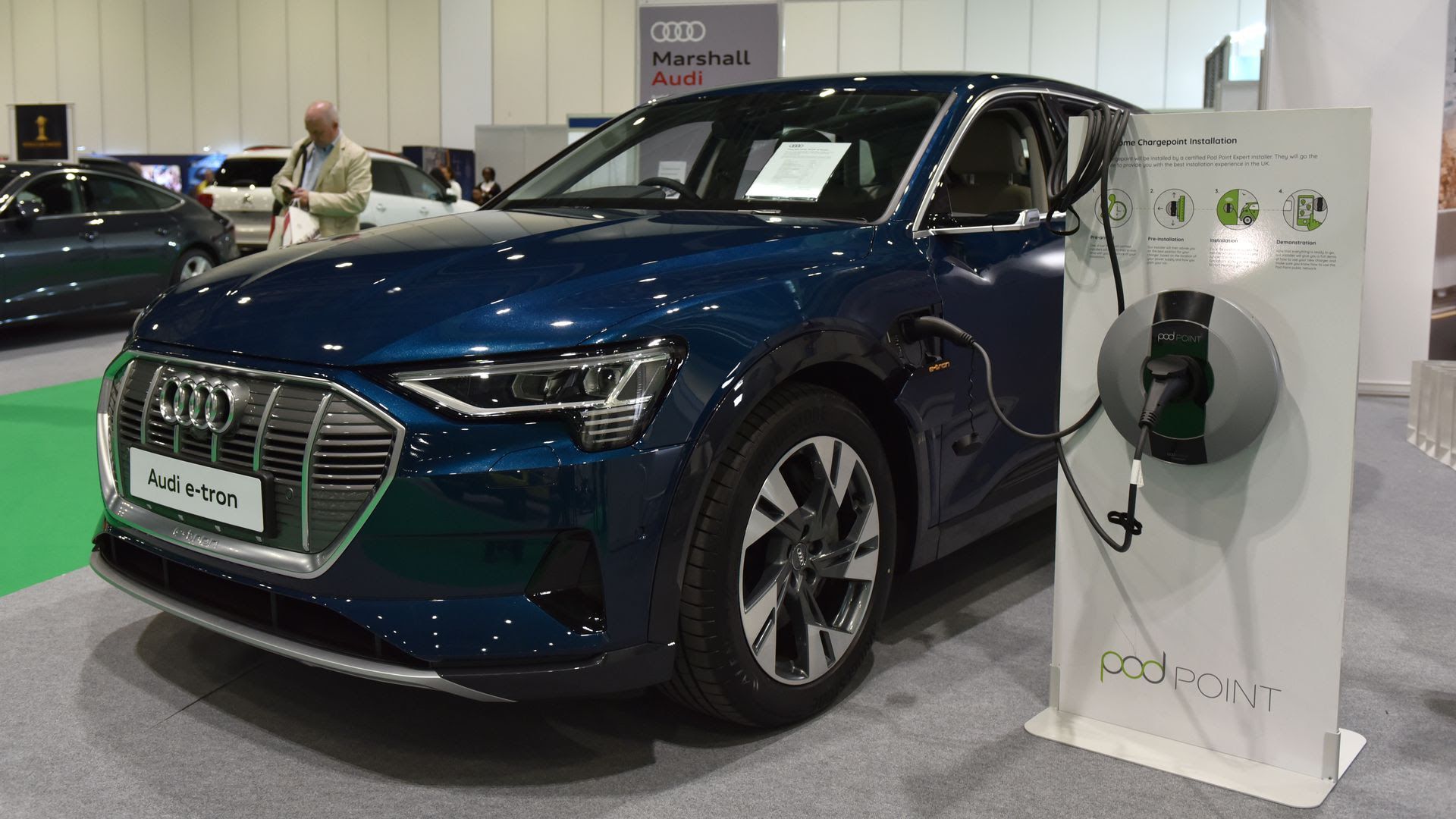
Several states, including California, Vermont and Arizona, are considering requiring electric vehicle charging stations to accept physical, magnetic stripe credit cards rather than other payment options. A new report outlines how that will be a dramatic downgrade in security.
A recent World Bank report offers a very mixed bag for anyone hoping the spread of carbon pricing — via taxes or permit trading — could help bring steep cuts in worldwide emissions.
Reproduced from a World Bank report. Chart: Axios Visuals
Why it matters: The bank's latest look at pricing trends follows global CO2 emissions increases in 2017 and 2018 that ended a 3-year plateau.
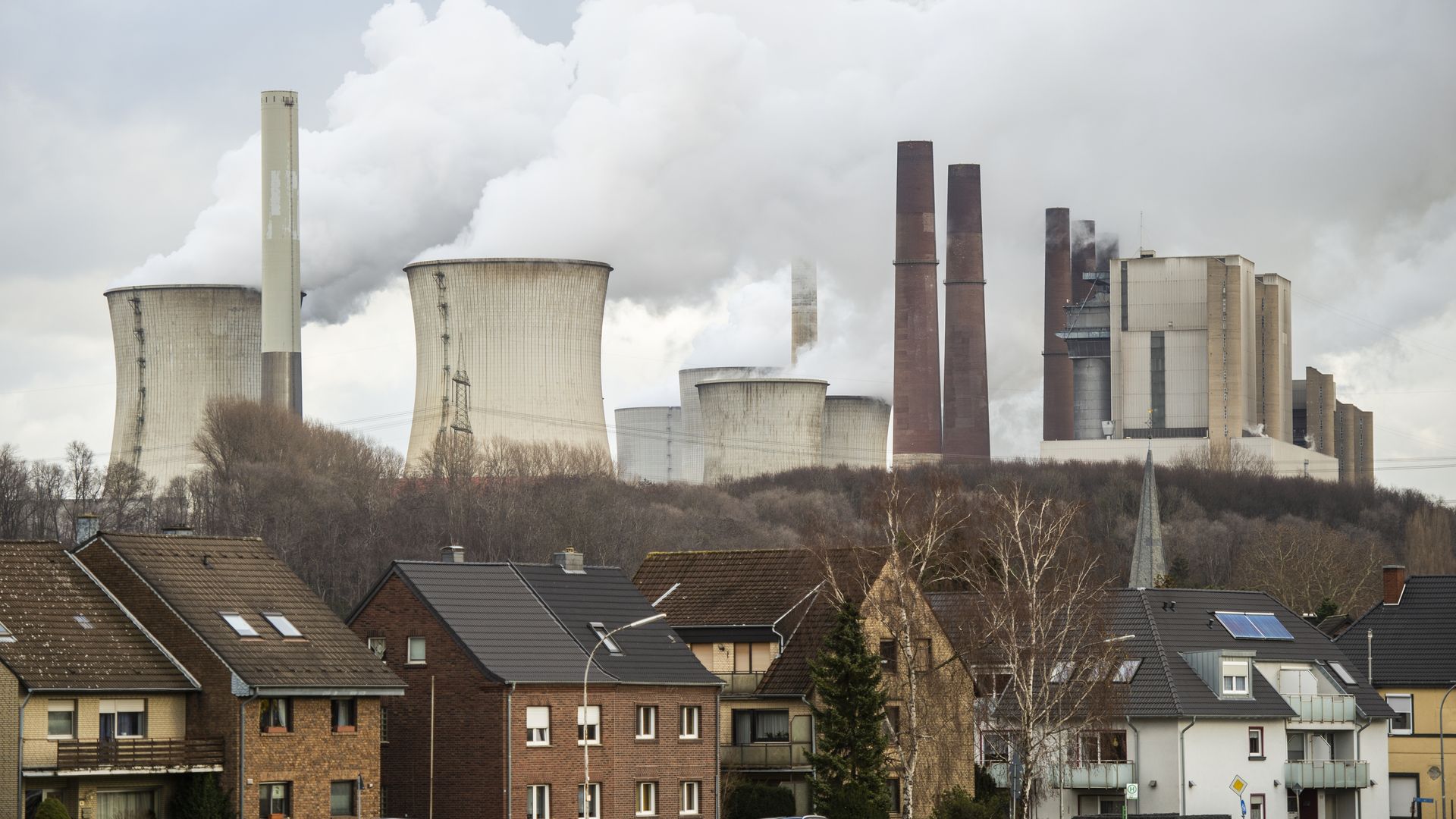
Existing natural gas capacity could replace up to half of the European Union’s coal-fired electricity, according to a forthcoming International Energy Agency study described to Axios.
Why it matters: While still a fossil fuel and thus controversial, natural gas emits 50% less carbon than coal. So in cases where gas is displacing coal, overall CO2 emissions go down.
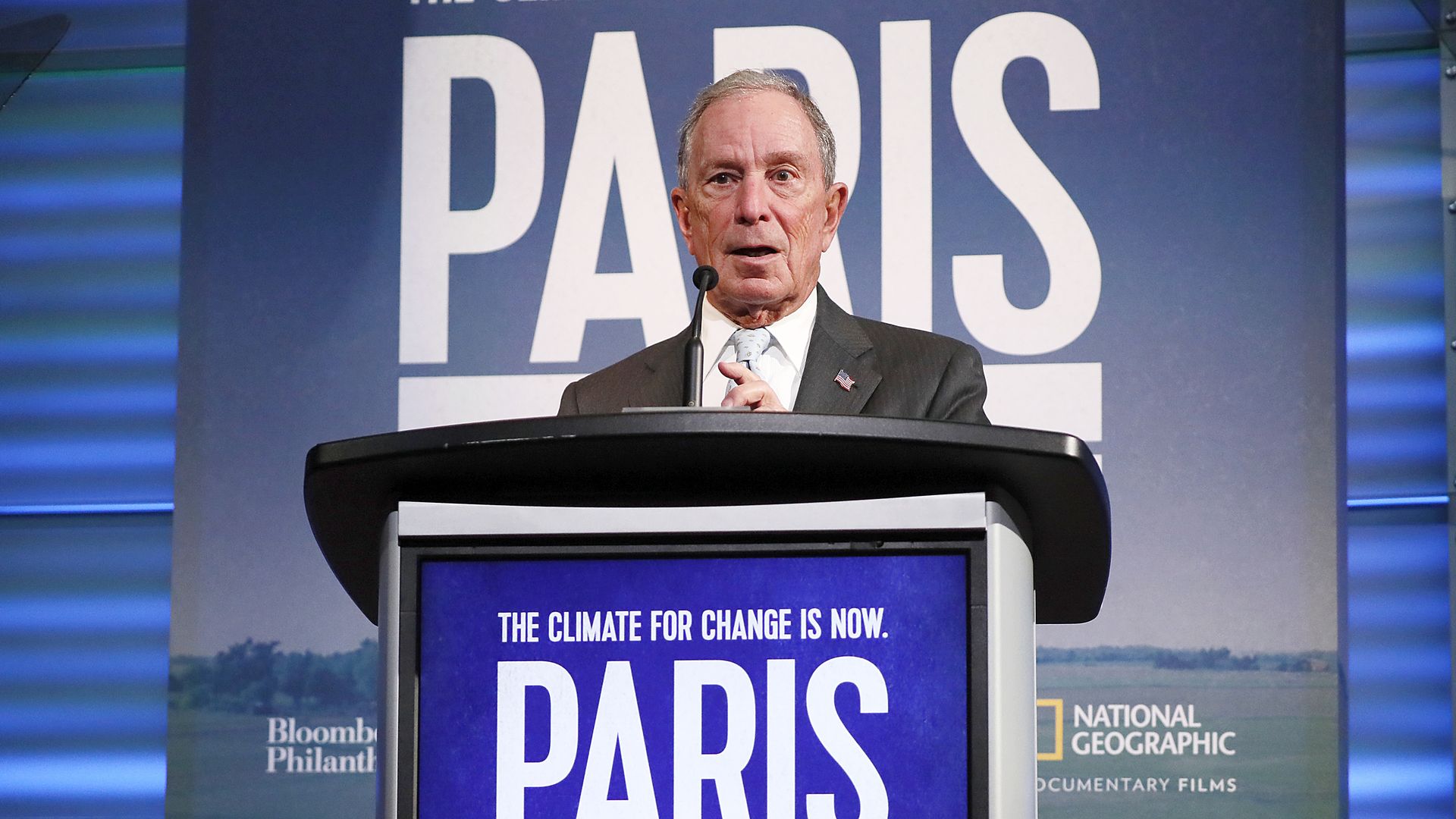
Absent from billionaire Michael Bloomberg’s $500 million "Beyond Carbon" campaign to get off coal and natural gas is any mention of nuclear energy, America’s largest source of carbon-free electricity.
What they’re saying: An aide to Bloomberg told Axios the former New York mayor and climate advocate isn’t taking a "hard stance" on nuclear. "We’ll pursue all of the options available, including nuclear," the aide said. "If nuclear is determined to be the best alternative to coal, oil and gas, our work will support it. In other cases, there may be a different alternative worth pursuing."
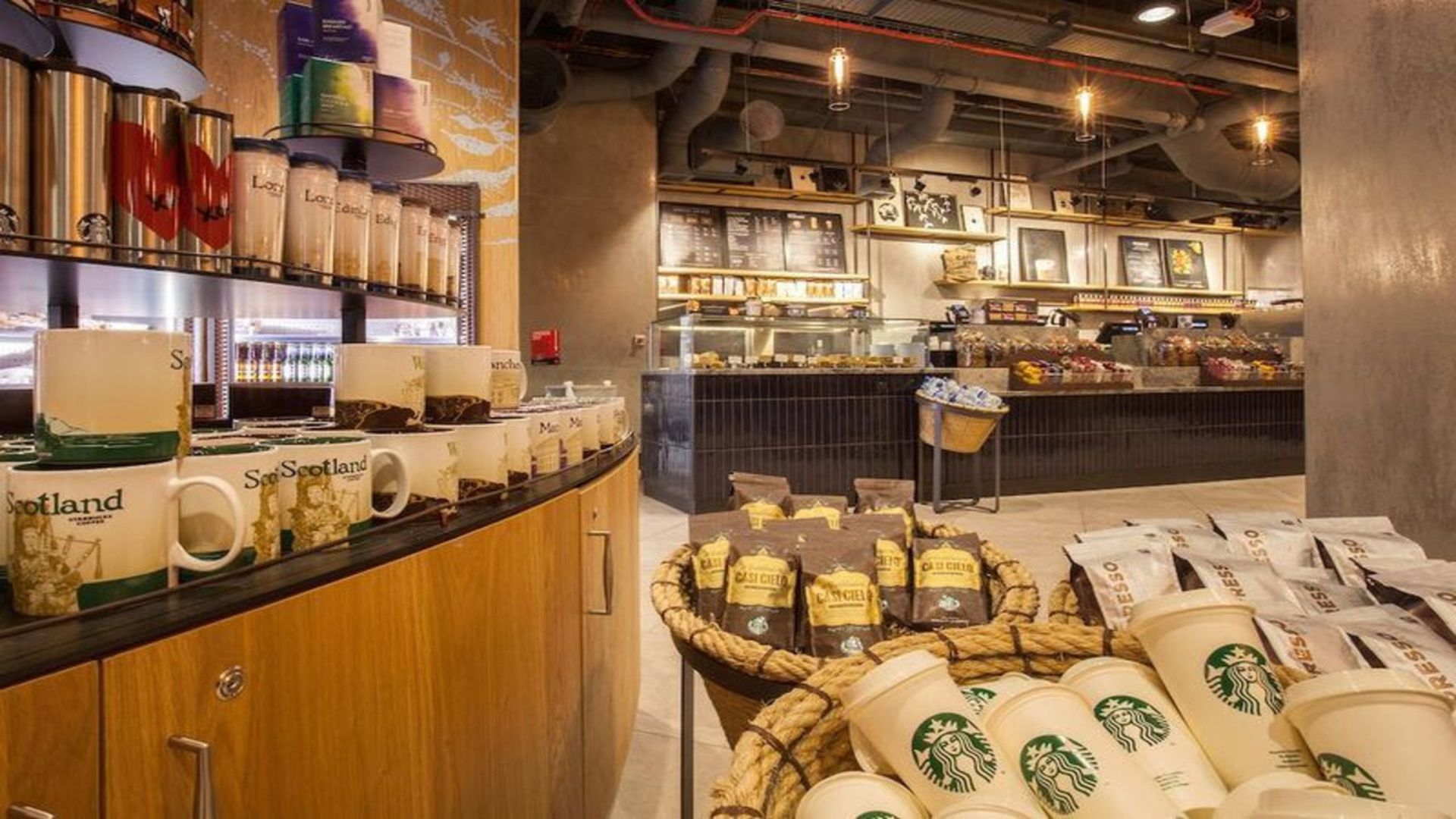
Starbucks this month begins a first-of-its kind trial of reusable cups at London’s Gatwick airport, offering them for free while charging a small fee for disposable cups, Bloomberg writes.
Why it matters: "[R]eusable cups potentially have a lower carbon footprint than paper cups." Starbucks estimates that "if just 250 customers a day opt for a reusable cup, more than 7,000 cups could be saved in the monthlong trial."