Monday's energy & climate stories

USDA reportedly avoiding term "climate change"
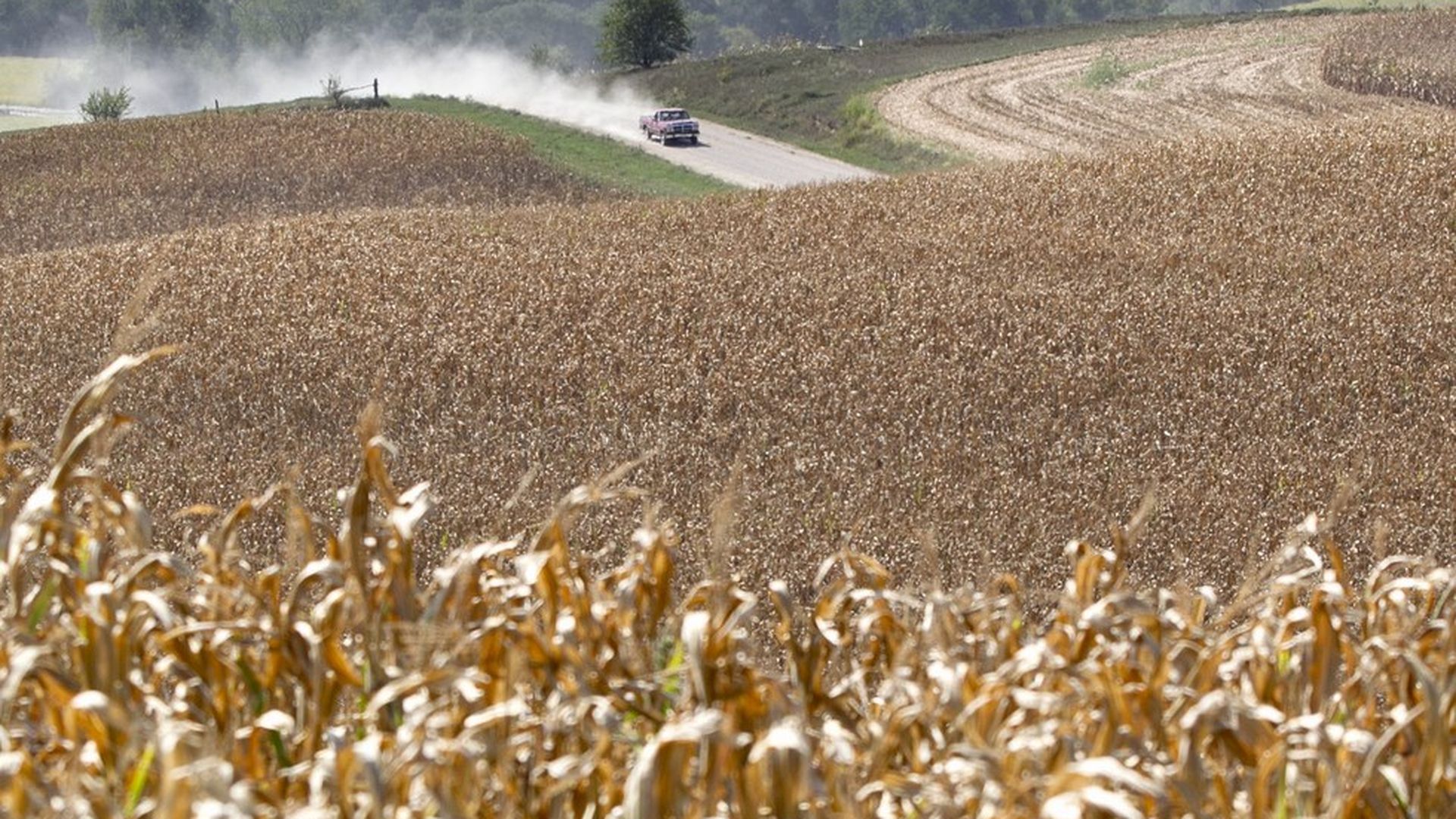
Emails obtained by The Guardian show U.S. Department of Agriculture staff discussing efforts to replace terms like "climate change" with alternatives, like "weather extremes." One February 16 email, reportedly from a Natural Resources Conservation Service (NRCS) employee, outlined words to avoid and their replacements.
Dos and don'ts: "Climate change adaption" becomes "resilience to weather extremes" while "reduce greenhouse gases" becomes "build soil organic matter, increase nutrient use efficiency."
NRCS Public Affairs Director Kaveh Sadeghzadeh said the NRCS "has not received direction from USDA or the Administration to modify its communications on climate change or any other topic," while the USDA said it the NRCS had been giving the new administration room "to review policy-related statements."
Why it matters: The Trump administration has taken aggressive steps to reverse Obama-era climate policies, and while the EPA has been the most visible part of that effort, these emails seem to show other agencies are tip-toeing around the issue of climate change.

Ecologists argue more wildfires should be left to burn
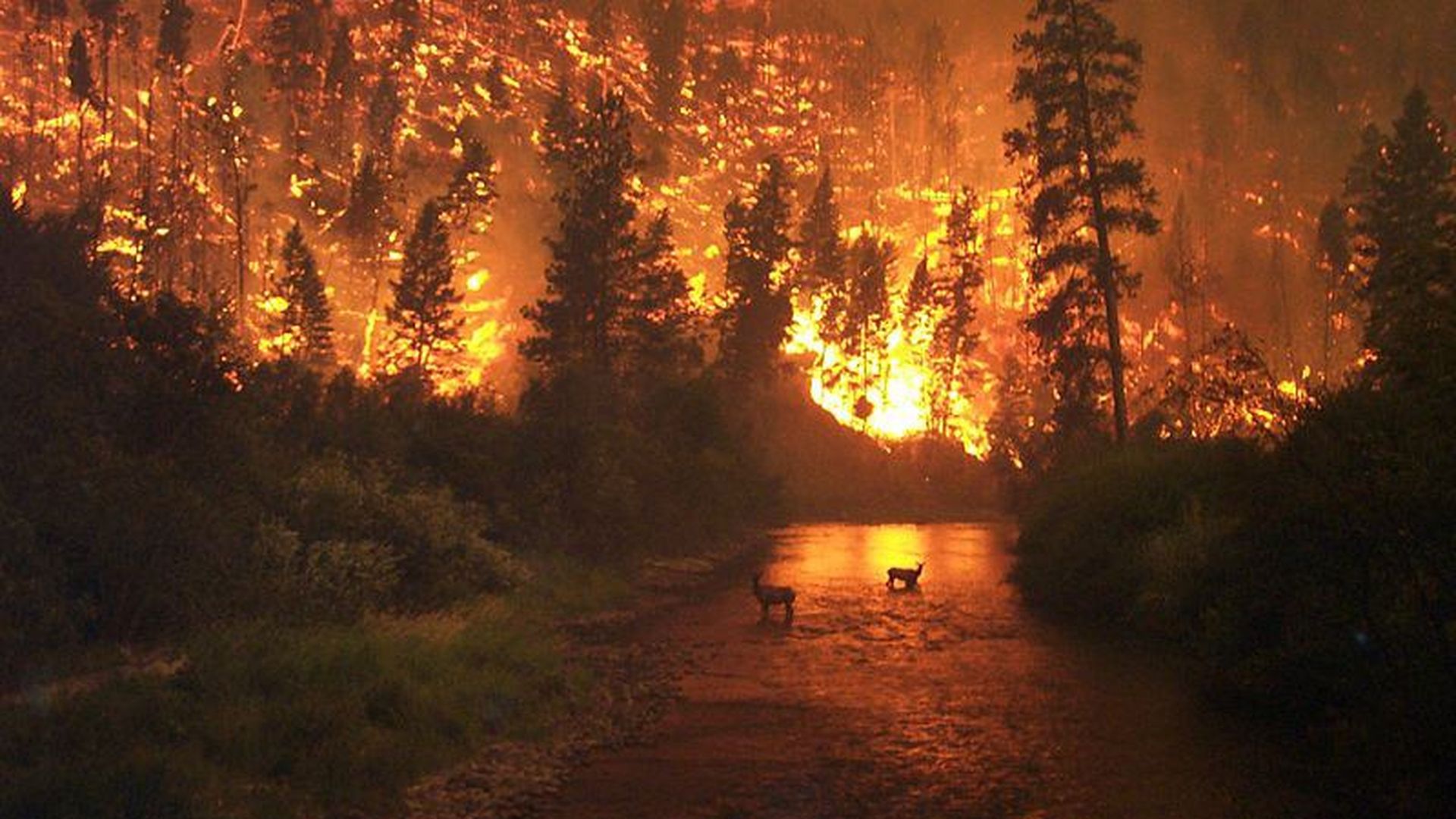
Some ecologists are calling for allowing more forest fires to burn because they are "essential to improving the long-term health of the forests," according to the New York Times.
Why it matters: The U.S. Forest Service reports more than 73,000 wildfires burn about 7 million acres of federal, tribal, state, and private land each year. Historically, however, scientists believe that 20 to 30 million acres burned each year in what is now the U.S. prior to colonization. Many kinds of plants and animals thrive in newly-burned forests, and by rushing to put them out, they could be endangered.
However, forest fires threaten nearby communities. Ecologists and forest managers are seeking a balance between fears about public safety and the ecological benefits of wildfires.
The costs: The NYT reports that federal and state firefighting costs have neared two billion dollars. The National Interagency Fire Center reports there were 15 firefighter fatalities in 2016 due to forest fires. Some scientists suggest money should be "redirected from firefighting into projects like fireproofing homes."

Researchers try to crack Tesla's wall of silence on Model 3 battery

Tesla won't say so itself, but its much-discussed mainstream electric Model 3 appears to be powered by a battery about 11% smaller than the tiniest offered for its showcase luxury Model S, according to researchers who have gone to work figuring it out.
Vital news for battery fanatics: At a time researchers around the world are attempting to discover a breakthrough super-battery to bring electric cars to the masses, there is unusual interest in every detail about the $35,000 Model 3, which was launched July 28.
It's not clear why Tesla and CEO Elon Musk have been all-but silent about the battery, the car's most important spec, given that they have released at least bare-bones detail as a matter of course about its other vehicles. Tesla did not respond to emails from Axios about the battery.