Friday's energy & climate stories

Evolution can happen really quickly

A well-timed cold snap has let Harvard scientists capture rapid evolution in close to real time. They have measured changes in the DNA, gene expression, and cold tolerance of a species of Anole lizard, which ranges from the Texan desert to Oklahoma and North Carolina.
Why it matters: This study, published Thursday in Science, shows that extreme weather events can noticeably change a population in as little as one generation. As the climate continues to change, extreme weather events like this one will become more common. It's important to understand how species will respond — both on the organismal level and population level, and the genetic level.

Gore's Inconvenient Sequel gives viewers solutions to climate change
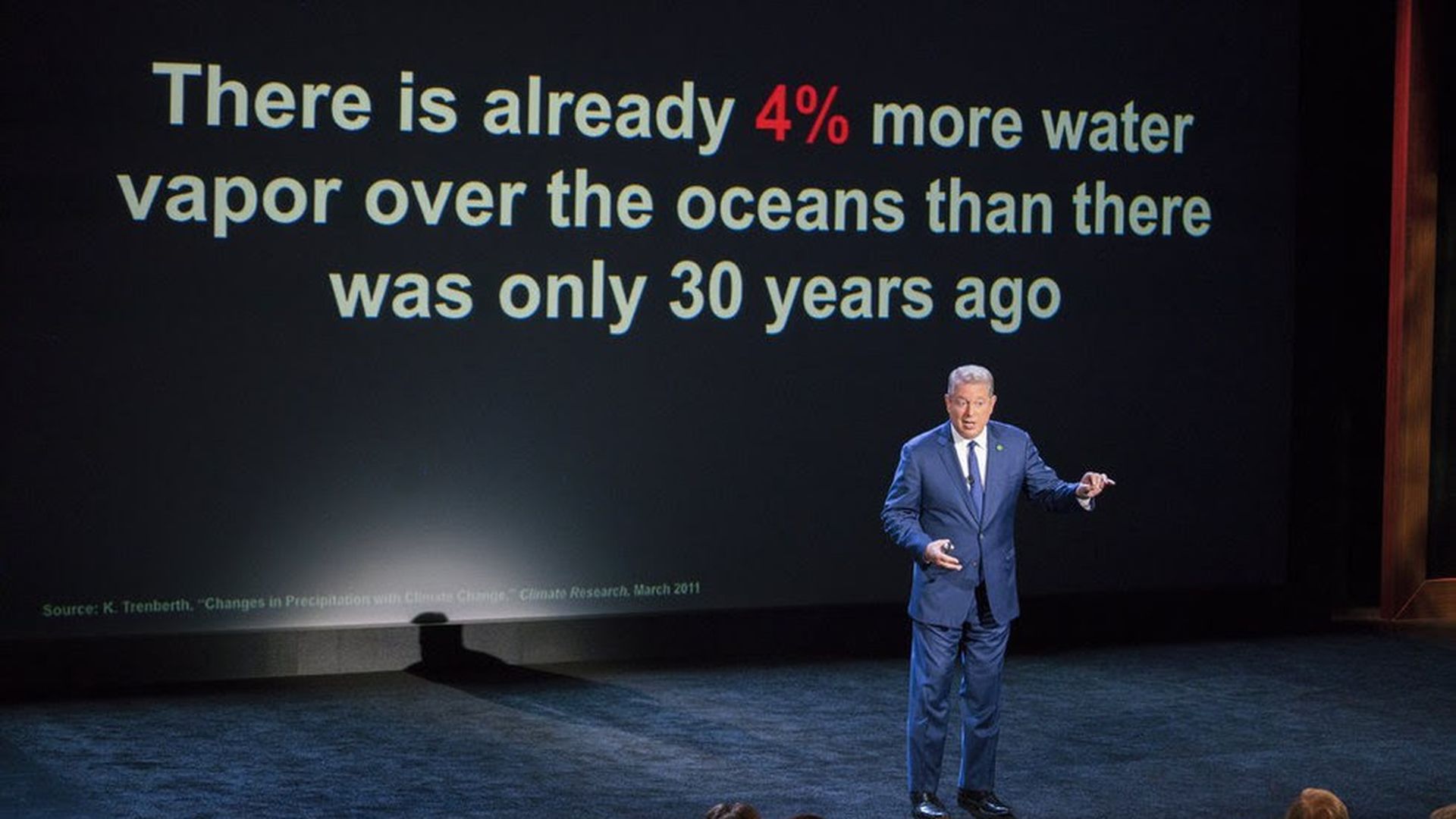
"Gore wants 'Inconvenient Sequel' ideas to follow people home," by AP's Marcela Isaza in Beverly Hills:
- "The former vice president stars in 'An Inconvenient Sequel: Truth to Power' [out today]... a follow-up to the 2006 Oscar-winning documentary about his efforts to combat climate change... The sequel arrives in a new world of smart homes, mass-produced electric vehicles and Donald Trump in the White House."
- "Gore, 69, has championed environmental causes for more than 40 years..."
- Gore: "Anybody who works on the climate crisis is tempted in some dark moments to despair but it doesn't last long for me. Despair is just another form of denial... The solutions are here. Electricity from solar and wind is now getting cheaper than electricity from fossil fuels and we are seeing a huge switch in that direction."
- Go deeper: "What You Can Do," on the film's Tumblr... Indivisible, the film's organizing website.

Analysts: U.S. shale will suppress oil prices through at least 2019
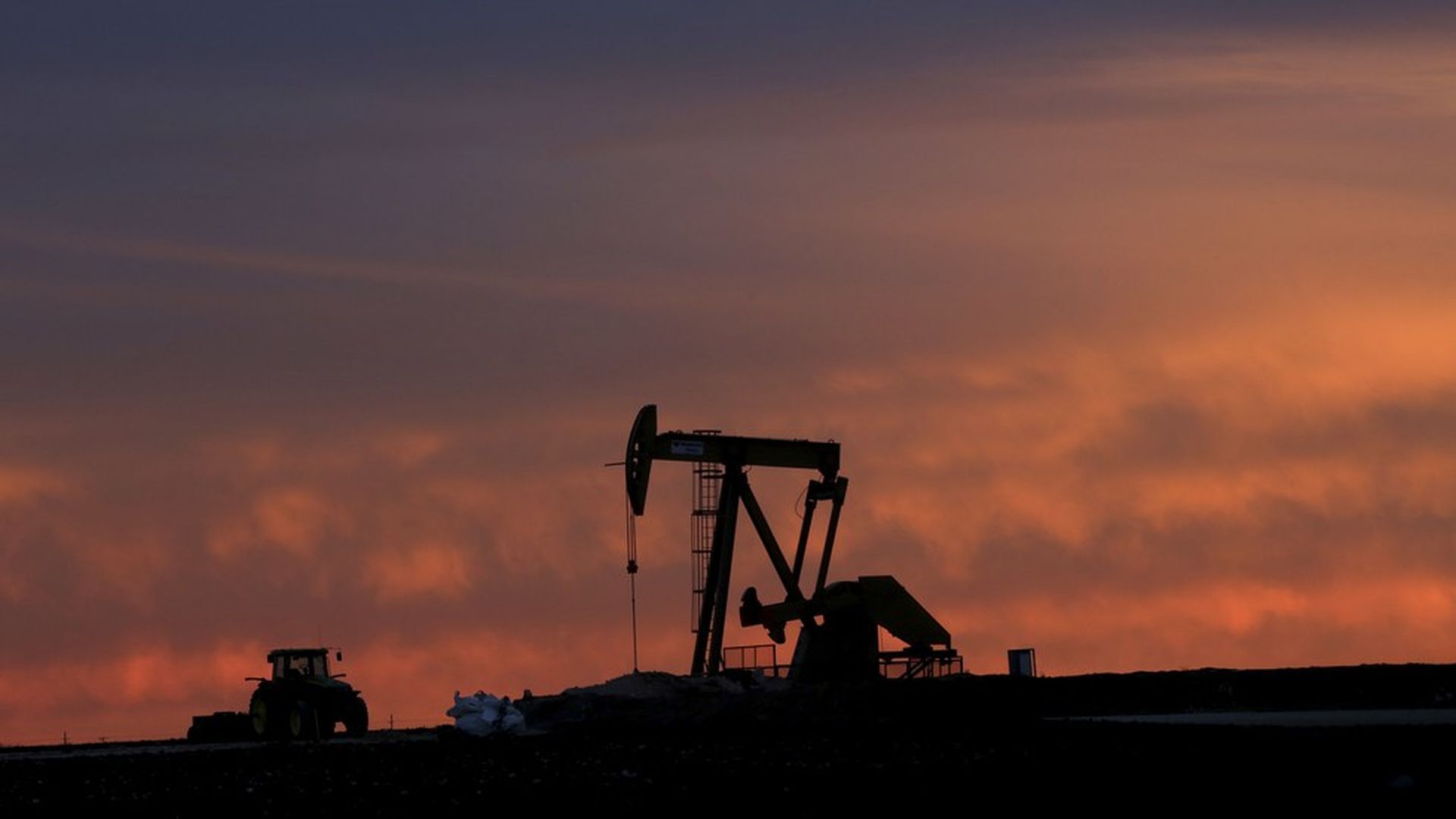
Oil prices — more or less flat for 15 months — will stay in their current band through the end of the year and only start to bump up against $60 a barrel in 2019, per the Wall Street Journal, placing tremendous sustained and perhaps mortal pressure on oil companies and petro-state governments.
Jobs update: The pressure is also on workers: employment in U.S. oilfields fell slightly last month from June, continuing a year-long trend, the U.S. Bureau of Labor Statistics reported today. Employment fell by 700 month to month, and is down by about 1,600 over the year.
According to a poll of 15 investment banks conducted by the newspaper, Brent crude — the internationally traded benchmark — will average $53 a barrel this year, and rise to $55 in 2018; for both years, that is $2 lower than they said a month ago. In 2019, Brent will average $59.60, they said.
An American cap on prices: The main culprit for all of this: U.S. shale drillers, who are finding their oil cheaper and cheaper to produce, cutting costs and conducting only subdued rehiring of workers laid off in the hundreds of thousands over since 2015.So that every time oil prices go up, they produce more, which then pushes prices back down.
Why it matters: Motorists can expect a long additional period of low gasoline and diesel prices. But the pressure will remain on oil companies and petro-states, which have already suffered through two and a half years of low prices that have ravaged balance sheets. Venezuela, for one, has appeared to be on the brink of economic collapse for months.
Tesla beats the market and its share price surges
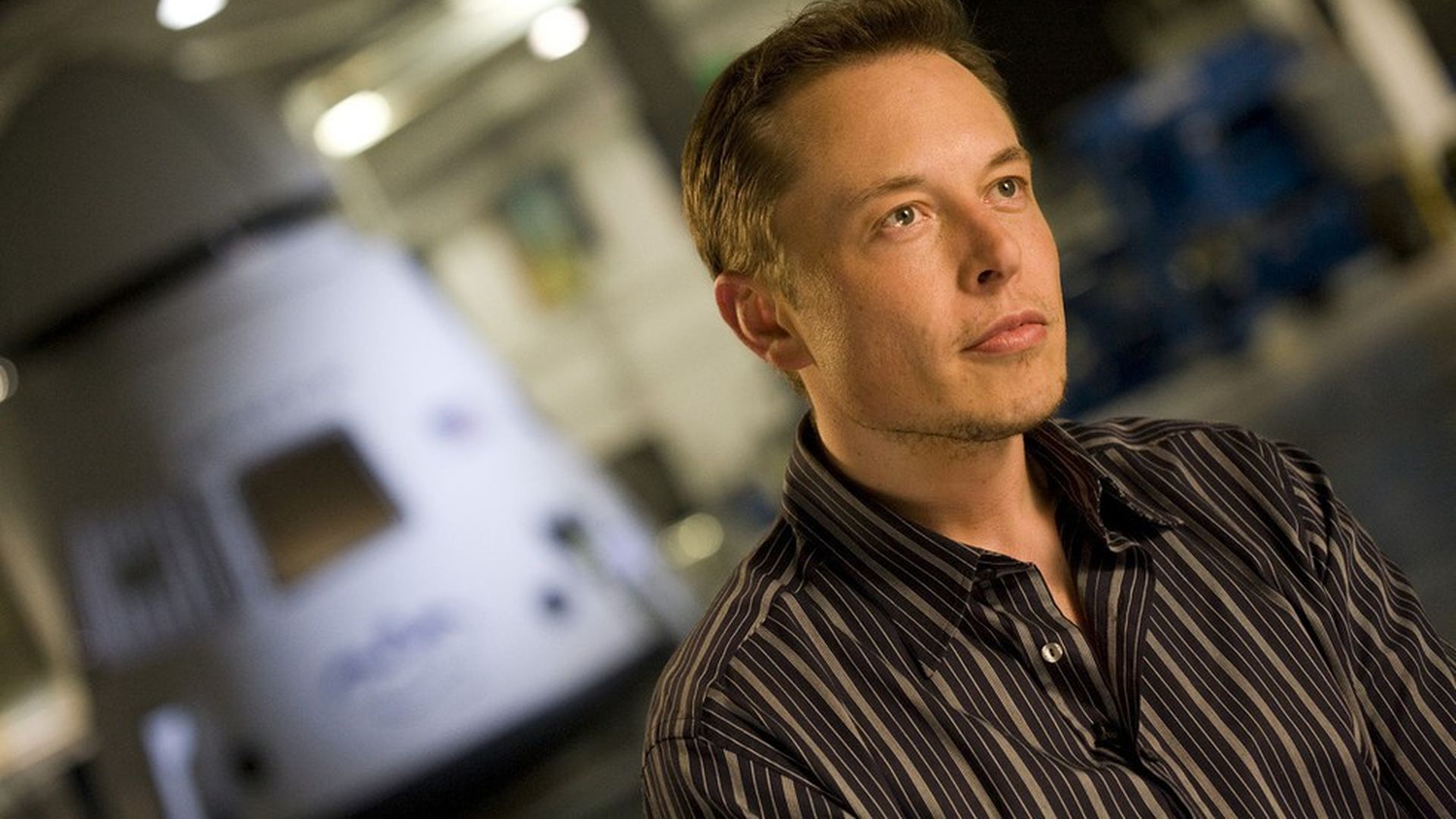
Tesla continues to burn through cash at a bonfire rate, and doubts remain that CEO Elon Musk can deliver his new mainstream electric Model 3 at the pace he is promising. But Tesla's share price shot up by 3.8% in after-hours trading when it announced sharply higher-than-expected quarterly earnings, and Musk delivered a decidedly ebullient assessment of the company's prospects.
"This is the best I've ever felt about Tesla," Musk told Wall Street analysts in a second-quarter earnings call.
The $35,000 Model 3 is important both to Tesla and the market. If it succeeds in capturing large, year-after-year sales, Musk's big bet on creating a new carmaker will be a stunning success; conversely, if sales are only middling or peter out, Tesla will probably fail — there does not appear to be a Plan B. As to the market, the Model 3 has driven almost every major carmaker on the planet to plan their own electrics.
One thing raising Musk's spirits is the public reception for the Model 3. He said a telling measure is what journalists said after going for a spin at its July 28 coming-out ceremony: "Eighty percent of the journalists said they would buy the cars themselves. The other 20% said 'maybe.' This is crazy. I've never seen anything like it."