The battle for self-driving cars is often framed as a fight between Silicon Valley and Detroit, or Google and Uber, but a more fundamental question is what type of technology will win the day.
Alphabet's Waymo, Uber, and automakers like Ford and General Motors are investing heavily in technology known as LiDAR (or Light Detection and Ranging) sensors. But some — including startup Comma.ai and Tesla— don't think LiDAR is necessary at all.
Why it matters: Figuring out self-driving car sensors is one the hottest treasure hunts in Silicon Valley right now. Whoever perfects the software-sensor combination will have an enormous advantage in the future of transportation. The technology is also at the heart of an on-going lawsuit between Uber and Waymo— the outcome of which could be a make-or-break moment for Uber.
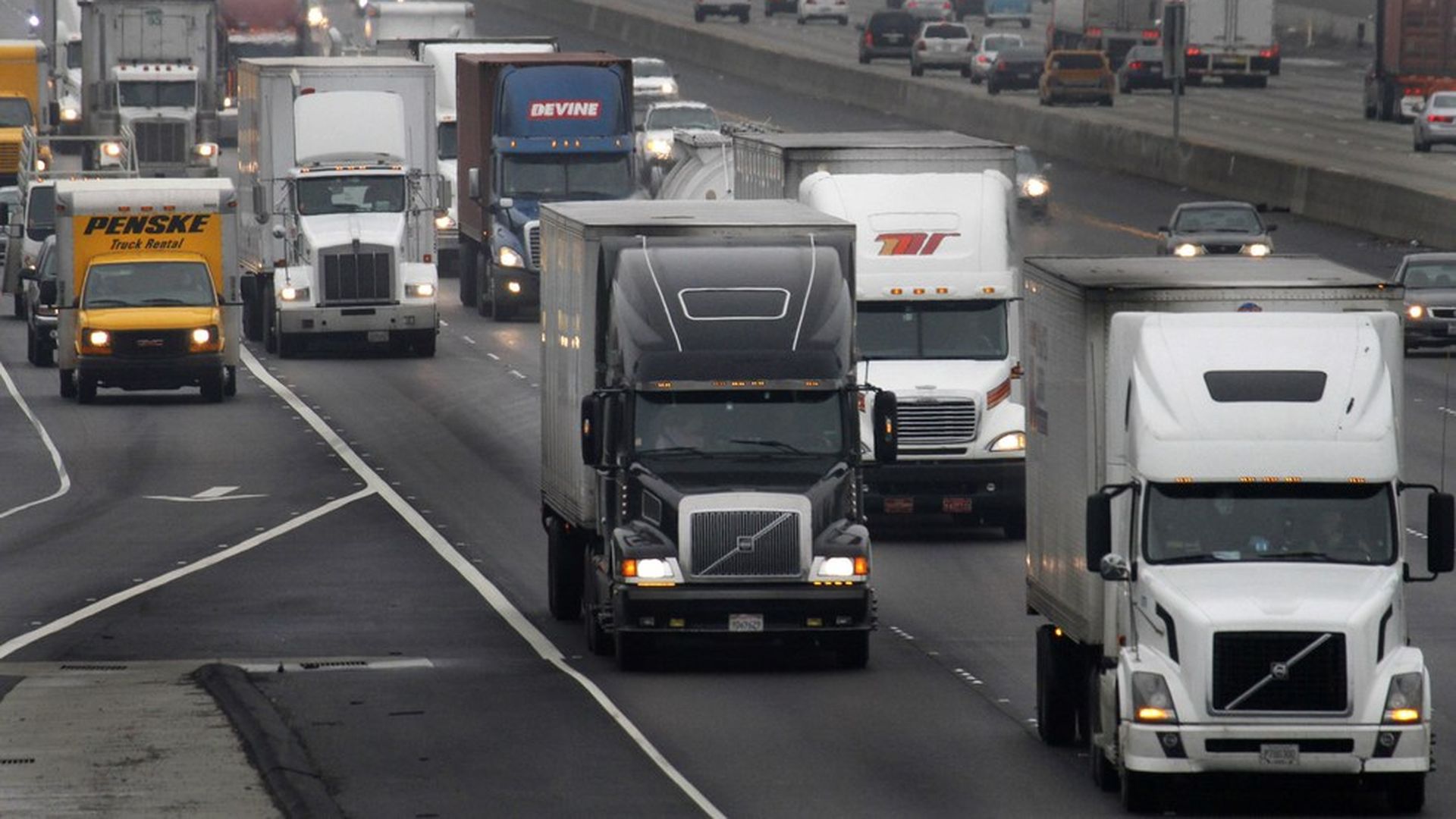
A new study out in Nature Monday claims excess nitrogen oxide emissions from diesel vehicles were associated with approximately 38,000 premature deaths around the world in 2015.
The worst cases: Most of the health impacts were in China, India, and the EU.
The outlier: Heavy-duty vehicles were the dominant contributor to health impacts in all markets but the EU.
What to watch for: The study suggests if countries like Australia, Brazil, China and Mexico adopt the strictest current emissions standards, 104,000 premature deaths could be avoided in 2040.
"White House chief of staff Reince Priebus issued a stern warning at a recent senior staff meeting: Quit trying to secretly slip stuff to President Trump."
"Just days earlier, K.T. McFarland, the deputy national security adviser, had given Trump a printout of two Time magazine covers. One, supposedly from the 1970s, warned of a coming ice age; the other, from 2008, about surviving global warming."
"Trump quickly got lathered up about the media's hypocrisy. But there was a problem. The 1970s cover was fake, part of an Internet hoax that's circulated for years. Staff chased down the truth and intervened before Trump tweeted or talked publicly about it."
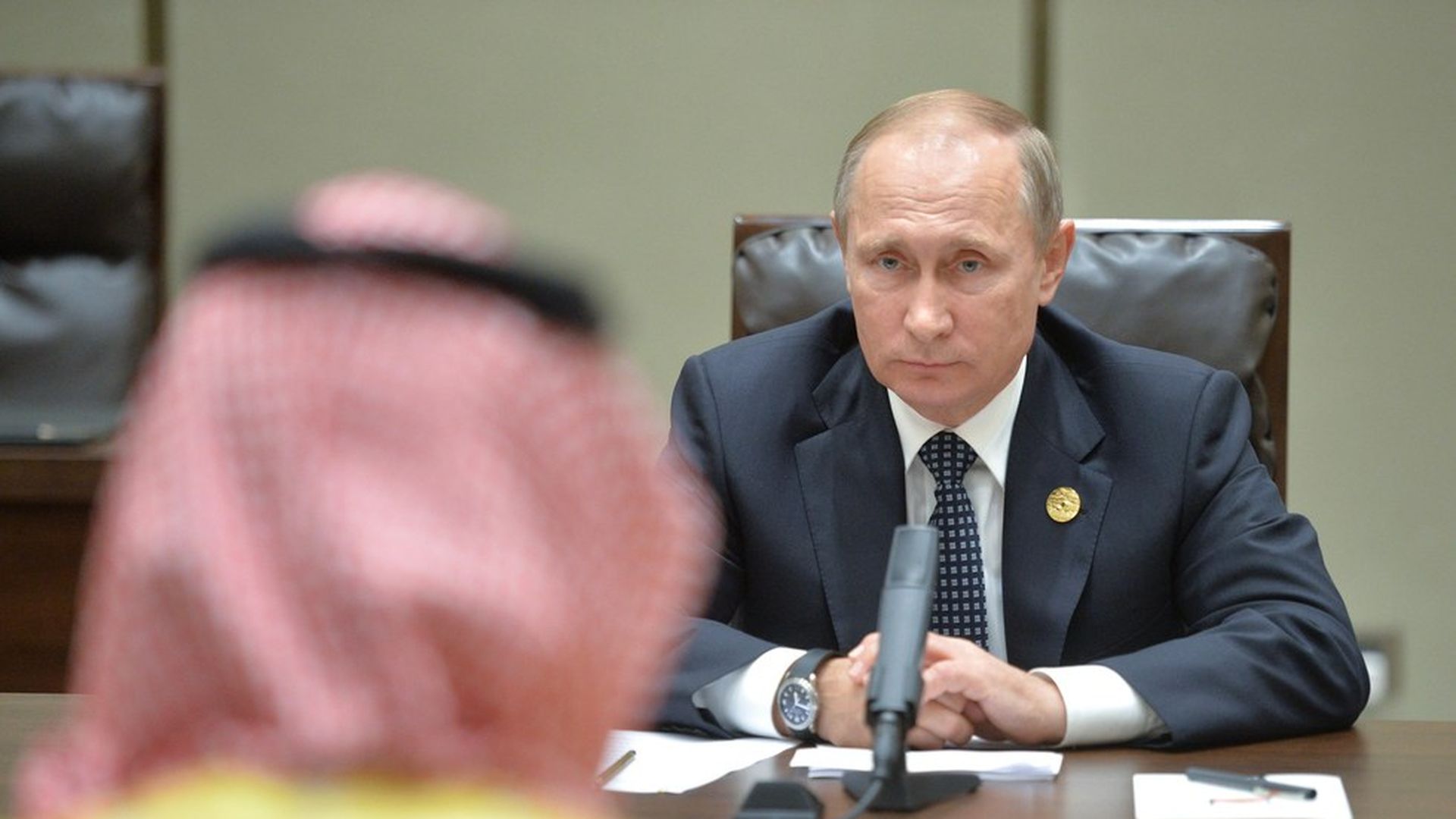
Saudi Arabia and Russia jointly said they favor extending the production-limiting deal between OPEC and some other big producers through the first quarter of 2018.
Why it matters: The comments by the world's largest producers signals what could happen when OPEC meets May 25 to weigh the future of the six-month production agreement that began in January.