Wednesday's economy stories

E-commerce isn't killing Las Vegas retail shops
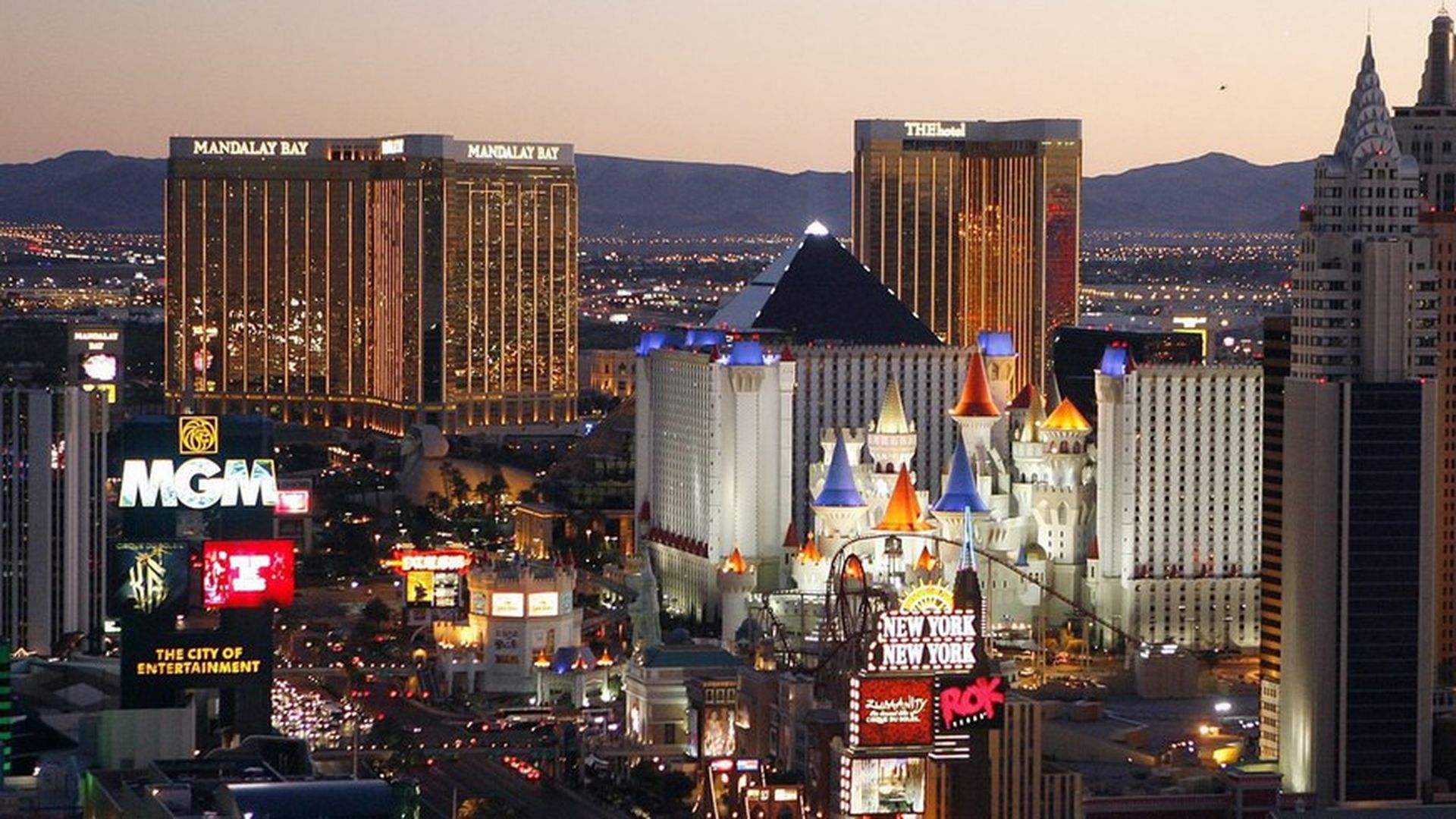
There will be more store closings in America this year than in 2008, but Las Vegas Strip retailers are actually expanding square footage, the Las Vegas Sun reports.
Purveyors of the strip attract customers with sensory experiences, and profit from impulse buys once shoppers are in the store. It's no surprise that Las Vegas is attracting record crowds, but its traditional retailers are also leveraging that success despite an overall shift toward e-commerce.
Why it matters: Las Vegas is uniquely positioned to attract shoppers looking for something to do, so it's not clear that this model is replicable in every case. That said, mall owners across the country are investing in their properties at the highest rate since 2008 on the logic that they can breathe life into their businesses by making the shopping mall a destination in its own right.
Lower life expectancy reduces corporate pension costs
More Americans are dying at younger ages, and one silver lining is that it's reducing pension costs for corporations and the government, Bloomberg reports. The analysis shows that at least 12 large companies like GM and Verizon have said that this trend has reduced their pension obligations a combined $9.7 billion.
- Why it matters: That corporate America is quantifying the effects of this rise in age-adjusted death rates to shareholders underscores just how remarkable this trend is. "Even in previous years, you've seen a slower degree of improvement for the pensioners, but you haven't seen a decline in life expectancy," Aon actuary Eric Keener told Bloomberg.
- Why it's happening: One theory is social disconnection and dysfunction particularly in working-class white communities, as so-called "deaths of despair" from suicide and drug addiction have increased.
- It's not just the U.S. Canada and Britain are also seeing slow improvement in life expectancy.

Car marketplace Carvana acquires Bay Area startup

Just two quarters into its life as a public company, online car marketplace Carvana is already acquiring a smaller competitor, Carlypso, for an undisclosed amount. Founded in 2013 in San Francisco, Carlypso has raised $1.3 million in funding and operated in three markets.
Why: According to Calypso co-founder and CEO Chris Coleman, the two companies' strengths are complimentary. Where his startup had mastered using data to accurately price cars and optimize everyone's margins, Carvana had advanced logistics, customer service, and financing operations. And in the end, Carvana's much bigger size just made it an attractive landing spot for Carlypso to put its technology to better use, says Coleman.
Industry consolidation: While a few years ago several companies set out to improve car buying with technology, not all of them are still in the race. Six months ago, we saw the shutdown of Beepi after a failed merger with another company. Meanwhile, others have done better, like Carvana, which went public in March, and Shift and Vroom, which recently raising new funding respectively.

New conservative media boogeyman: Sinclair
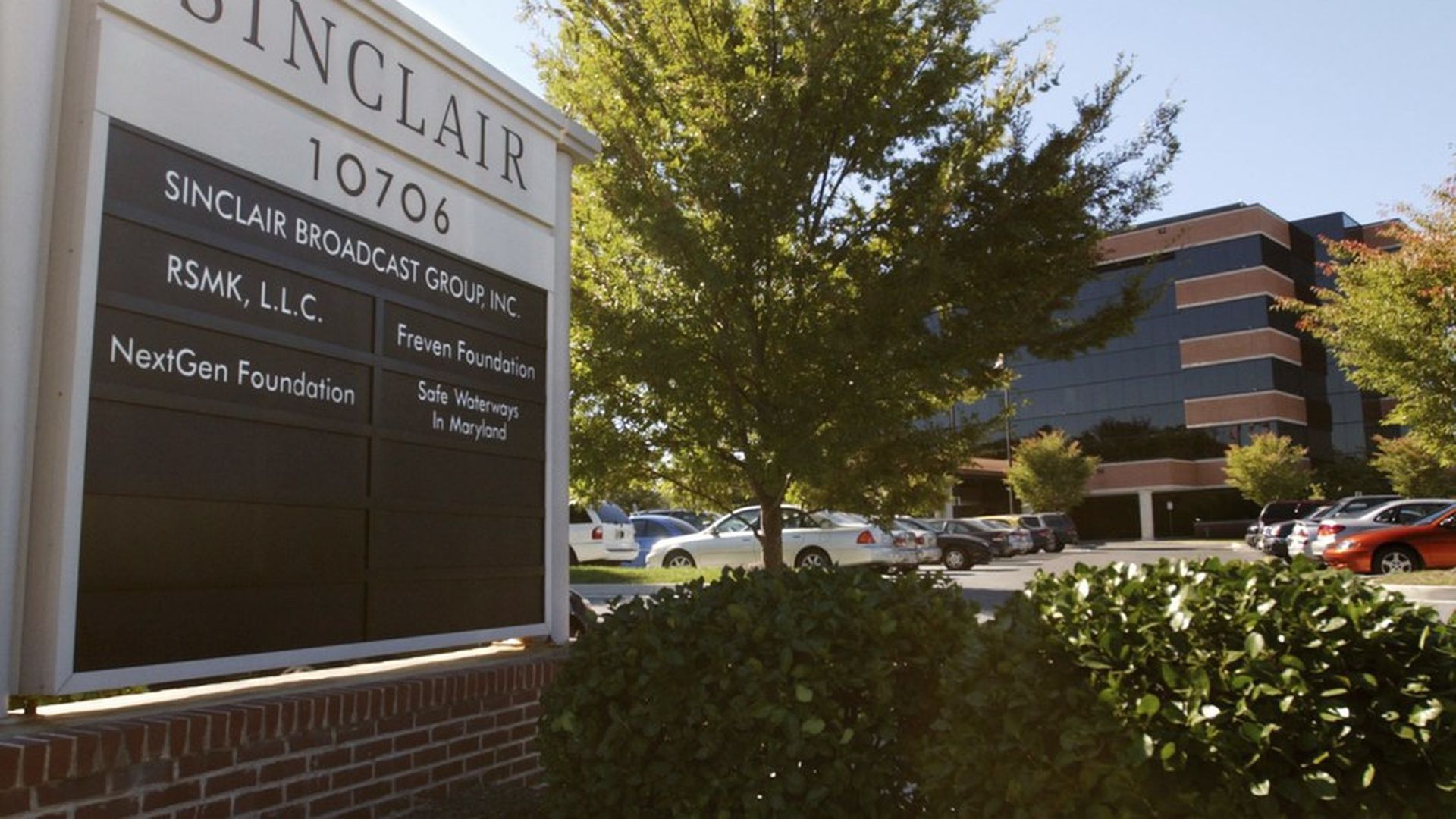
Opposition is coalescing against the $3.9 billion Sinclair-Tribune merger. Among the critics are smaller conservative media outlets.
Conservative fears: Sinclair is famously right-leaning and some have speculated it could launch a Fox News competitor as its power grows. One America News Network President Charles Herring expressed concerns Monday that a post-merger company could use its market power to give that kind of project a leg up over smaller competitors. Newsmax, another outlet on the right, has also expressed reservations about the merger.
Why it matters: Pushback against Sinclair's growing dominance is coming in all forms, shapes and sizes — even from its ideological allies. Last week, Sinclair stock slipped following reports that its biggest rival, 21st Century Fox, may pull Fox affiliate stations from the broadcasting behemoth. The Murdoch-controlled company, which also considered buying Tribune stations, is concerned that a post-merger Sinclair would have increased leverage in negotiations for carrying the programming.