Medallia, a Silicon Valley subscription-based software company that competes with the likes of SurveyMonkey and Qualtrics, on Friday filed to go public on the NYSE under the ticker symbol “MDLA."
The bottom line: Mediallia is still unprofitable, with a net loss of $82.2 million on $313.6 million in revenue for the year ending January 31, 2019. But enterprise software IPOs so far this year have done well, despite IPO activity having slowed.
The former Smith & Wesson has seen its stock fall badly this year, but got a reprieve on Wednesday after it released its fiscal year 2019 earnings report.
What happened: The company didn't deliver great numbers, but they weren't as bad as feared, which made the stock's 25% decline so far this year look a bit overdone.
Big companies have been cutting deals with activist shareholders, putting away the boxing gloves as a way to dodge negative publicity.
Why it matters: While activists are making a lot of noise, the silence —and behind-the-scenes dealmaking — is more representative of what's really going on.
Not-for-profit hospital systems increasingly operate more like corporate titans on the stock exchanges than the charities they promote themselves to be.
The big picture: As hospital systems have gotten larger, they have hosted more investor calls, released more financial data and attended more conferences and roadshows to attract banks and municipal debt buyers — all while health care spending continues to soar.
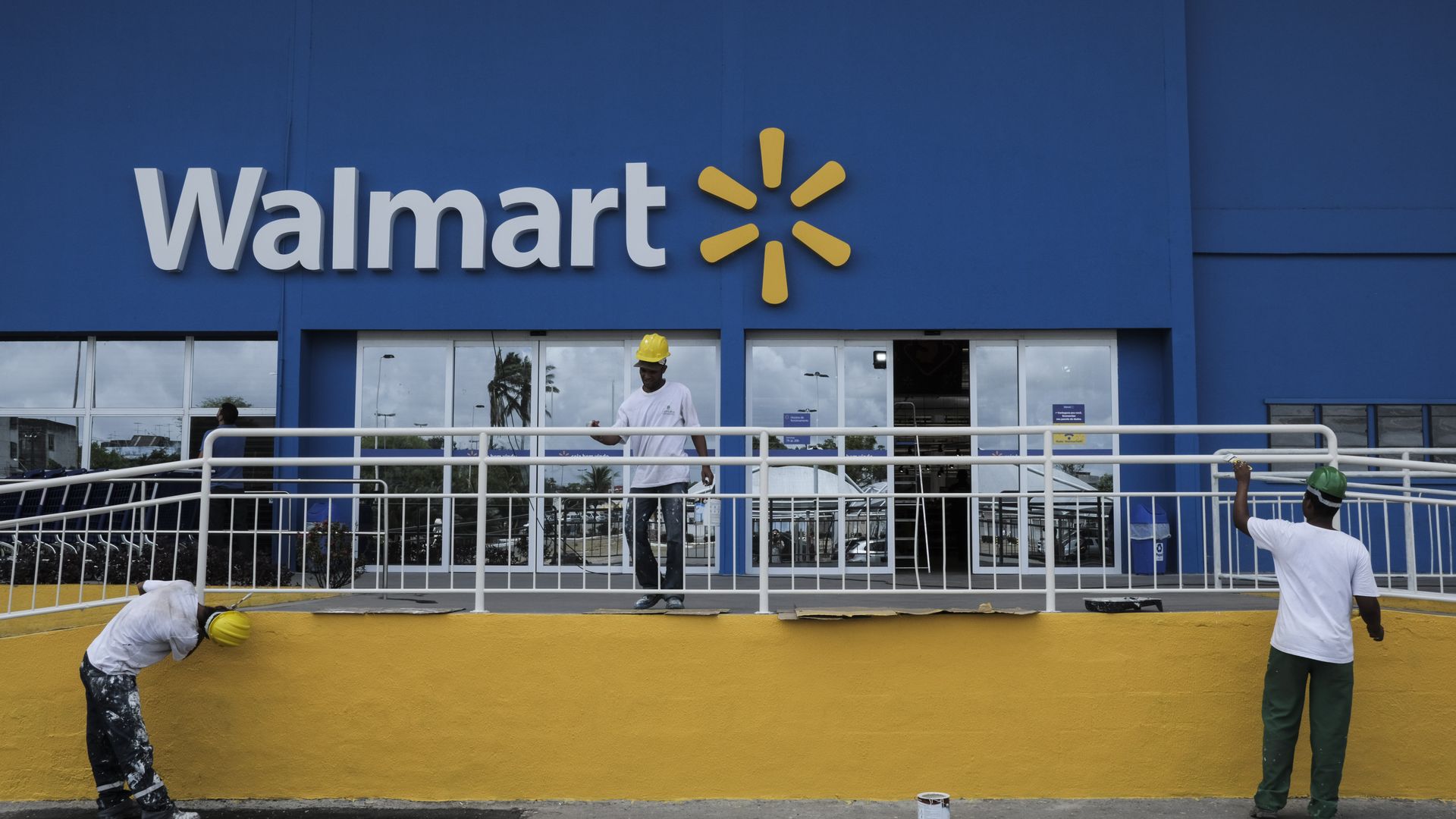
Walmart is writing a check for $282 million to settle an investigation into its questionable business practices overseas, including bribing Brazilian and Mexican officials for permits, reports AP.
Why it matters: The civil and criminal allegations have negatively impacted Walmart's reputation as the company had to deal with investor lawsuits, and spend millions on compliance, says the New York Times. The U.S. Securities and Exchange Commission and Department of Justice have indicated this has been one of the largest investigations under the Foreign Corrupt Practices Act, which prevents American companies from bribing foreign officials, according to the Times.
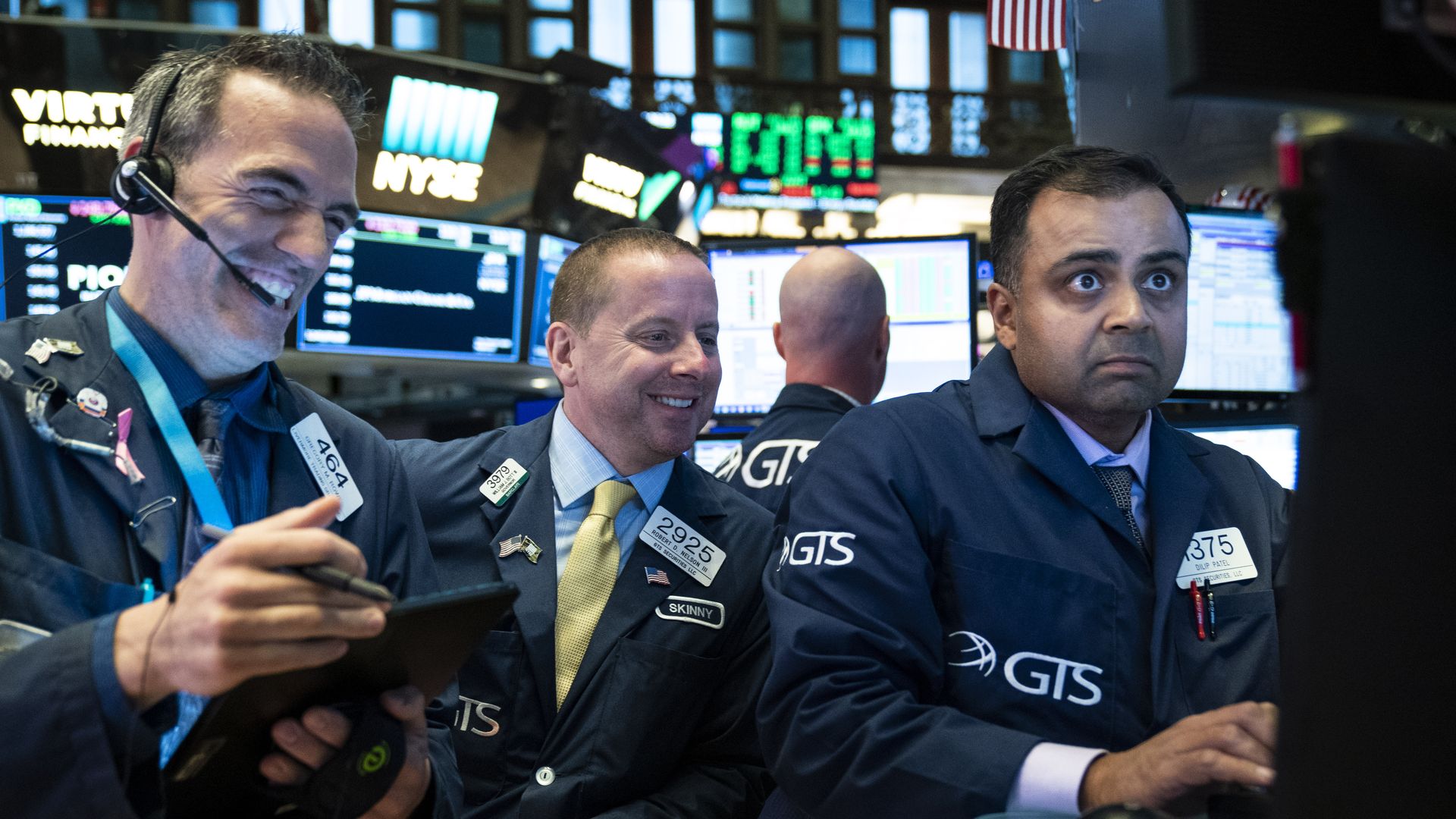
The S&P 500 closed nearly 1% higher on Thursday, topping the previous closing record set back in April, while the Dow Jones Industrial Average rose 250 points and the Nasdaq ended 0.80% higher. Bond yields hit multi-year lows as more investors piled into U.S. treasuries.
Why it matters: As far as equities are concerned, the prospect that the Federal Reserve may cut interest rates outweighs any fears about the escalating trade tensions that spooked markets in recent weeks. The bond market, however, is signaling more concern that a Fed cut could indicate problems ahead for the U.S. economy.
Argentina's economy is falling apart, further evidenced by its second straight quarter of negative GDP growth, but no one has bothered to tell its Merval stock index, which has risen almost 18% in June and 32% year to date.
The big picture: The country is firmly in a recession, but analysts say the improved prospects of market-friendly President Mauricio Macri, who has overseen the country's "Macrisis," winning re-election are buoying the market this month.
While China's most well-known equity indexes have underperformed this year, its onshore stocks — so-called A-shares — have driven returns well above the U.S. and index maker MSCI's all-world stock index.
What it means: The A-shares are primarily domestic companies and therefore less exposed to the U.S.-China trade war.