Trump's ballroom costs are rising. What we know about the secret underground bunker

Add Axios as your preferred source to
see more of our stories on Google.
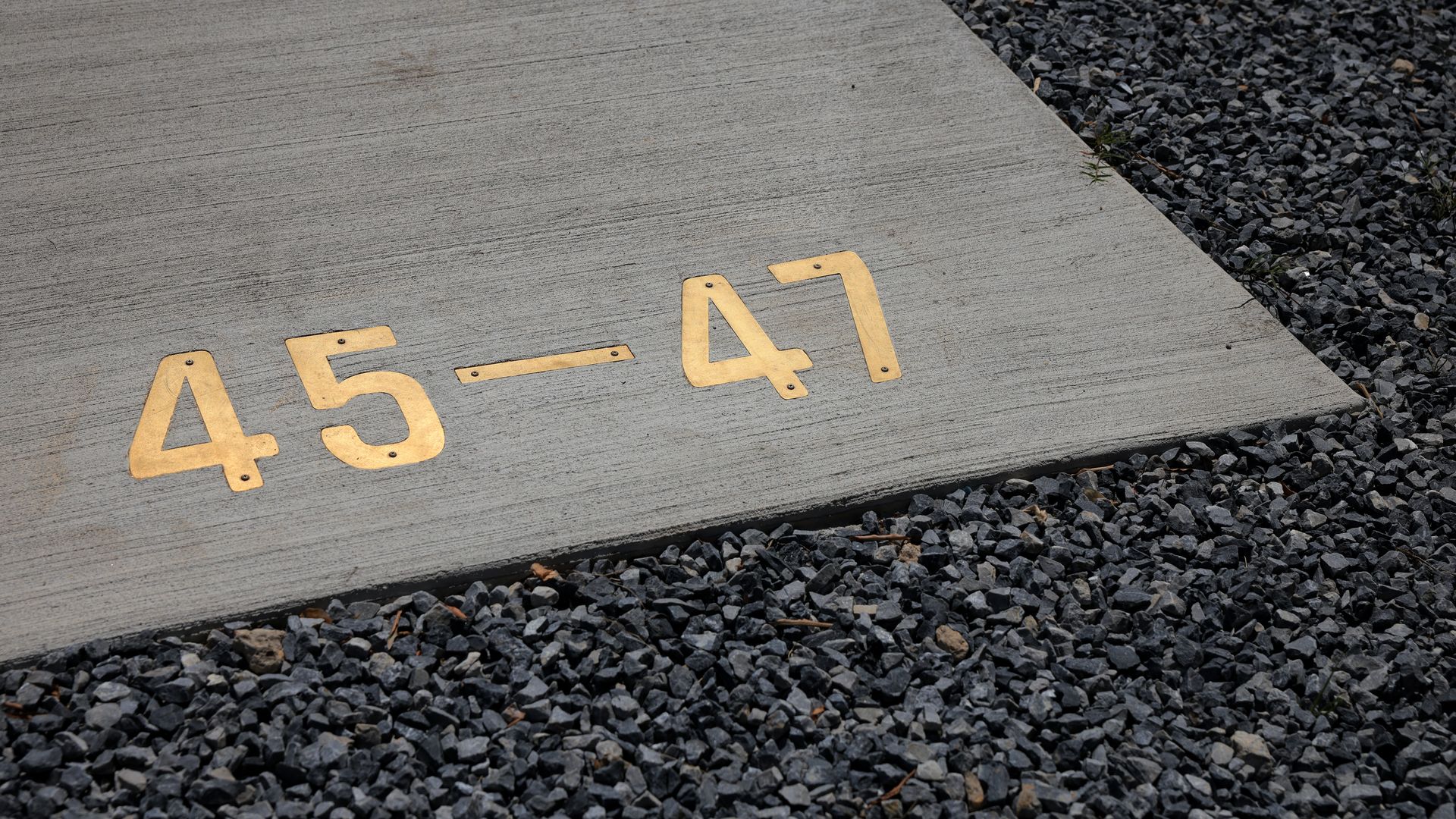
The numbers "45-47" are embedded in a sidewalk leading to construction of President Trump's White House ballroom in Washington, D.C., on May 19. Photo: Chip Somodevilla/Getty Images
The development costs of President Trump's White House ballroom keep rising — as does speculation about what the finished project, including its underground complex, will look like.
The big picture: Trump's ballroom project is more than a simple remodel of the East Wing. It's a complete overhaul featuring what appears to be a military-grade underground bunker, meant to protect and secure the president.
- The project remains in legal limbo after a federal appeals court ruled in August that Trump's ballroom plans need congressional approval. Trump said he plans to ask the Supreme Court to overturn the decision.
By the numbers: The ballroom is expected to cost around $600 million — with about half of that coming from taxpayer dollars, The Washington Post reported.
- It's an increase from the White House's initial $200 million estimate, which they said would come from private donors. That amount was later amended to $400 million and then $600 million.
Trump's administration is also planning to spend at least an additional $300 million on other projects around the White House complex, including a helipad, a visitor screening center and changes to the Rose Garden, the Post reported.
- In May, the Trump administration reportedly suggested asking taxpayers for $1 billion for security upgrades across the entire White House campus, though lawmakers seemed unconvinced by the request.
Reality check: Specifics about the ballroom and its underground complex remain unclear, as many of the details remain classified.
- Trump himself has pointed to the "massive complex" being built underneath the ballroom.
Read what we know below.
What we know about the underground bunker

Zoom out: The size of the underground aspect of the projects lacks clarity, though the National Capital Planning Commission's official plan suggests it ranges around 22,000 square feet.
- "The military is building a massive complex under the ballroom, and that's under construction, and we're doing very well," Trump said in April.
- Trump said the complex goes six stories deep and that the ballroom itself features a "drone-proof" roof and a "drone port."
- He also said the bunker will have bomb shelters and medical facilities.
The underground complex mostly aims to modify and potentially replace the Presidential Emergency Operations Center (PEOC), which is a secure underground bunker built during World War II that has been updated over decades.
- The PEOC has been used for short-term shelter for officials. It was used to protect Vice President Dick Cheney and National Security Adviser Condoleezza Rice during the September 11 attacks.
- Trump was protected there too during 2020 protests following the death of George Floyd, per the New York Times.
What the entire ballroom project has
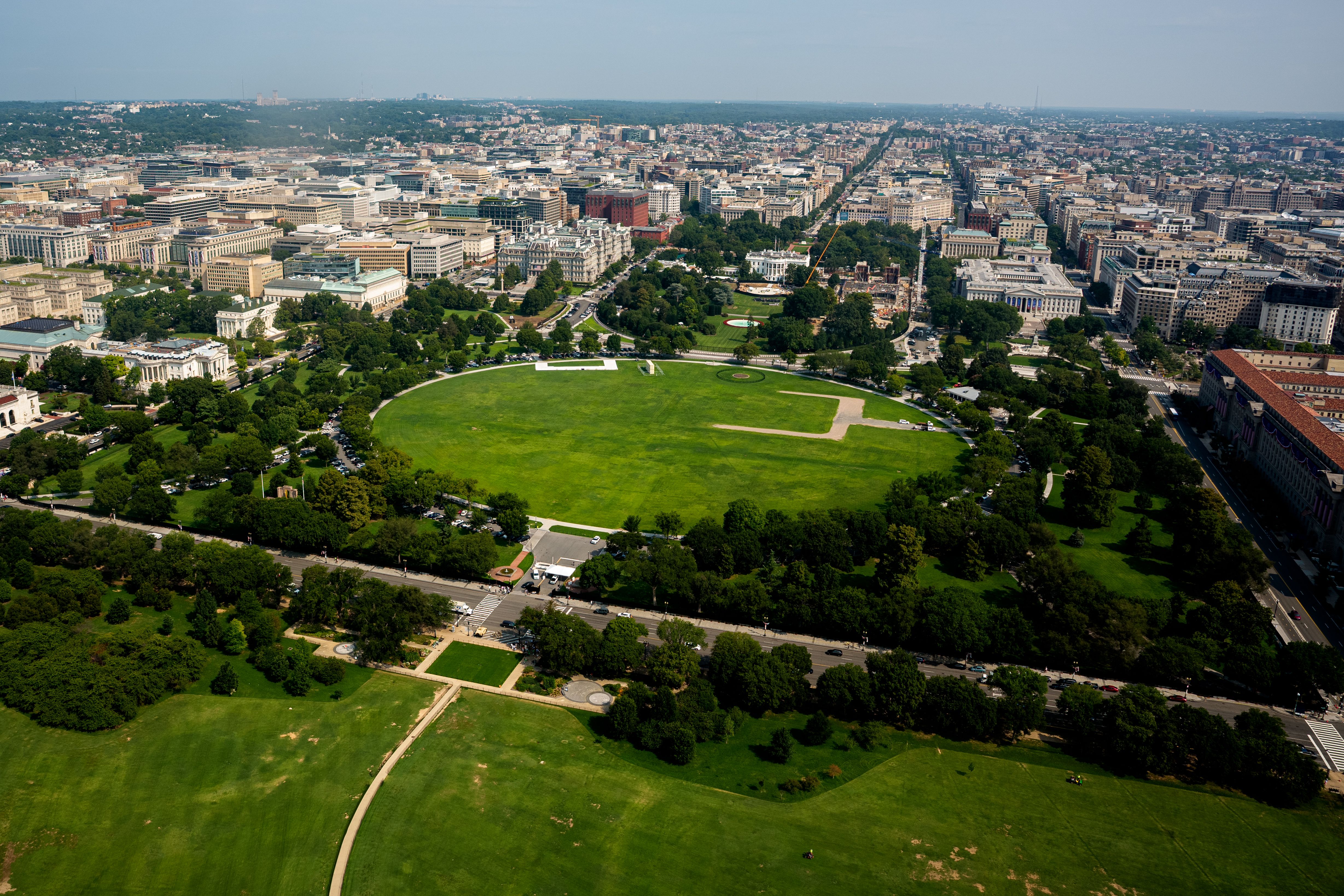
The entire ballroom project includes features that aim to protect the president.
- Specifics about the ballroom project have been spelled out in a lawsuit filed by the National Trust for Historic Preservation against the project's construction.
- The entire facility has "military-grade" vents for air conditioning, hospital and medical facilities, "top secret "military installations, and "bomb shelters," the filing says.
The massive complex has been described in lawsuits as a national security facility.
- The project includes "bunkers, bomb-shelters, and military and medical infrastructure," per the D.C. Circuit.
- Government officials have described the security features as necessary to defend the president from drones, missiles and biohazards, per AP.
Why the White House wants the renovations
What they're saying: "The East Wing Modernization Project is inextricably tied to the security of the President, the White House grounds and the certain security infrastructure assets," Davis Ingle, a White House spokesman, tells Axios.
- The White House has pointed to the foiled attack plot planned for the White House's UFC fight in July and the White House Correspondents Dinner attack as reasons to add security upgrades.
Zoom out: Matthew Quinn, deputy director of the Secret Service, wrote in a court filing in April that the ballroom will help keep the president safe.
- "An above-ground slab and topping structure is needed to ensure that key underground structures with a security purpose are properly protected and strengthened," he wrote.
- "Leaving the project site unfinished imperils the ability of the Secret Service to meet its statutory mission to protect the President."
Go deeper: White House makeover under Trump: See all the proposed changes
Avery Lotz contributed to this report.
