Scoop: Weiss told top "60 Minutes" producers that delayed segment had problems

Add Axios as your preferred source to
see more of our stories on Google.
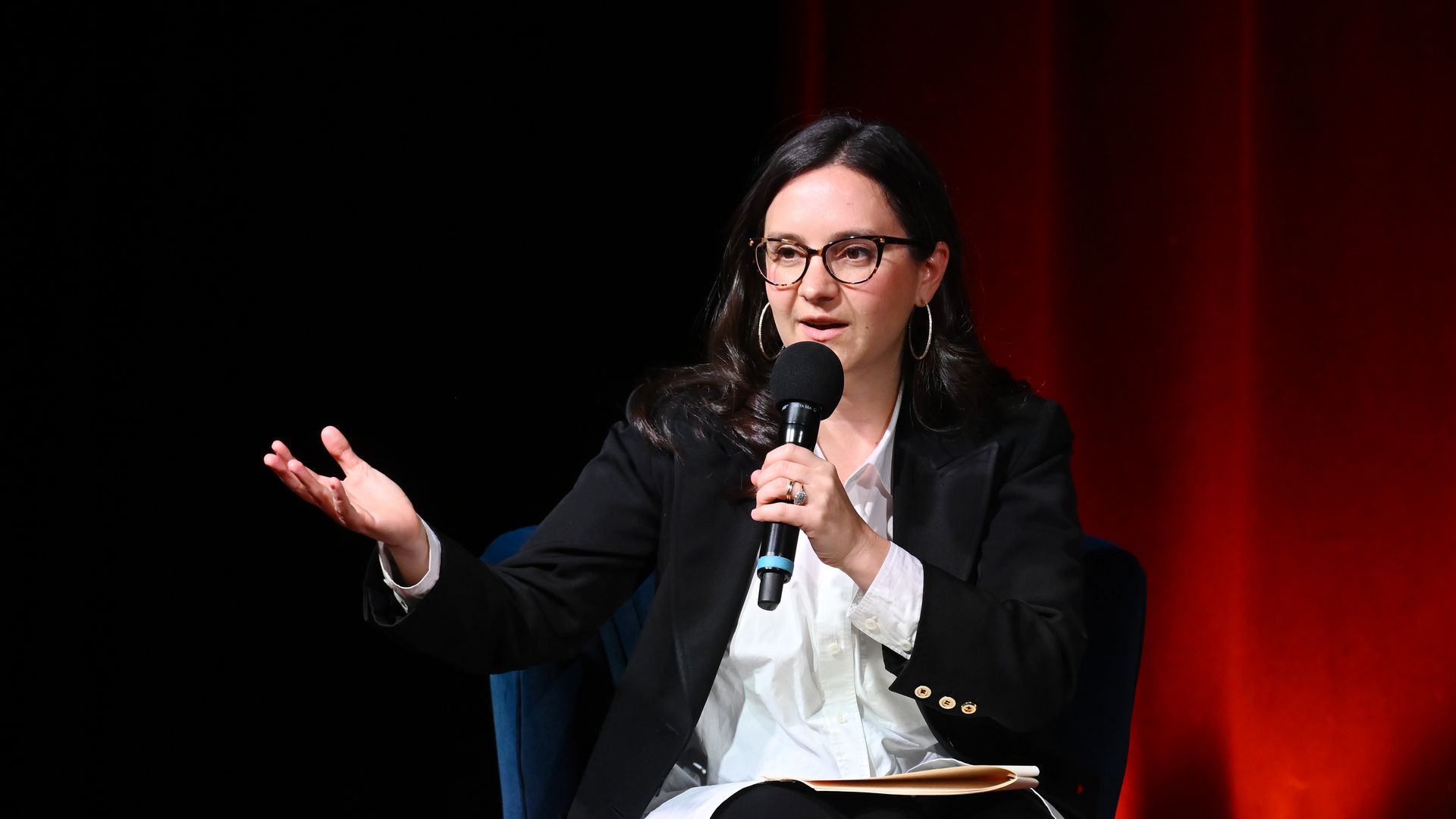
Bari Weiss. Photo: Noam Galai/Getty Images for The Free Press
CBS News editor-in-chief Bari Weiss told top "60 Minutes" producers Sunday afternoon, after pulling a controversial news segment, that the team didn't do enough to get Trump administration officials on the record and that data presented in the piece "paints an incongruent picture."
Why it matters: Her decision has caused uproar internally, with at least one correspondent arguing the call was politically motivated.
- Weiss' note, sent to top "60 Minutes" brass — including executive producer Tanya Simon and executive editor Draggan Mihailovich — indicates she was trying to get ahead of any confusion or controversy internally, before news about the segment change was made public.
Zoom in: Weiss argued the segment — about Trump administration deportations of Venezuelan immigrants to an El Salvador prison — left out comment and perspective from administration officials, according to a copy of the memo obtained by Axios.
- "At present, we do not present the administration's argument for why it sent 252 Venezuelans to CECOT," the memo says.
- "What we have is Karoline Leavitt's soundbite claiming they are evildoers in America (rapists, murderers, etc.). But isn't there much more to ask in light of the torture that we are revealing? Tom Homan and Stephen Miller don't tend to be shy. I realize we've emailed the DHS spox, but we need to push much harder to get these principals on the record."
- On a staff call Monday morning, Weiss continued to defend her decision, arguing the piece wasn't ready, per a source on the call.
Between the lines: Two sources familiar with the situation said the administration did provide comment from different departments in response to inquiries from "60 Minutes" journalists, but that their comments were not included in the draft of the segment first shown to Weiss on Thursday afternoon.
- In an email to her colleagues Sunday, "60 Minutes" correspondent Sharyn Alfonsi said the team "requested responses to questions and/or interviews with DHS, the White House, and the State Department."
- "Government silence is a statement, not a VETO. Their refusal to be interviewed is a tactical maneuver designed to kill the story," she said.
- Alfonsi, CBS News and the White House did not immediately return Axios' requests for further comment Monday morning.
State of play: Weiss' main argument to producers was that not enough context and reporting were included in the segment to provide viewers with an accurate understanding of the administration's point of view.
- "We need to do a better job of explaining the legal rationale by which the administration detained and deported these 252 Venezuelans to CECOT," she wrote in the memo.
- "It's not as simple as Trump invoking the Alien Enemies Act and being able to deport them immediately. And that isn't the administration's argument."
- "The admin has argued in court that detainees are due 'judicial review'—and we should explain this, with a voice arguing that Trump is exceeding his authority under the relevant statute, and another arguing that he's operating within the bounds of his authority. There's a genuine debate here."
Zoom out: One of the key issues prompting the tension between Weiss' decision and staff was the timing and process by which the story was pulled.
- According to two people familiar with Weiss' thinking, the existing framework for how "60 Minutes" shows are produced did not provide sufficient checks and balances to ensure that the reporting met Weiss' standards.
- "60 Minutes" journalists, on the other hand, felt blindsided by the new leadership's assertion that the way they've handled sensitive topics, including having them get approved by standards, was insufficient.
- Weiss never intended to kill the segment entirely, but to delay its broadcast until more reporting was done, sources familiar with her thinking told Axios. But longtime "60 Minutes" staffers took the delay as an effort to deter their reporting for personal political reasons.
Of note: CBS News' parent company Paramount is currently engaged in a contentious hostile takeover battle for Warner Bros. Discovery.
- Paramount has argued its deal has a better chance at regulatory approval than rival bidder Netflix, despite the fact that President Trump has publicly complained about "60 Minutes" since Paramount was acquired by its new leadership in August.
Full text of Weiss' email, obtained by Axios:
Hi all,
I'm writing with specific guidance on what I'd like for us to do to advance the CECOT story. I know you'd all like to see this run as soon as possible; I feel the same way. But if we run the piece as is, we'd be doing our viewers a disservice.
- Last month many outlets, most notably The New York Times, exposed the horrific conditions at CECOT. Our story presents more of these powerful testimonies—and putting those accounts into the public record is valuable in and of itself. But if we're going to run another story about a topic that has by now been much-covered we need to advance it. Among the ways to do so: does anyone in the administration or anyone prominent who defended the use of the Alien Enemies Act now regret it in light of what these Venezuelans endured at CECOT? That's a question I'd like to see asked and answered.
- At present, we do not present the administration's argument for why it sent 252 Venezuelans to CECOT. What we have is Karoline Leavitt's soundbite claiming they are evildoers in America (rapists, murderers, etc.). But isn't there much more to ask in light of the torture that we are revealing? Tom Homan and Stephen Miller don't tend to be shy. I realize we've emailed the DHS spox, but we need to push much harder to get these principals on the record.
- The data we present paints an incongruent picture. Of the 252 Venezuelans sent to CECOT, we say nearly half have no criminal histories. In other words, more than half do have criminal histories. We should spend a beat explaining this. We then say that only 8 of the 252 have been sentenced in America for violent offenses. But what about charged? My point is that we should include as much as we can possibly know and understand about these individuals.
- Secretary Noem's trip to CECOT. We report that she took pictures and video there with MS-13 gang members, not TdA members, with no comment from her or her staff about what her goal on that trip was, or what she saw there, or if she had or has concerns about the treatment of detainees like the ones in our piece. I also think that the ensuing analysis from the Berkeley students is strange. The pictures are alarming; we should include them. But what does the analysis add?
- We need to do a better job of explaining the legal rationale by which the administration detained and deported these 252 Venezuelans to CECOT. It's not as simple as Trump invoking the Alien Enemies Act and being able to deport them immediately. And that isn't the administration's argument. The admin has argued in court that detainees are due "judicial review"—and we should explain this, with a voice arguing that Trump is exceeding his authority under the relevant statute, and another arguing that he's operating within the bounds of his authority. There's a genuine debate here. If we cut down Kristi Noem analysis we'd have the time.
My general view here is that we do our viewers the best service by presenting them with the full context they need to assess the story. In other words, I believe we need to do more reporting here.
I am eager and available to help. I tracked down cell numbers for Homan and Miller and sent those along. Please let me know how I can support you.
Yours,
Bari
Go deeper: Yanked "60 Minutes" episode aired in Canada
