OpenAI's Sora deepfakes of Robin Williams, George Carlin spark outrage

Add Axios as your preferred source to
see more of our stories on Google.
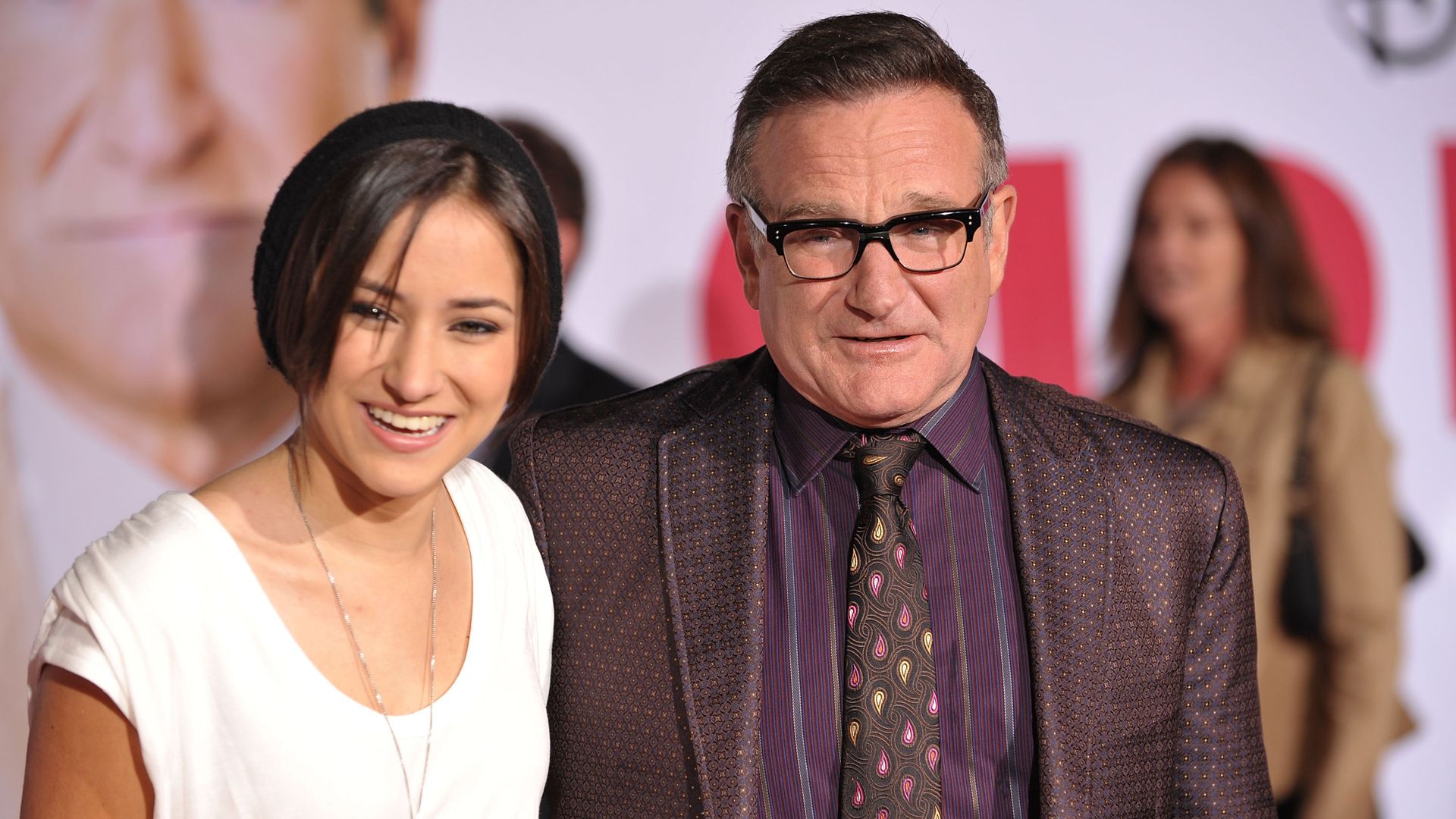
Robin and Zelda Williams at the "Old Dogs" premiere in November 2009. Photo: John Shearer/WireImage
Family members of the late actor Robin Williams and comedian George Carlin urged OpenAI to restrict deepfakes of their loved ones on video-generation platform Sora.
Why it matters: While public figures can opt out of AI-generated videos, the likenesses of the dead are fair game, a loophole their families say desecrates their legacies.
What they're saying: "Please, just stop sending me AI videos of Dad," Robin's daughter Zelda Williams posted on her Instagram stories Tuesday.
- "If you've got any decency, just stop doing this to him and to me, to everyone even, full stop. It's dumb, it's a waste of time and energy, and believe me, it's NOT what he'd want."
- "To watch the legacies of real people be condensed down to 'this vaguely looks and sounds like them so that's enough', just so other people can churn out horrible, TikTok slop puppeteering them is maddening."
- "You're not making art, you're making disgusting, over-processed hotdogs out of the lives of human beings, out of the history of art and music, and then shoving them down someone else's throat hoping they'll give you a little thumbs up and like it. Gross."
The other side: An OpenAI spokesperson told Axios in an email there are "strong free speech interests" in allowing users to depict historical figures.
- "For public figures who are recently deceased, authorized representatives or owners of their estate can request that their likeness not be used in Sora cameos," they said.
- OpenAI did not clarify what counts as "recently deceased."
The big picture: OpenAI released Sora 2 on Sept. 30, letting users create hyperrealistic 10-second videos, following a similar release by Meta, as Axios' Ina Fried previously reported.
- The release helped reignite Hollywood's critiques on AI in entertainment creation, which Zelda Williams previously criticized during the contentious SAG-AFTRA strike in 2023.
Zoom in: George's daughter, Kelly Carlin-McCall, said she gets daily emails about AI videos using her father's likeness.
- "We are doing our best to combat it, but it's overwhelming, and depressing," she wrote in a post on Bluesky.
- Other videos, such as Michael Jackson doing standup comedy, Stephen Hawking doing tricks in his wheelchair or the Rev. Martin Luther King Jr. stumbling through a speech have also made the rounds on social media.
Our thought bubble, from Axios' Megan Morrone: The ownership of our AI likenesses — and those of our dead loved ones — is shaping up to be another big legal battleground for Big Tech.
- Once again, they've taken the "ask forgiveness, not permission" route, just as they did when training their text, video and image models on copyrighted work.
- By opting in dead celebrities for use in Sora, OpenAI is showing families they might be able to monetize the likeness of their dead loved ones indefinitely, with OpenAI taking a cut.
What we're watching: CEO Sam Altman acknowledged in a blog post last weekend that Sora's rapid rollout is subject to change significantly.
- "Please expect a very high rate of change from us; it reminds me of the early days of ChatGPT," he wrote.
- "We will make some good decisions and some missteps, but we will take feedback and try to fix the missteps very quickly. We plan to do our iteration on different approaches in Sora, but then apply it consistently across our products."
Go deeper: ChatGPT and Midjourney bring back the dead with generative AI
