In photos: "Double sunrise" eclipse brings crescent Sun

Add Axios as your preferred source to
see more of our stories on Google.
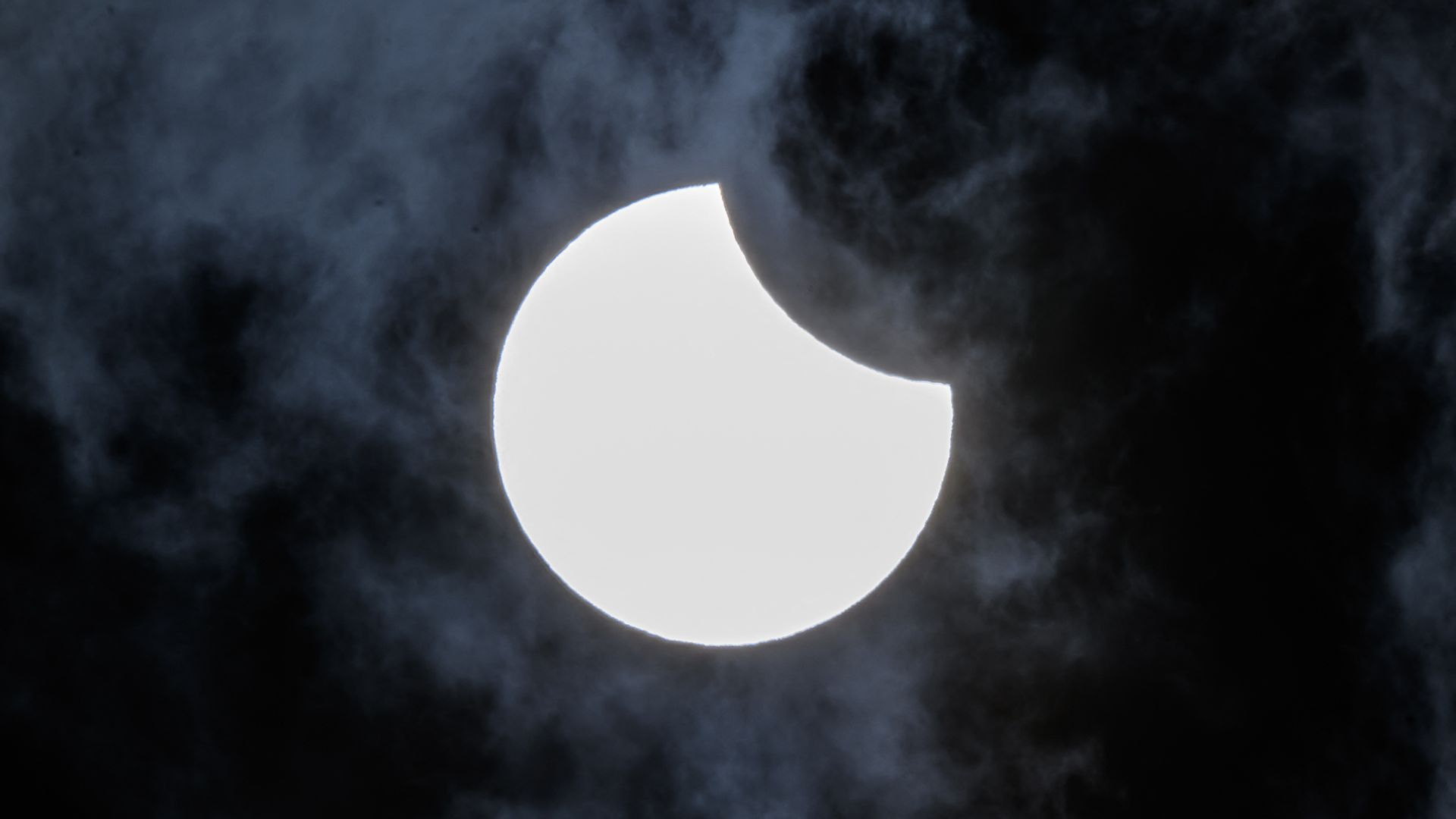
A partial solar eclipse seen from Nantes, Frances on March 29, 2025. Photo: Loic Venance/AFP via Getty Images
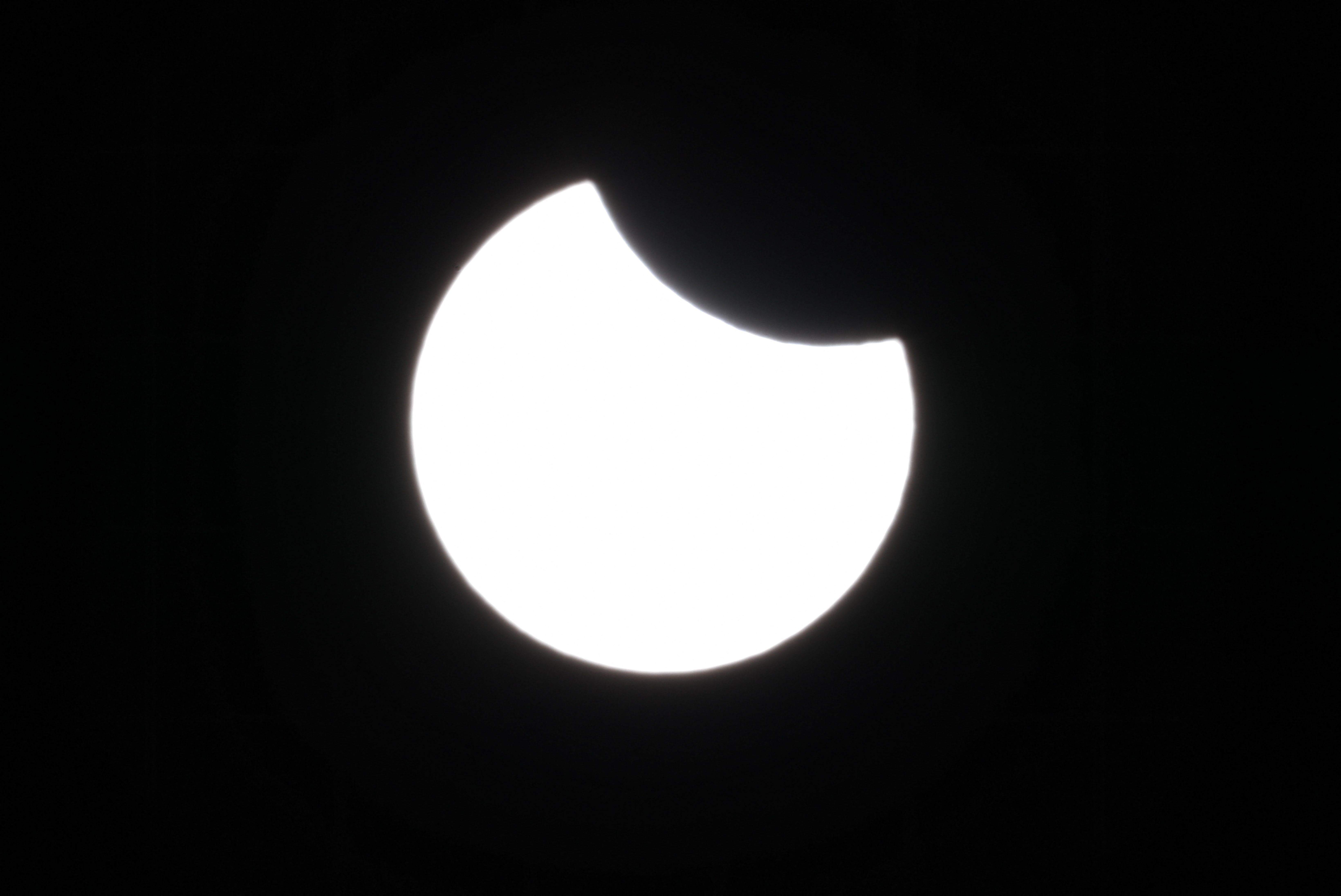
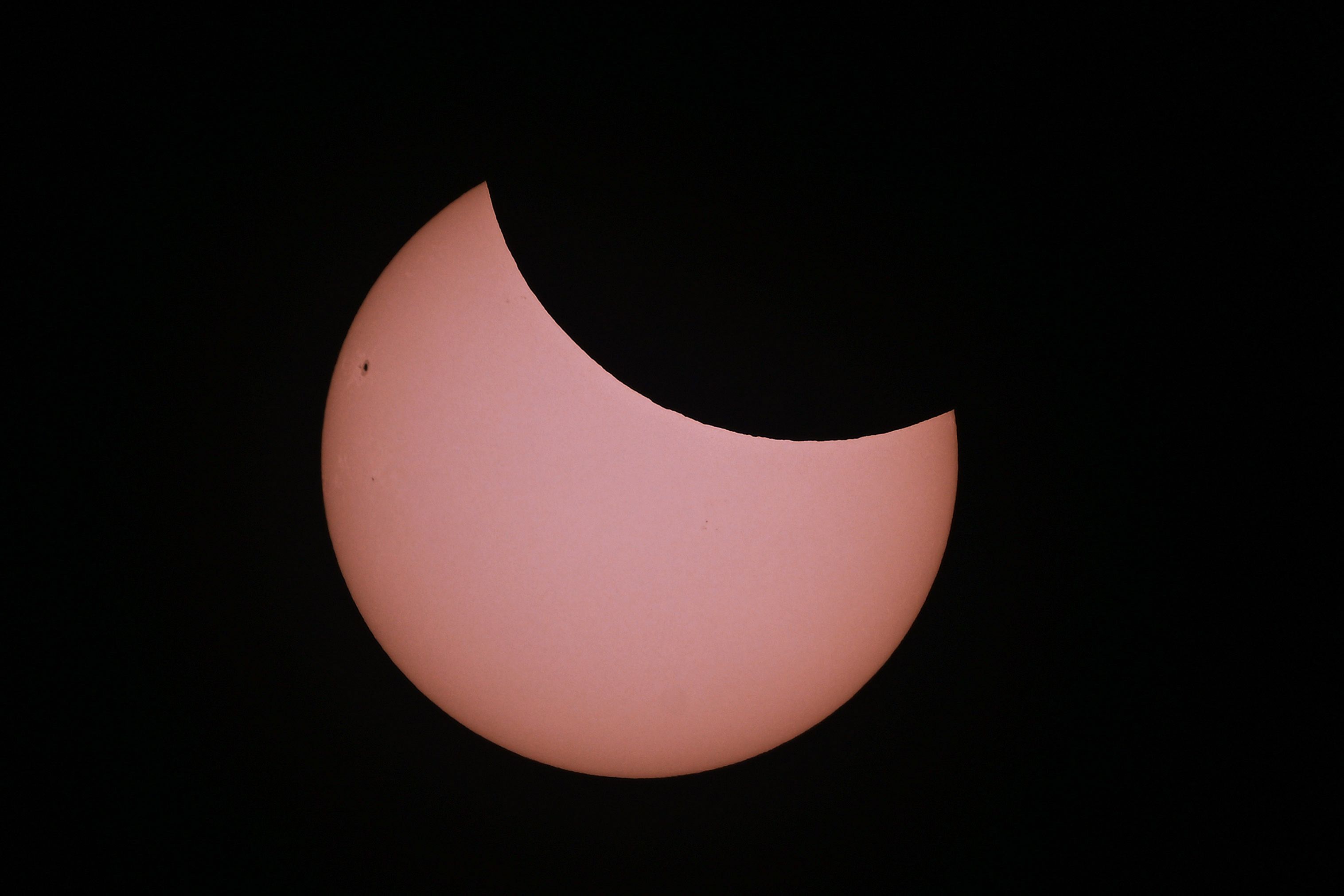
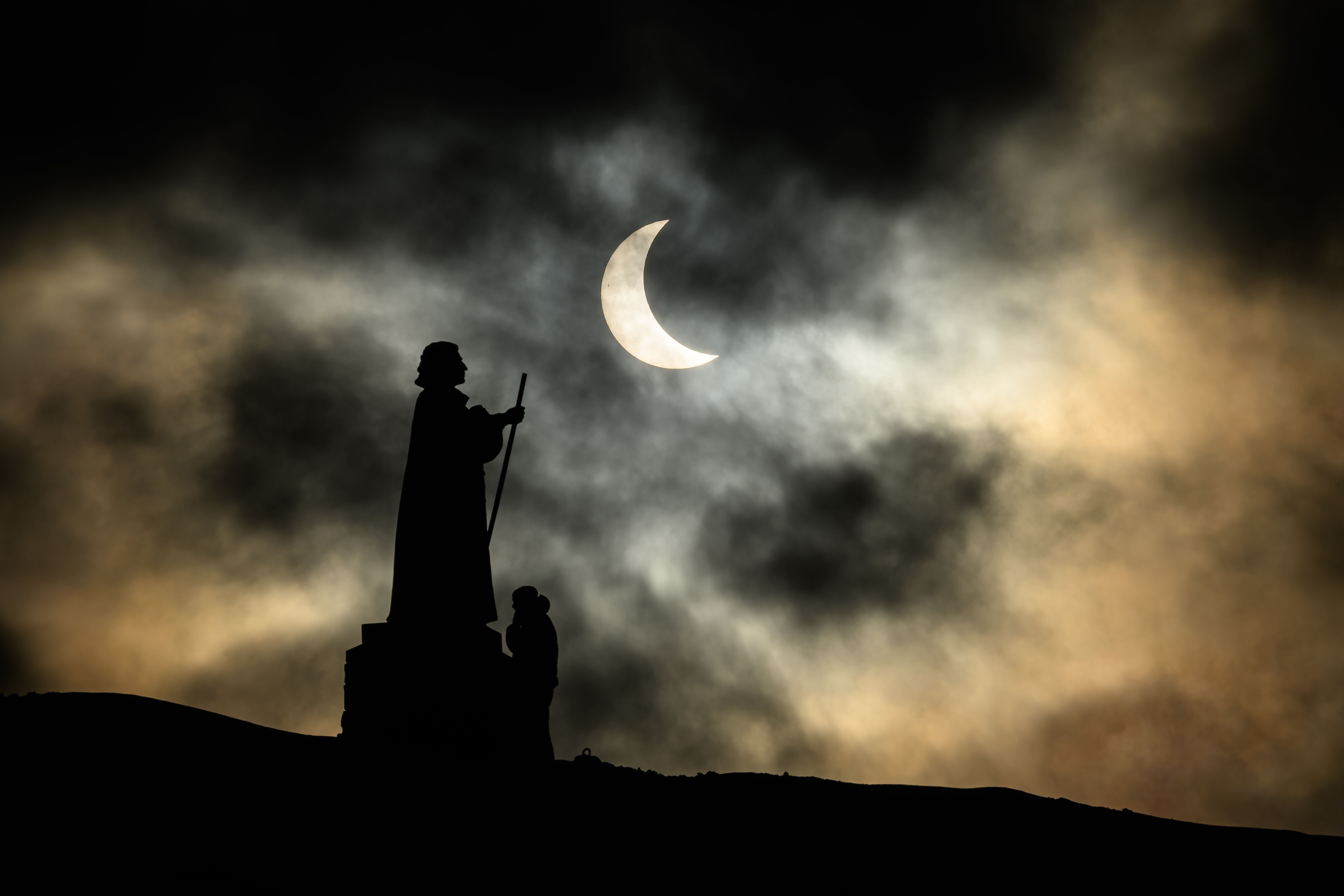
Saturday's partial solar eclipse brought the rare chance to see a "double sunrise" for the northeastern part of the country and around the world.
The big picture: Photos captured Saturday morning showed a crescent-shaped Sun illuminating the sky.
- It's the only solar eclipse visible from the U.S. this year and comes two weeks after the total lunar eclipse.
- Learn more about the March 29 eclipse and double sunrise here.
State of play: Taking a glimpse of the eclipse without the right protective eyewear, like solar eclipse glasses, can cause severe eye injury.
When is the next solar eclipse
What's next: There will be a September 21 partial eclipse that NASA said will be visible from Australia, Antarctica, the Pacific Ocean and the Atlantic Ocean.
- On Feb. 17, 2026, there will be an annular solar eclipse "visible in Antarctica, and a partial eclipse will be visible in Antarctica, Africa, South America, Pacific Ocean, Atlantic Ocean, and Indian Ocean," NASA said.
- On Aug. 12, 2026, a total solar eclipse will be visible in Greenland, Iceland, Spain, Russia, and a small area of Portugal, while a partial eclipse will be visible in Europe, Africa, North America, the Atlantic Ocean, Arctic Ocean and Pacific Ocean.
Next lunar eclipse
Between the lines: The March total lunar eclipse was the last one visible in the United States this year.
- There will be a total lunar eclipse on September 7 that will be visible from Europe, Africa, Asia and Australia.
- A March 3, 2026, total lunar eclipse will be visible from the Americas, Asia, Australia and the Pacific Islands, NASA said.
More from Axios:
