Amid Trump policy changes, the Fed takes the back seat


Add Axios as your preferred source to
see more of our stories on Google.
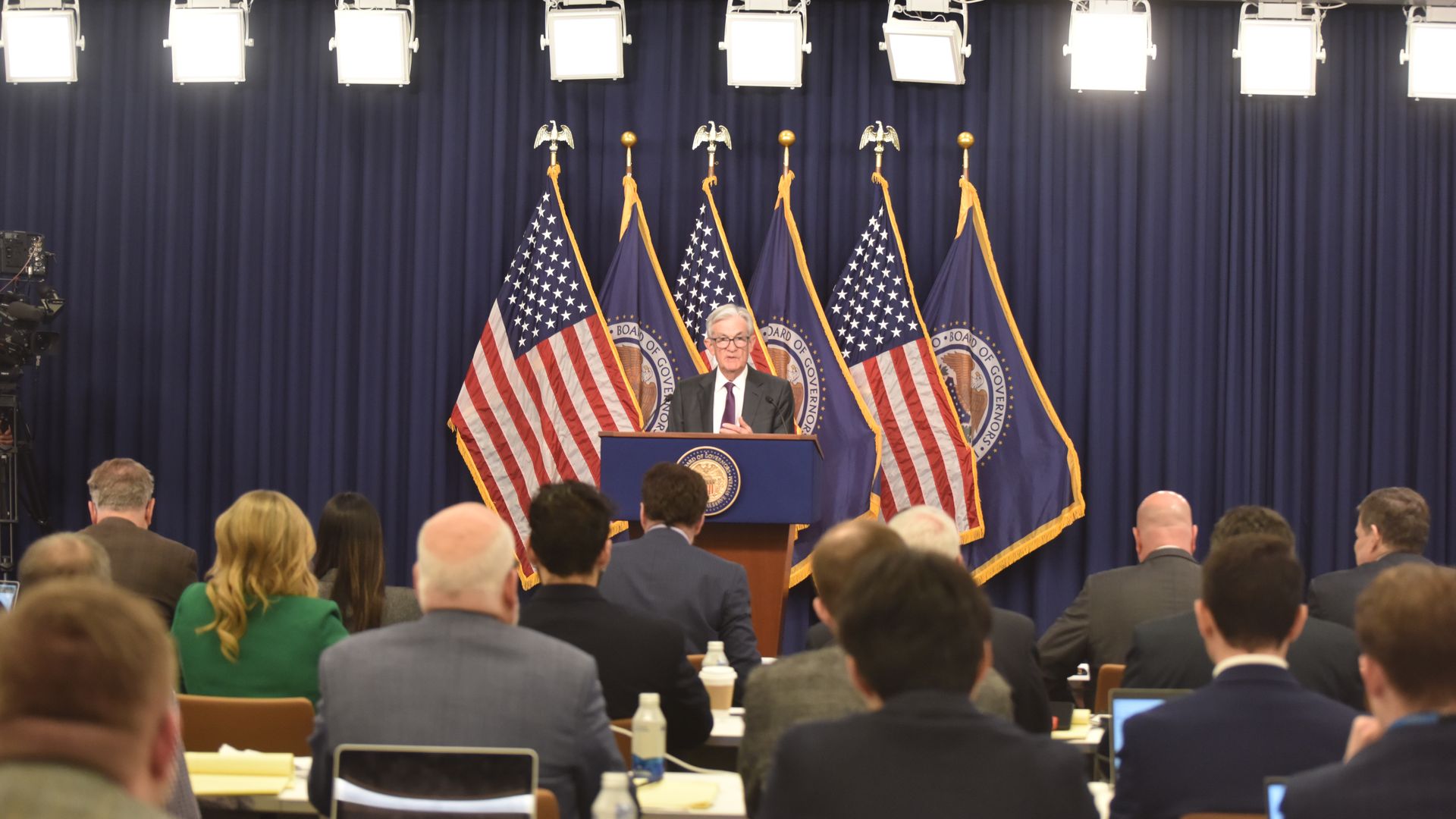
Federal Reserve chair Jerome Powell at a news conference Wednesday in Washington, D.C. Photo: Sha Hanting/China News Service/VCG via Getty Images
The Federal Reserve has been in the driver's seat of America's economic cycles for the last couple of decades. Now it is decidedly in the back seat.
Why it matters: That was clear from Wednesday's Fed communications, which showed the central bank has no special visibility into how a slew of policy changes from the Trump administration will reshape the economy.
- The result Wednesday was policy stasis — the median Fed official still expects two rate cuts this year, just like in December — but with weak conviction that this is where policy is heading.
- "When it comes to changing something in this highly uncertain environment, I think there is a level of inertia where you just say, 'Maybe I'll stay where I am,'" Federal Reserve chair Jerome Powell told reporters.
- "I don't know anyone who has a lot of confidence in their forecast," he said.
Flashback: The Fed was the first responder during the 2008 financial crisis and was the only game in town in trying to keep economic growth steady during the long, gradual expansion that followed.
- In the last three years, the central macroeconomic question has been whether Fed interest rate hikes would succeed in bringing down inflation, and how much collateral damage the hikes would cause along the way.
State of play: Now, the core drivers of the economy are emanating from other parts of the government — the Trump administration's trade policy, spending cutbacks, immigration restrictionism, and deregulation.
- Fed officials have no unique insight into what exactly the administration will do or how it will ripple through the economy.
- Trade wars and deportations amount to negative supply shocks, which the Fed's interest rate policy is ill-suited to counteract, because they imply both slower growth and higher inflation.
By the numbers: Fed officials recorded their formal projections, as they do quarterly, and they contained a whiff of stagflation.
- The median Fed official now anticipates 1.7% GDP growth this year, down from the projected 2.1% in December.
- The unemployment rate is expected to be 0.4 percentage point higher by year-end — a tick worse than December projections.
- Inflation was marked up to 2.7% this year, compared to the previous forecast of 2.5%.
The projections show "modest growth and meaningfully higher inflation, which call for different responses, right? So they cancel each other out. And people just said, 'OK, I'm going to stay here,'" Powell said.
- "What would you write down?" Powell said at one point, almost daring reporters to create their own forecasts.
- "I mean, it's really hard to know how this is going to work out," he said.
