The messy digital evolution of "Saturday Night Live"

Add Axios as your preferred source to
see more of our stories on Google.
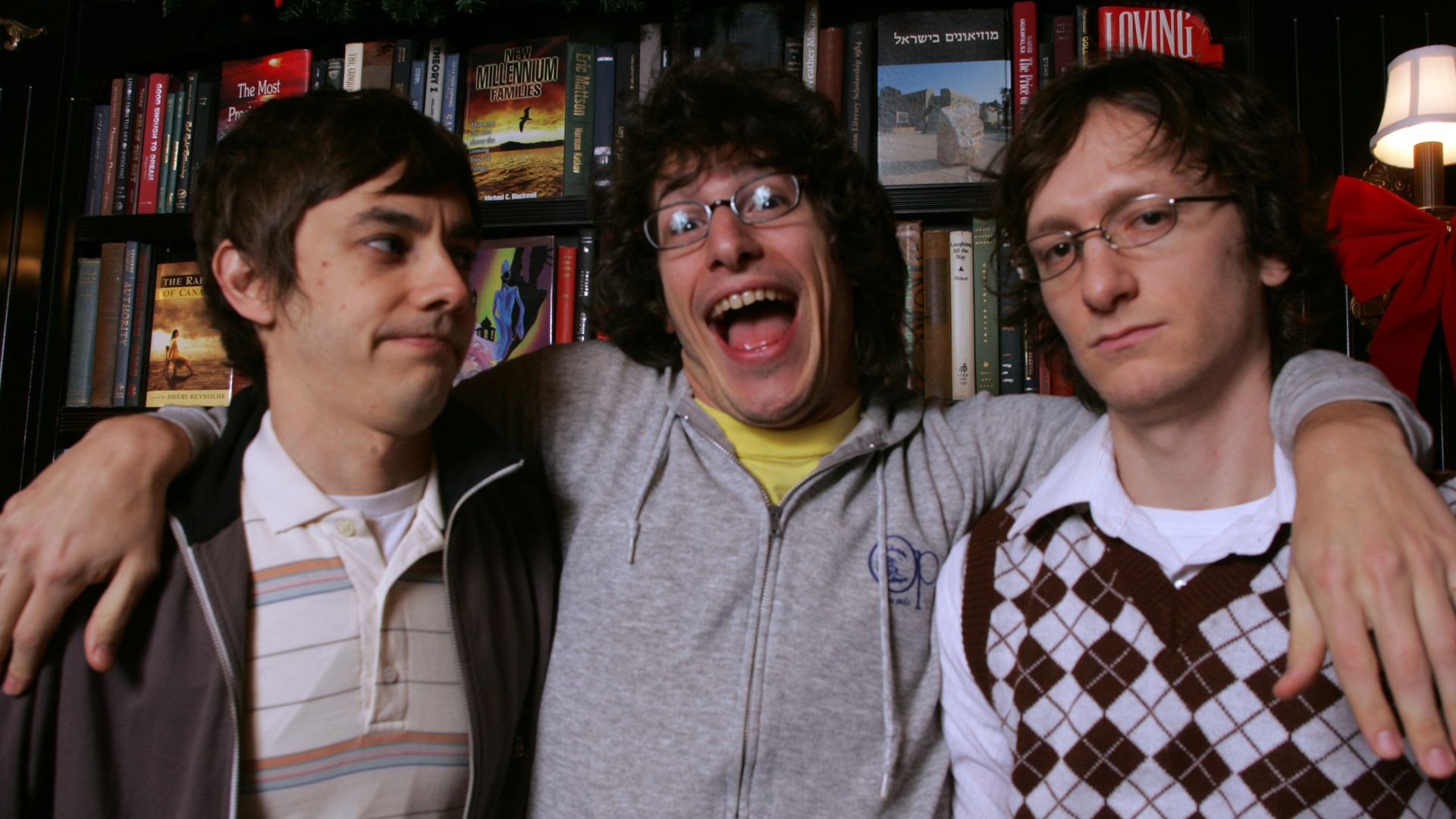
The Lonely Island during their early "SNL" days in 2005. Photo: Fairchild Archive/Penske Media via Getty Images
When "Saturday Night Live" celebrates its 50th anniversary this weekend, it's likely many viewers won't tune into NBC's "SNL50" special at all, instead discovering clips via YouTube or social media.
Why it matters: Late-night TV is a tough business these days, as viewers and revenue continue to decline, but "SNL" has led a shift toward digital, away from its dying time slot.
Flashback: The show's "digital shorts," spurred by the addition of the comedy troupe The Lonely Island in 2005, were its first real foray into the power of viral video. Vulture credits them with helping "SNL" reach "into the age of digital online content in a time when it needed to tap into that relevance more than ever."
- The first "SNL" clip to truly go viral was 2005's "Lazy Sunday," featuring Andy Samberg and Chris Parnell rapping about their day spent eating cupcakes and catching a matinee of "The Chronicles of Narnia: The Lion, the Witch and the Wardrobe."
- Unofficial uploads of the clip on then-upstart YouTube racked up millions of views, forcing NBC to orchestrate one of the first documented mass takedowns of a viral clip, per the New York Times.
- The clip's success led NBC Universal's general counsel to wonder if it had singlehandedly driven YouTube's $1.5 billion sale to Google.
Another digital short featuring Samberg and pop star Justin Timberlake, 2006's "Dick in a Box," spurred a more preemptive strategy from NBC.
- The song's content and language forced the Federal Communications Commission to step in at the last minute to bleep the word "dick" 16 times, Timberlake told The Hollywood Reporter.
- NBC uploaded an uncensored version of the clip after the show aired, apparently the first scripted broadcast comedy attempt to use the internet to circumvent an FCC decision, according to the Times.
The big picture: "SNL" continued to adapt to the times, building its own branded website in 2008 and distributing more of its clips on Hulu and official NBC YouTube channels. In that way, its success in the digital sphere set the tone for other late-night programs.
- HBO's "Last Week Tonight With John Oliver" originally posted clips of the show's main story the following day on YouTube, but switched to a four-day delay last year in an attempt to boost subscribers, which Oliver called "massively frustrating," per Variety.
- "The Late Late Show With James Corden" is no more, but its recurring "Carpool Karaoke" segment, featuring pop stars singing along on a road trip, spun off into its own multiseason series.
The bottom line: The early digital stumbles and experiments from "SNL" helped to form the backbone of how we consume content online in 2025.
