Trump 2.0's health care vision remains vague

Add Axios as your preferred source to
see more of our stories on Google.
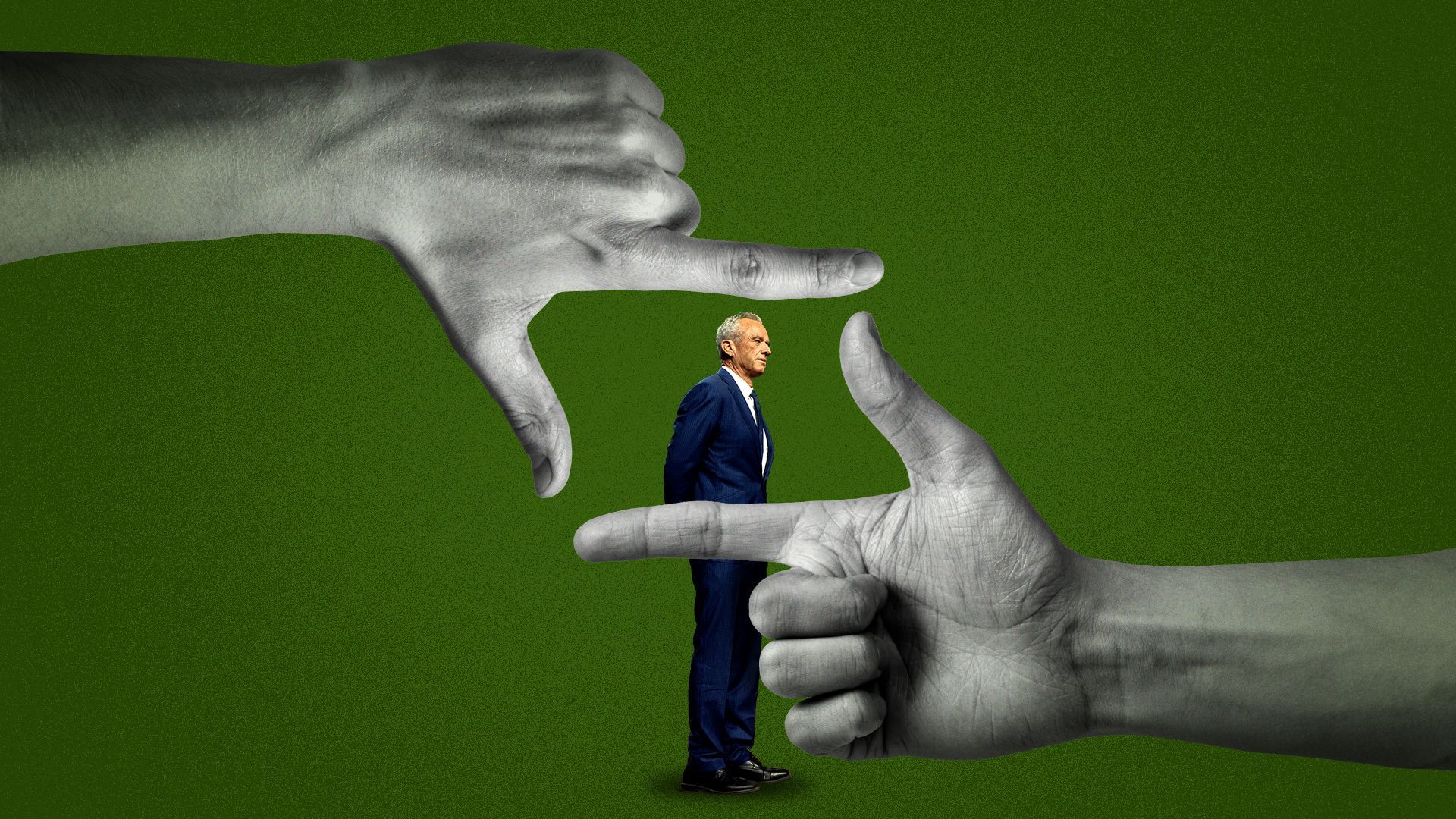
Photo illustration: Allie Carl/Axios. Photo: Rebecca Noble/Getty Images
President Trump has moved into the Oval Office, but his health care agenda — and its impact on the industry — isn't much clearer than it was when he first announced his selection of Robert F. Kennedy Jr. to lead HHS.
Why it matters: The void leaves open the option of both a minimalist and a maximalist approach to policymaking across public health and more nuts-and-bolts health care delivery topics. At this point, it's reasonable for Washington watchers to expect either.
Driving the news: Kennedy will face two confirmation hearings next week. It's pretty obvious what senators will grill him on; what's unclear is his vision for the nation's top health official role beyond "making America healthy again."
- In fact, a lot of what Kennedy and the rest of Trump's team has said in the months since he was nominated is what he won't do — like take away the polio vaccine.
- In meetings on the Hill, he's drastically toned down his vaccine rhetoric compared with his pre-nomination days, Axios Pro's Peter Sullivan reported yesterday.
- Beyond the back-and-forth about Kennedy's vaccine beliefs and intentions, most of the conversation has concerned his controversial past and what he could do if confirmed as HHS secretary.
Where it stands: Trump's headline-grabbing executive orders this week — namely the decision to withdraw from the World Health Organization — were neither surprising nor very indicative as to what will come next on health care, especially outside of the public health realm.
- And while public health is an important topic in its own right, it's generally separate from the health care industries that constitute nearly a fifth of the American economy.
- "We're in this phase where everyone is able to look at data or staff and assume that their best desired outcome is the one that's most likely to occur, and that's a very dangerous position to be in," said Raymond James analyst Chris Meekins, who was also a senior health official in the first Trump administration.
- "The amount of potential outcomes here is significantly broader than what we historically have on the table," he added. "When you're trying to bookend the risk, it's a lot more difficult now because of how wide the bookends are apart."
What they're saying: "The incoming team has developed a much more serious and thoughtful approach to what it wants to do to reform health care programs compared to eight years ago," said Brian Blase, president of Paragon Health Institute, a health official during Trump's first term and the policy lead for the HHS transition team this time around.
The big picture: Kennedy's vow to bring a wrecking ball to public health agencies and break what he views as the health industry's grip on government could easily run against more mainstream Republicans' conviction that large-scale health reform is never going to work in their favor.
- That's reflected in the predictions about what the Trump administration and Kennedy-led HHS will do; it could tinker around the edges or be enormously disruptive to the industry, depending on whom you ask.
A similar dynamic is playing out in Congress. Republican budget hawks' desire to find trillions of dollars in federal spending reductions to offset the extension of tax cuts is running up against that same political conviction.
- And the nomination of government outsiders — many of them critics of the previous administration or the federal bureaucracy — to lead the subagencies within HHS that make trillion-dollar decisions has left plenty of questions about what those agencies will do, too.
Between the lines: If personnel is policy, then Trump's appointments so far signal an eclectic mixture of goals — or a giant incoming clash.
- While the agency head nominees — Kennedy, Mehmet Oz, Marty Makary, Jay Bhattacharya and David Weldon — don't have any prior experience at the agencies they're set to lead, much more experienced (and generally less controversial) policy hands are starting to fill out the positions underneath them.
Reality check: Plenty of major decisions get made by people who work outside of the agencies.
- Heading for White House positions are a couple of staffers from Paragon, which has put forth an ambitious set of health care plans reflecting more traditional GOP values.
