Powell is already protecting Fed's independence from Trump


Add Axios as your preferred source to
see more of our stories on Google.
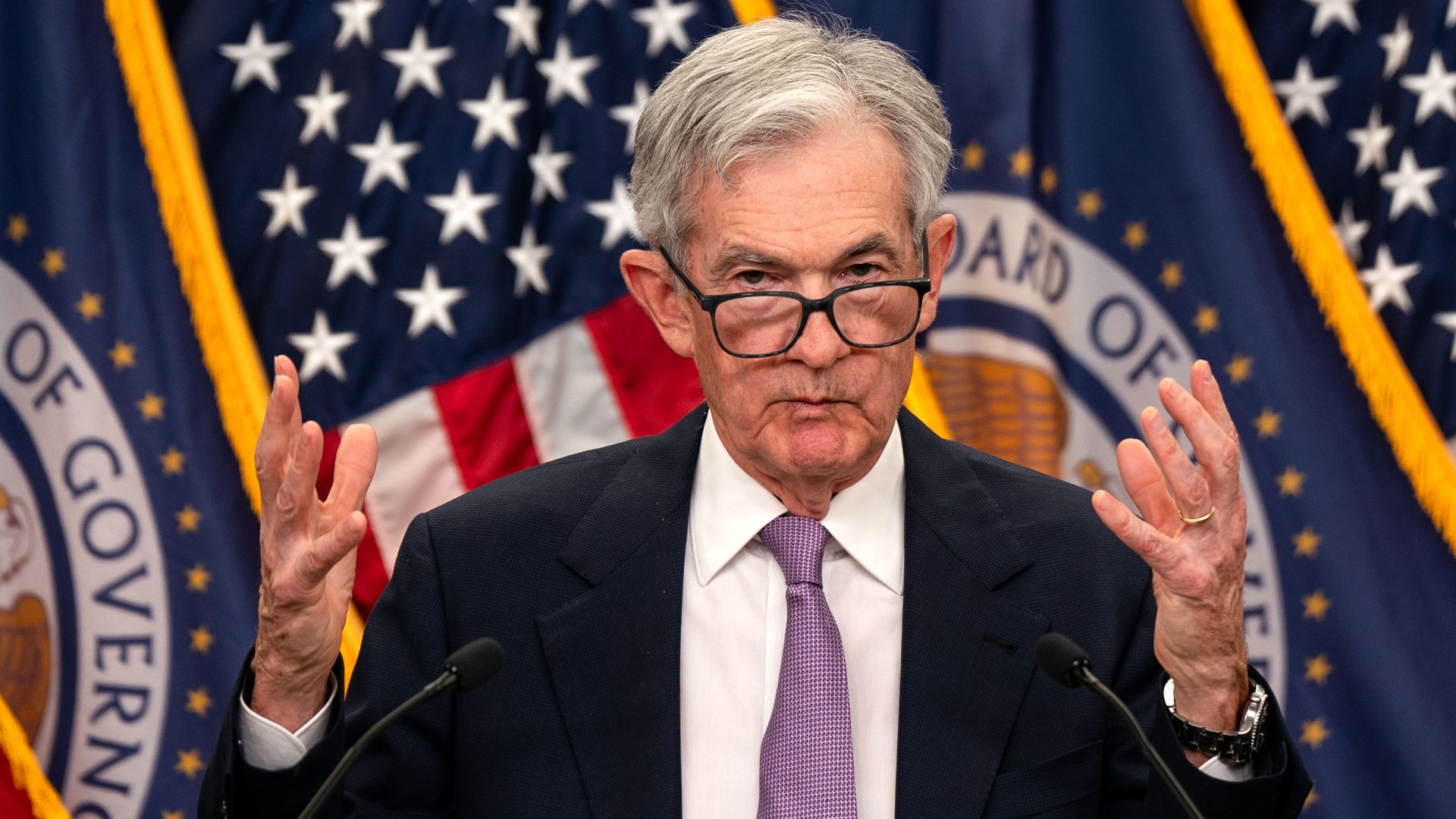
Fed chair Jerome Powell. Photo: Kent Nishimura/Getty Images
The votes aren't all counted yet, but the early jockeying for position on the Fed's future has begun.
Why it matters: Fed chair Jerome Powell said bluntly Thursday he would not step down even if President-elect Trump asked him to, and that it would be illegal for the president to fire or demote a Fed governor.
- Powell is seeking to protect the central bank's distance from politics and maintain long-established norms around its independence — which look likely to be be tested over the coming four years.
What they're saying: Powell's most significant answers at Thursday's press conference were among the shortest.
- When Politico's Victoria Guida asked whether Powell would leave if Trump asked, he responded, "No."
- In response to a question about whether Trump can fire or demote Fed governors, Powell said, with emphasis, "not permitted under the law."
Between the lines: Public comments from Trump and campaign advisers in recent months suggest intentions to impede on the Fed's political independence, with the president-elect saying he should have a say on interest rate decisions.
- Thursday's comments suggest that if Trump attempts to replace Powell before his term expires in May 2026, Powell could fight it in court.
- Trump advisers have also floated trying to fire or replace vice chair for supervision Michael Barr, the Fed's regulatory czar, before his term is up.
Flashback: Trump soured on Powell for raising rates shortly after appointing him to the chairmanship. He called on Powell to cut rates in tweets, and advisers considered the legality of firing a Fed chair.
- In early 2019, Neil asked Powell whether he would resign if then-president Trump asked him to. On that occasion, Powell also answered with a simple "no."
The big picture: The Fed cut interest rates by a quarter percentage point Thursday. A similar move is expected in December, though Powell gave little guidance on how rates will evolve in the coming months — including how Trump's policies will factor into monetary policy.
- "In the near term, the election will have no effects on policy decisions," Powell said. He added that officials did not know specifics of policy and could not predict how it would impact inflation and employment.
- "We don't guess, we don't speculate, we don't assume," Powell said.
The intrigue: The Fed doesn't control longer-term interest rates, so even if Trump installs Fed leadership that abides by his preference for cheaper borrowing, bond markets might push long-term borrowing costs higher.
- "Hopefully Team Trump will recognize it is in the president-elect's interest for the market to trust the Fed will remain independent," economists at Evercore ISI wrote in a note.
- They added that, ironically, protecting the Fed's independence would prevent interest rates "from rising to levels that could threaten his agenda."
The bottom line: Trump will probably have latitude to remake the Fed as he wishes, given multiple governor slots opening up over the course of his term and a healthy Republican Senate majority for confirmation votes the next two years.
- But if he is impatient and tries to move quickly with replacing Fed leadership before their terms expire, he will be in for a fight.
