Auschwitz Museum pressed to speak out on current conflicts

Add Axios as your preferred source to
see more of our stories on Google.
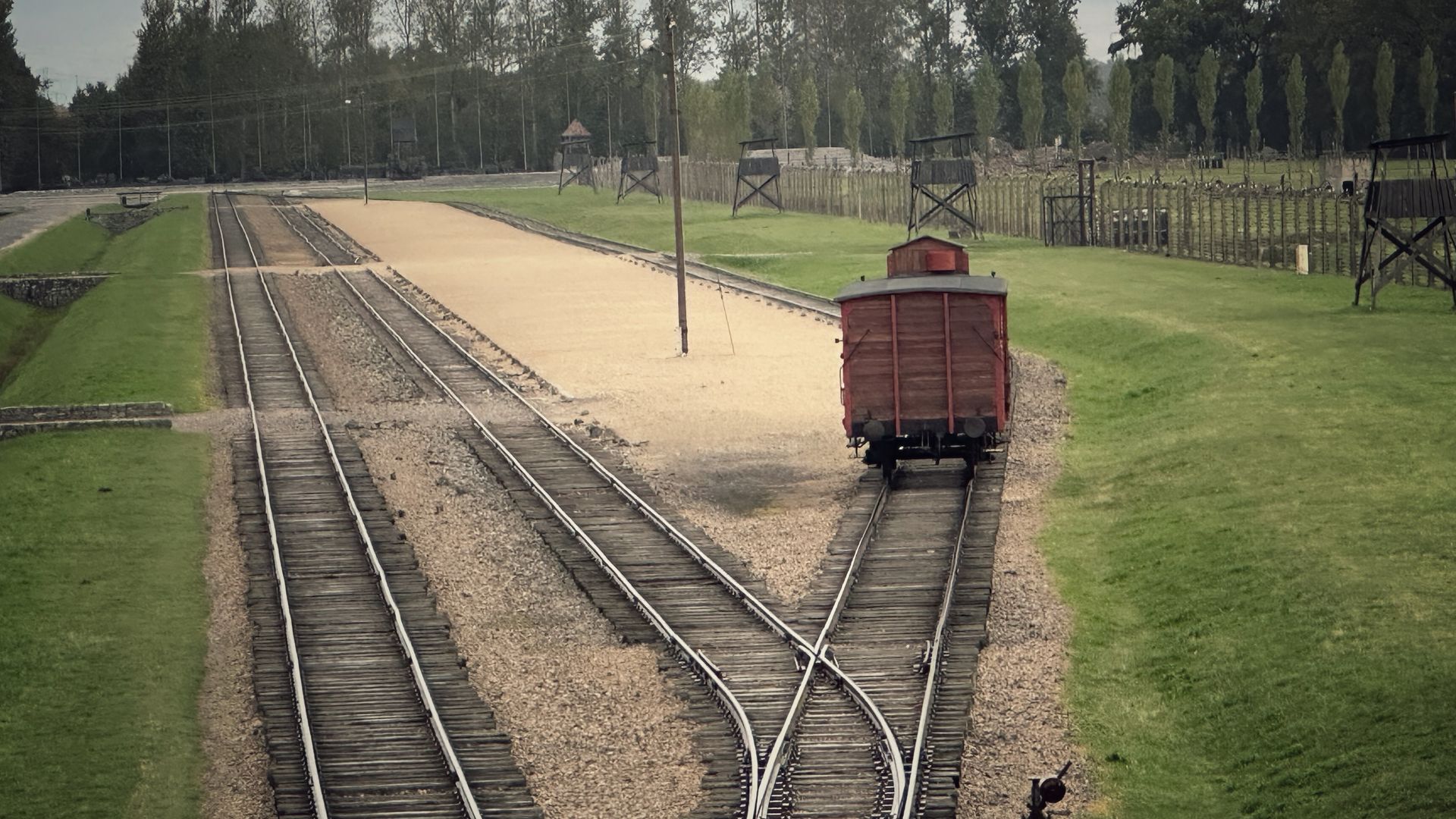
A train sits at the Auschwitz-Birkenau Memorial & Museum on Oct. 9, 2024, next to the site where Jews were selected to be put to death by Nazis in the 1940s. Around a million Jews were killed at Auschwitz. Photo: Russell Contreras/Axios
OŚWIĘCIM, Poland — The Auschwitz-Birkenau Memorial & Museum in Poland is facing pressure to weigh in on contemporary politics and current conflicts around race and ethnicity.
Why it matters: The museum will mark in January the 80th anniversary of the Auschwitz liberation by the Soviet Union as aging Holocaust survivors urge the world to recognize signs of potential genocides and racial violence, but the museum avoids addressing specific conflicts.
The big picture: Museum director Piotr Cywiński told reporters last month at a media summer that, for the most part, he's focusing on the museum's mission of "remembrance," which "has nothing to do with politics."
- "I will not enter politics with Auschwitz in my hand."
Zoom in: Museum deputy spokesman Paweł Sawicki said the museum is constantly asked to speak out on issues like the war in Gaza or former President Trump's call to build a U.S.-Mexico border wall.
- Sawicki said the museum generally avoids jumping in with thoughts on current political events since they are constantly changing.
- He said the museum seeks to educate visitors on Auschwitz and the lessons it leaves for humanity.
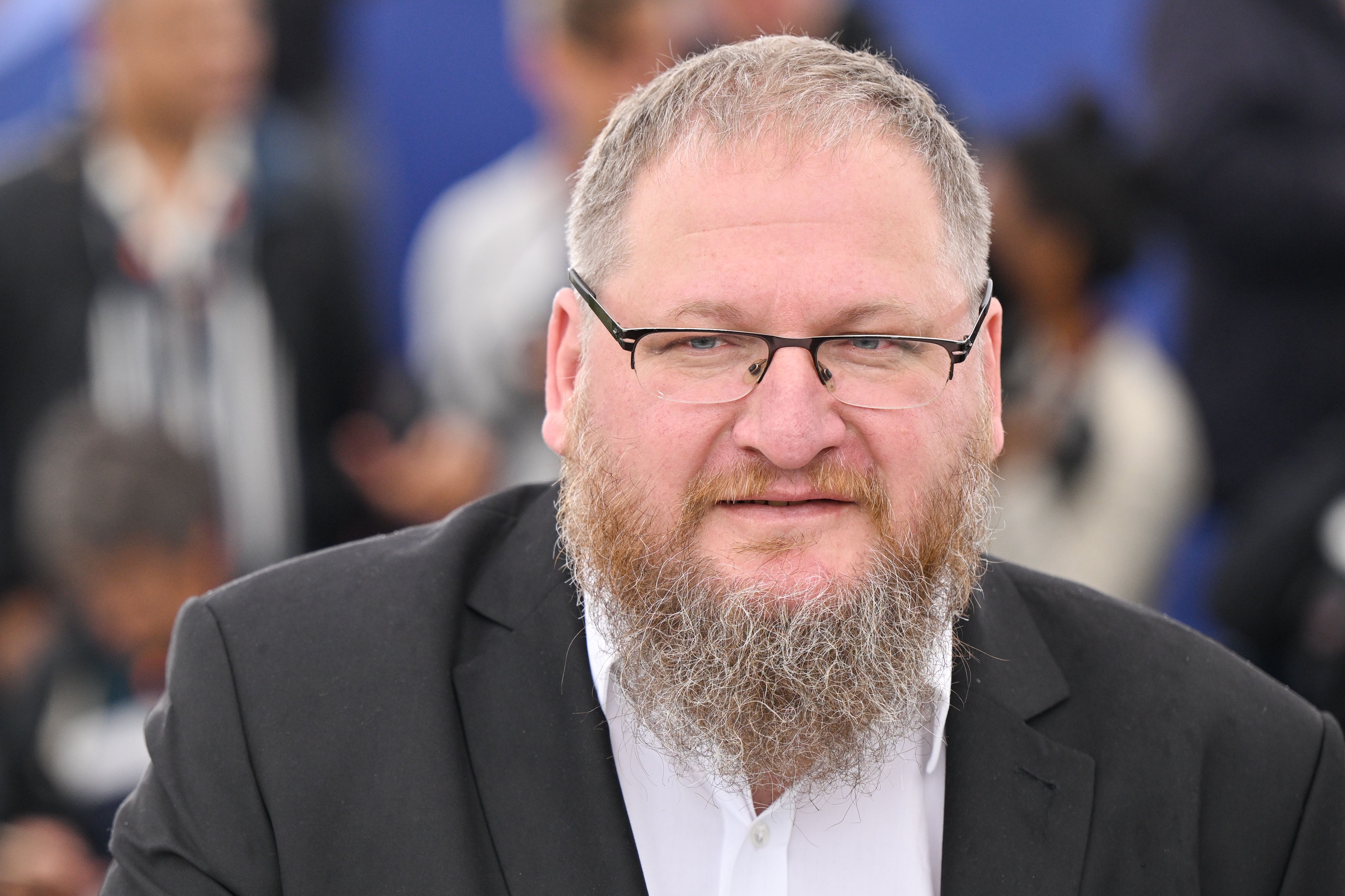
After every guided tour of Auschwitz, guides urge visitors not to be passive bystanders to potential genocides and massive attacks on other humans.
- Sawicki told reporters the museum warns visitors to be on the lookout for any "us versus them" language worldwide.
Yes, but: Cywiński told reporters that sometimes he has to speak out, especially when right-wing populist politicians peddle misinformation.
- "Look (at) Trump who says (migrants) are eating the dogs...you can't deal with anyone who says such things," Cywiński said, referring to Trump repeating a baseless conspiracy theory on Haitian immigrants eating pets in Springfield, Ohio.
- "How can you argue with a politician who is a populist?"
- Cywiński said in the past, politicians would have seen their careers end if they said something like what Trump said, but now such similar remarks appear to go unpunished.
Steven Cheung, a Trump spokesperson, did not return an email from Axios.
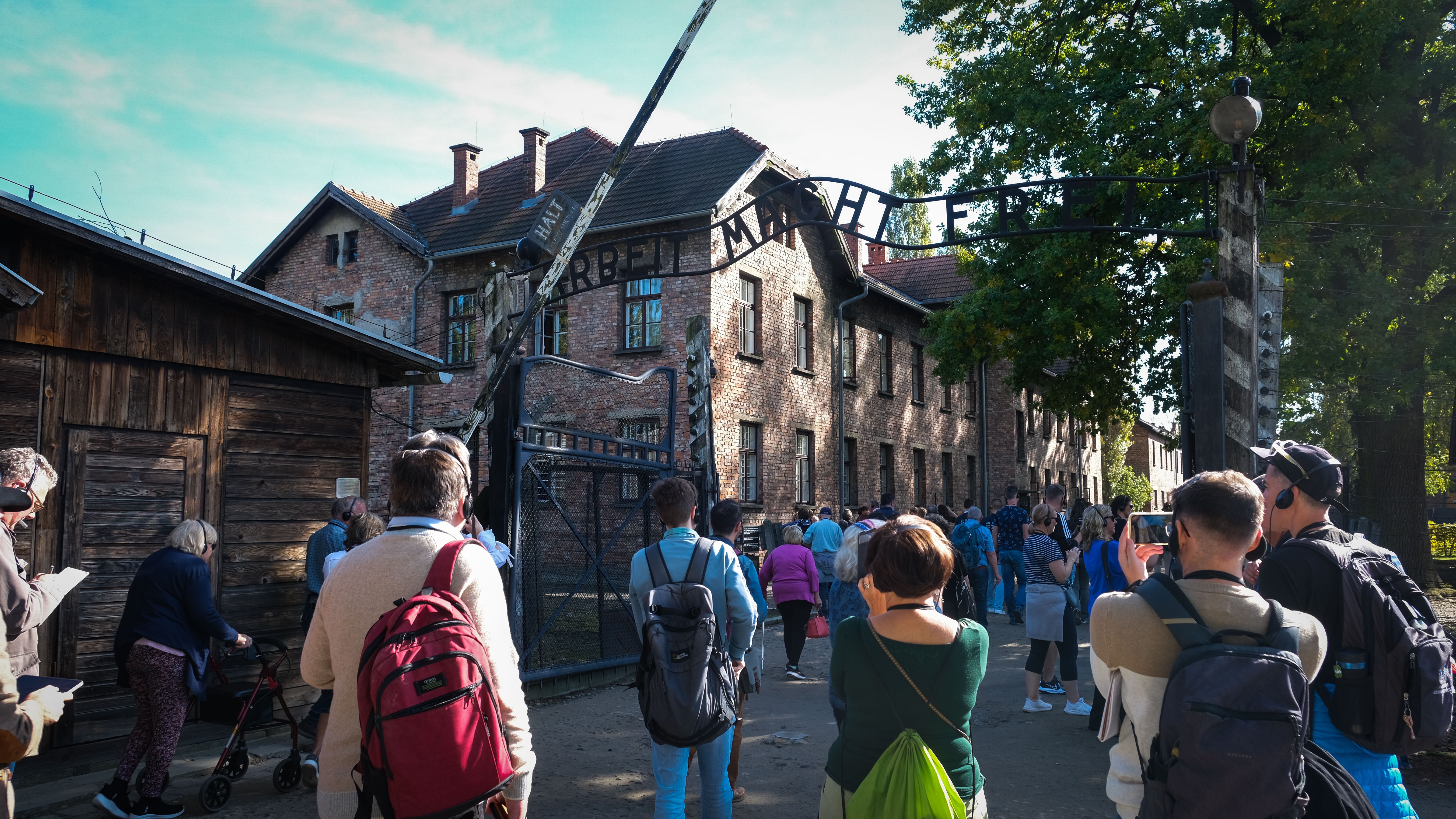
Zoom out: Cywiński brought up Trump after being asked his reactions to recent victories by far right-wing parties in Europe and if he'd let Herbert Kickl, Austria's potential new chancellor, come to the 80th anniversary of liberation in January.
- Like Trump, far-right politician Kickl has unleashed vitriolic rhetoric against political opponents, used (and denied using) Nazi references, and attacked immigrants.
- "He can come, but he won't be heard," Cywiński said, referring to Kickl.
Context: The Auschwitz-Birkenau Memorial & Museum is a Polish-run museum at the site of the former concentration camp and extermination center with gas chambers.
- The Nazi regime murdered more than 1.1 million at the site, most of them Jews.
- Today, the museum gives tours of the facilities as it works on historic preservation to tell the story of the Holocaust. It attracts more than 1.6 million visitors a year.
The intrigue: The social media accounts of the museum in recent years have been more aggressive in challenging elected leaders who equated issues like COVID-19 vaccines with the Holocaust.
- The museum in 2021, for example, called out U.S. Rep. Marjorie Taylor Greene (R-GA) after she tweeted that vaccinated employees getting a vaccination logo was similar to the Nazis forcing Jewish people to wear a gold star.
- The museum also called out U.S. Rep. Clay Higgins (R-LA) in 2017 for recording a personal reflection inside the site's former gas chamber and posting it online. "It's not a stage," the museum posted on X.
