California fires hit air quality as 64 blazes burn in U.S. West


Add Axios as your preferred source to
see more of our stories on Google.
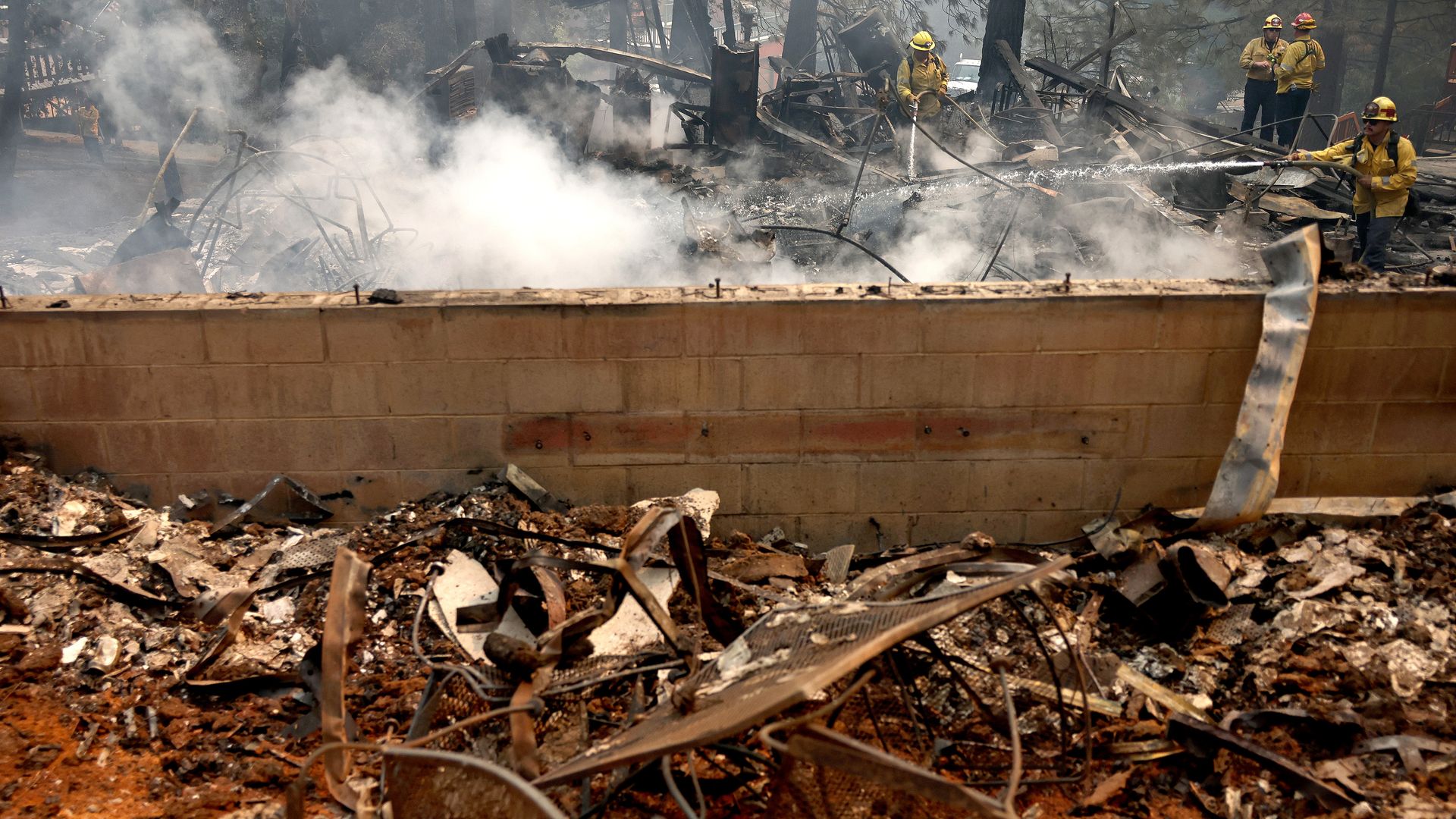
Firefighters spray down the remnants of a destroyed home in Wrightwood, California, on Sept. 11 during the Bridge Fire which ignited in Angeles National Forest. Photo: Mario Tama/Getty Images
Smoke from three huge Southern California wildfires that have forced tens of thousands of people to evacuate was impacting air quality in many places on Thursday.
Threat level: Wetter, cooler conditions were assisting firefighters tackling the blazes, among 64 burning across the U.S. West, but the National Interagency Fire Center noted conditions were still dry in SoCal and the Bridge Fire in Los Angeles and San Bernardino counties was still burning out of control.
- Air quality alerts were issued for counties affected by the fires, including San Diego.
- Evacuation orders were affecting some 34,000 California residents and evacuation warnings were impacting 97,000 others, amid reports of multiple structures razed and dramatic rescues.
State of play: California Gov. Gavin Newsom proclaimed a state of emergency in Los Angeles and San Bernardino counties in response to the Bridge Fire and in Orange and Riverside counties in response to the Airport Fire Wednesday evening.
- At least eight firefighters and two civilians have been injured in the Airport Fire and California's other large blaze, the Line Fire, has wounded three firefighters, according to Cal Fire.
Zoom in: The Bridge Fire that ignited in the Angeles National Forest Sunday grew from some 4,000 acres to over 34,000 acres in Los Angeles and San Bernardino counties within hours Tuesday, per Cal Fire.
- As of Thursday evening, the fire was at 51,791 acres, with 0% containment as it threatened more than 5,700 structures, according to Cal Fire.
- The Airport Fire has razed over 23,400 acres and threatened nearly 22,000 structures in Orange and Riverside counties and was 5% contained, while the still-dangerous Line Fire was burning across more than 37,000 acres at 21% containment Thursday.
- Videos shared on social media Tuesday night showed walls of flames overtaking fire camera sites located upon California hilltops.
- This fire has been burning within the area where homes and businesses border forested areas, known to firefighters as the wildland-urban-interface.
In Nevada, officials warned residents in western Reno to prepare to evacuate as a change in fire weather Wednesday was expected to create a rare, "particularly dangerous situation" that was "a step above a red flag warning" as firefighters tackled the massive Davis Fire, south of the city.
- However, firefighters managed to keep the blaze in check despite winds reaching 40-60 mph on the ridges and the fire that's burned more than 58,200 acres was 37% contained.
Between the lines: UCLA climate scientist Daniel Swain said on X Tuesday that what was unfolding with the Bridge, Airport and Line fires was "remarkable."
- He said climate conditions helped pave the way for the fast-growing blazes in a state that just experienced its hottest summer on record and a historically intense September heat wave.
- Swain singled out the grave situation over the Bridge Fire in particular, where the Bernardino County Sheriff's office on X Tuesday evening urged residents to evacuate "immediately" as the blaze entered the town of Wrightwood after exploding in size.
Zoom out: There are now nine large fires burning across California and two in Nevada, according to the National Interagency Fire Center.
- Oregon has the largest number of big blazes (22), followed by Idaho (21) but cooler, wetter conditions have assisted firefighters in those states.
Context: Climate change is increasing the severity of record wildfires and making heat waves far more likely and intense, research shows.
- Swain said the Bridge Fire is "yet another in a long list of recent examples" of California wildfires doing seemingly "impossible" things, running "clear across San Gabriel Mountains in a single day."
- He noted the "'worst weather/climate sequence'" for SoCal wildfires is very wet conditions (as over past 2 years) followed by record-breaking heat (as we've seen recently) and vegetation drying," adding: "This did not come out of the blue."
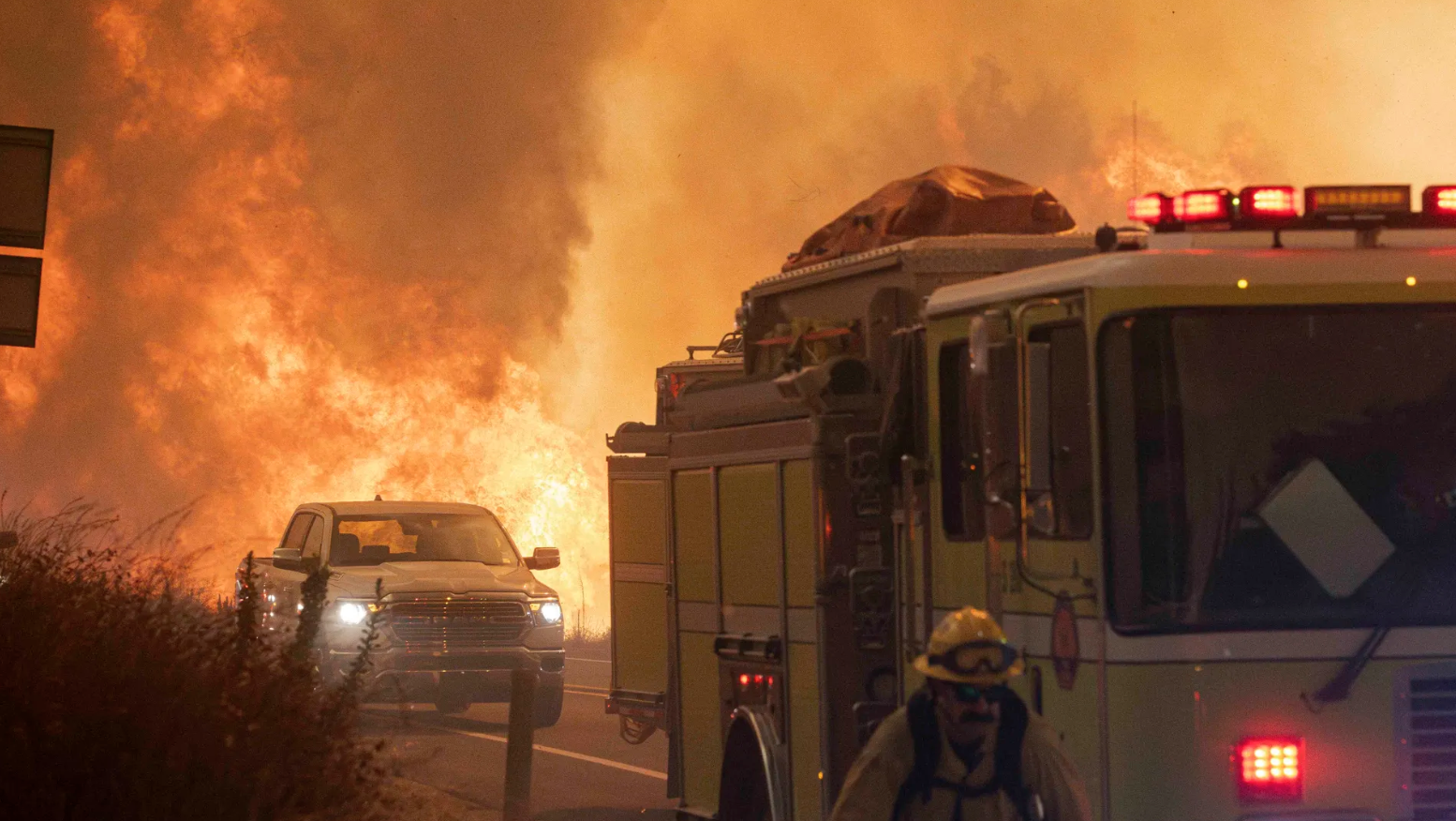
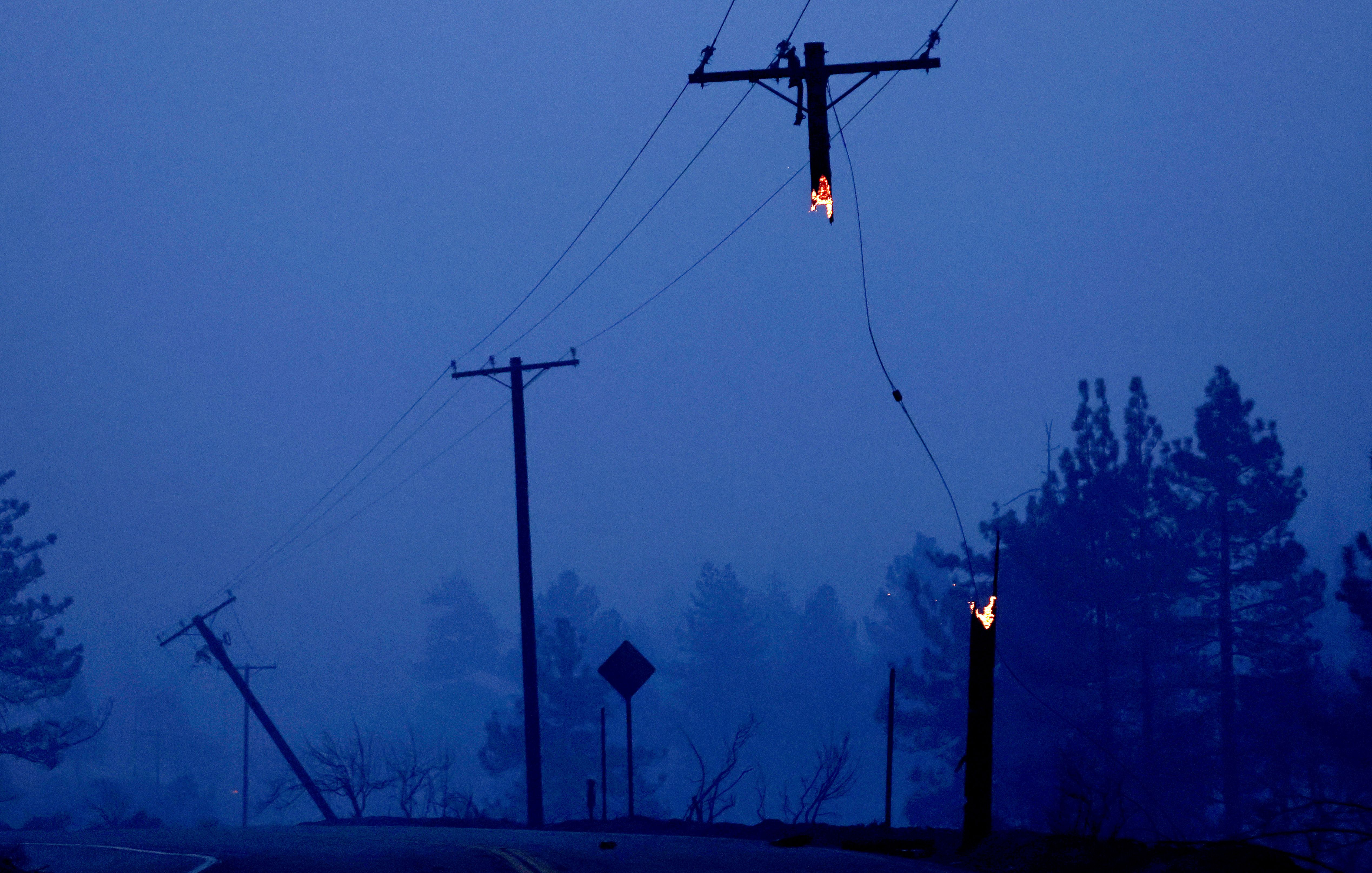
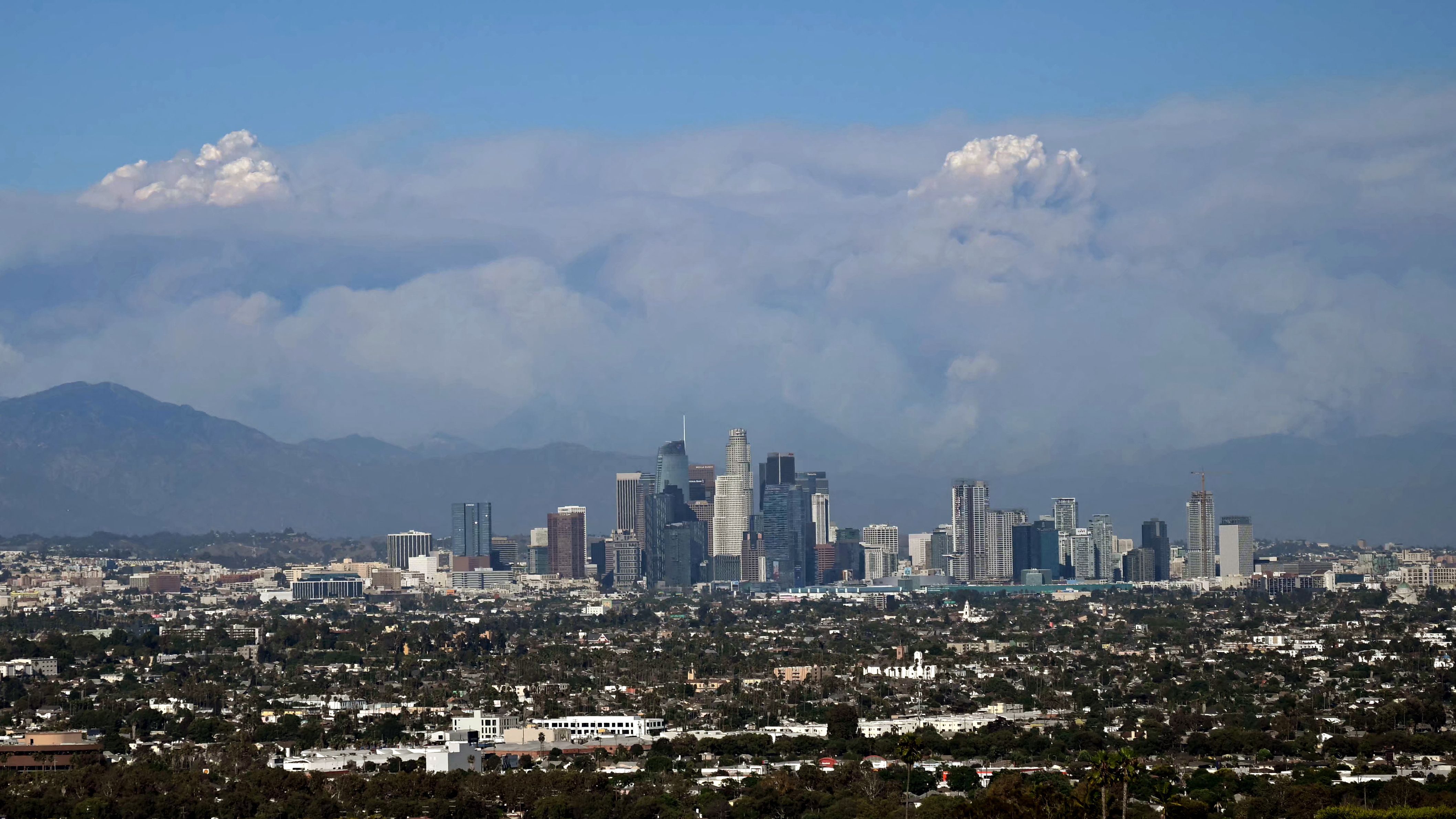

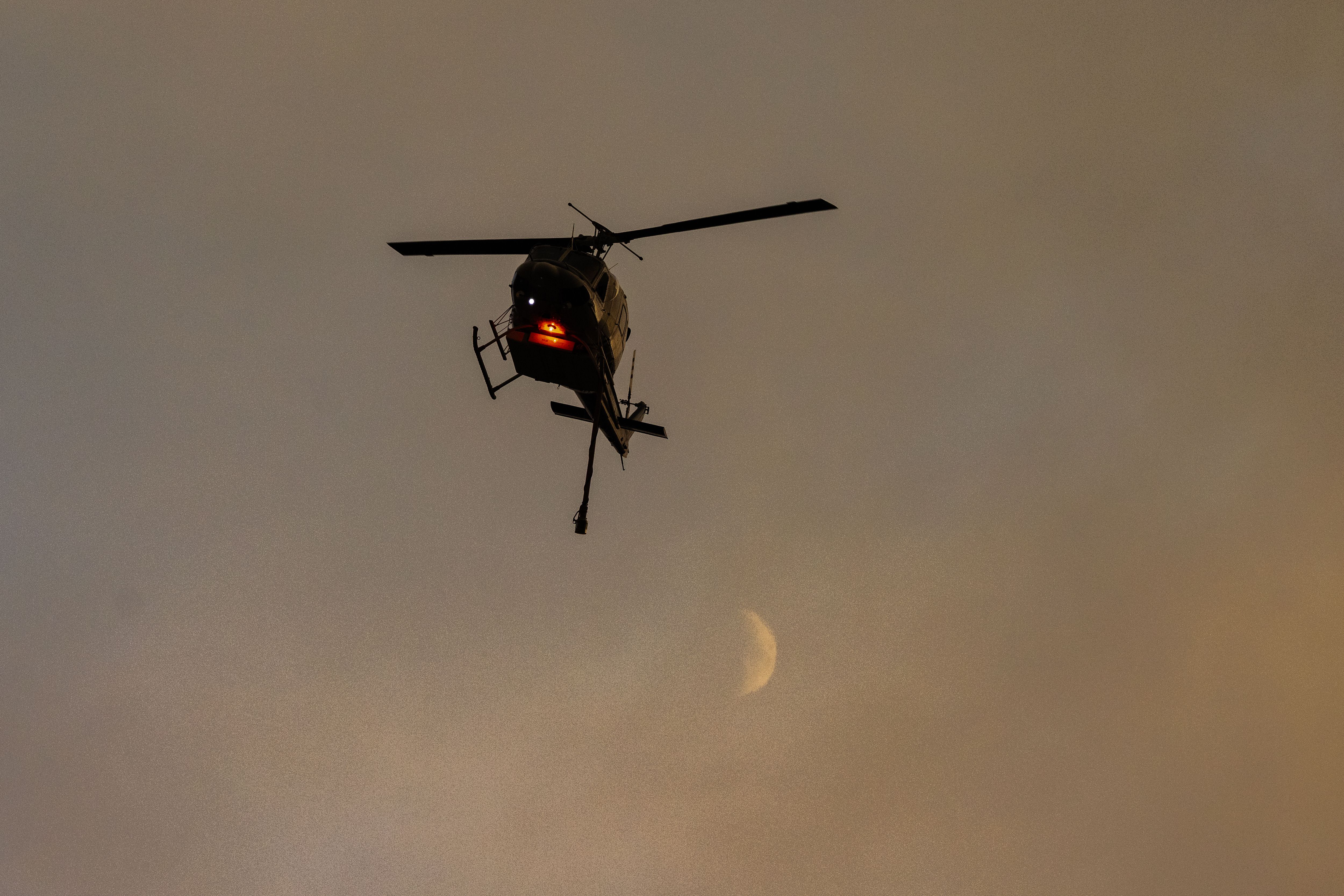
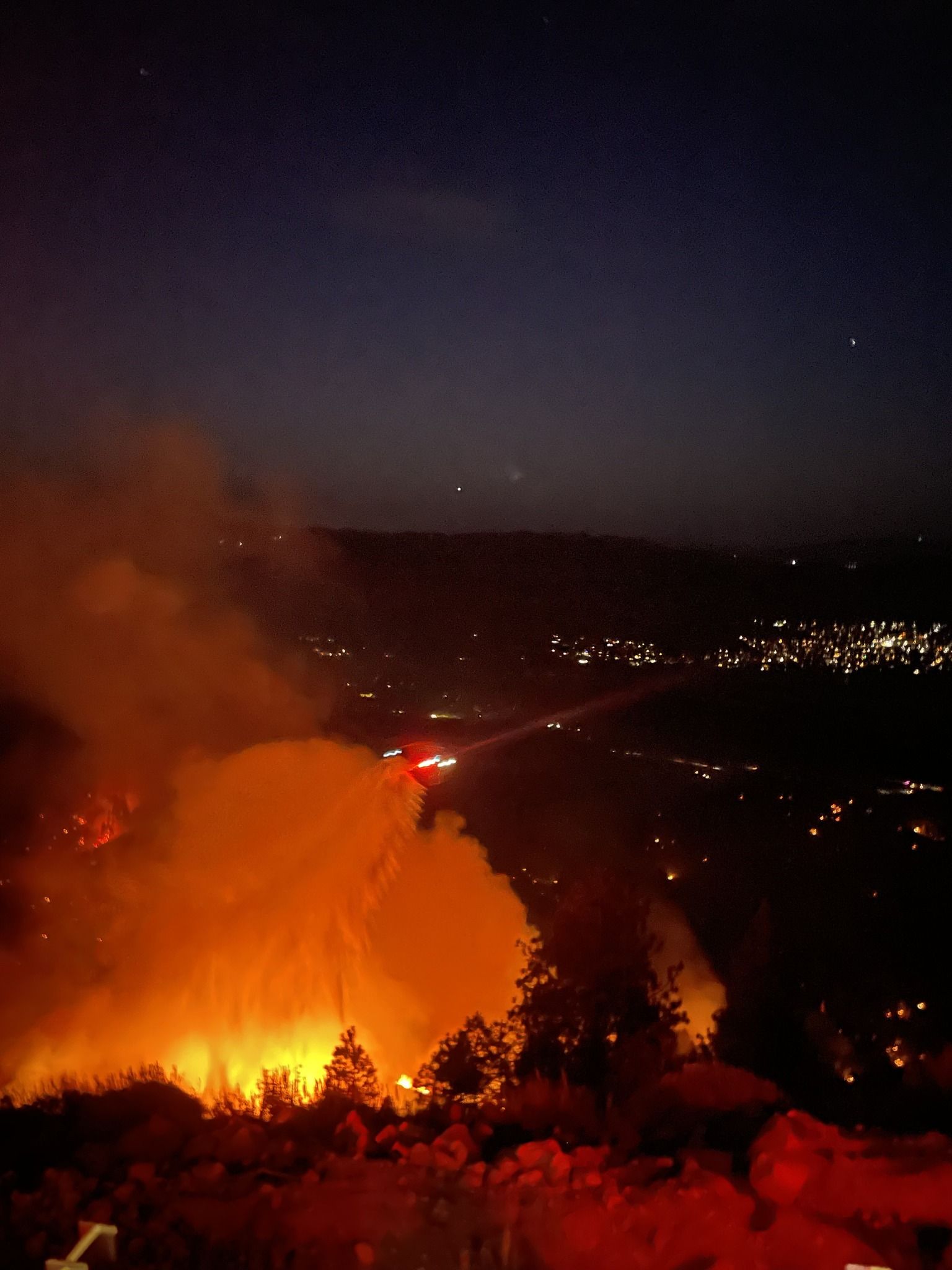
In photos: Wildfires threaten communities across U.S. West
Go deeper: "Climate whiplash" helps fuel extreme Western wildfires
Editor's note: This a breaking news story. Please check back for updates.
