Scoop: Biden to push Netanyahu to be more flexible on Gaza-Egypt border

Add Axios as your preferred source to
see more of our stories on Google.
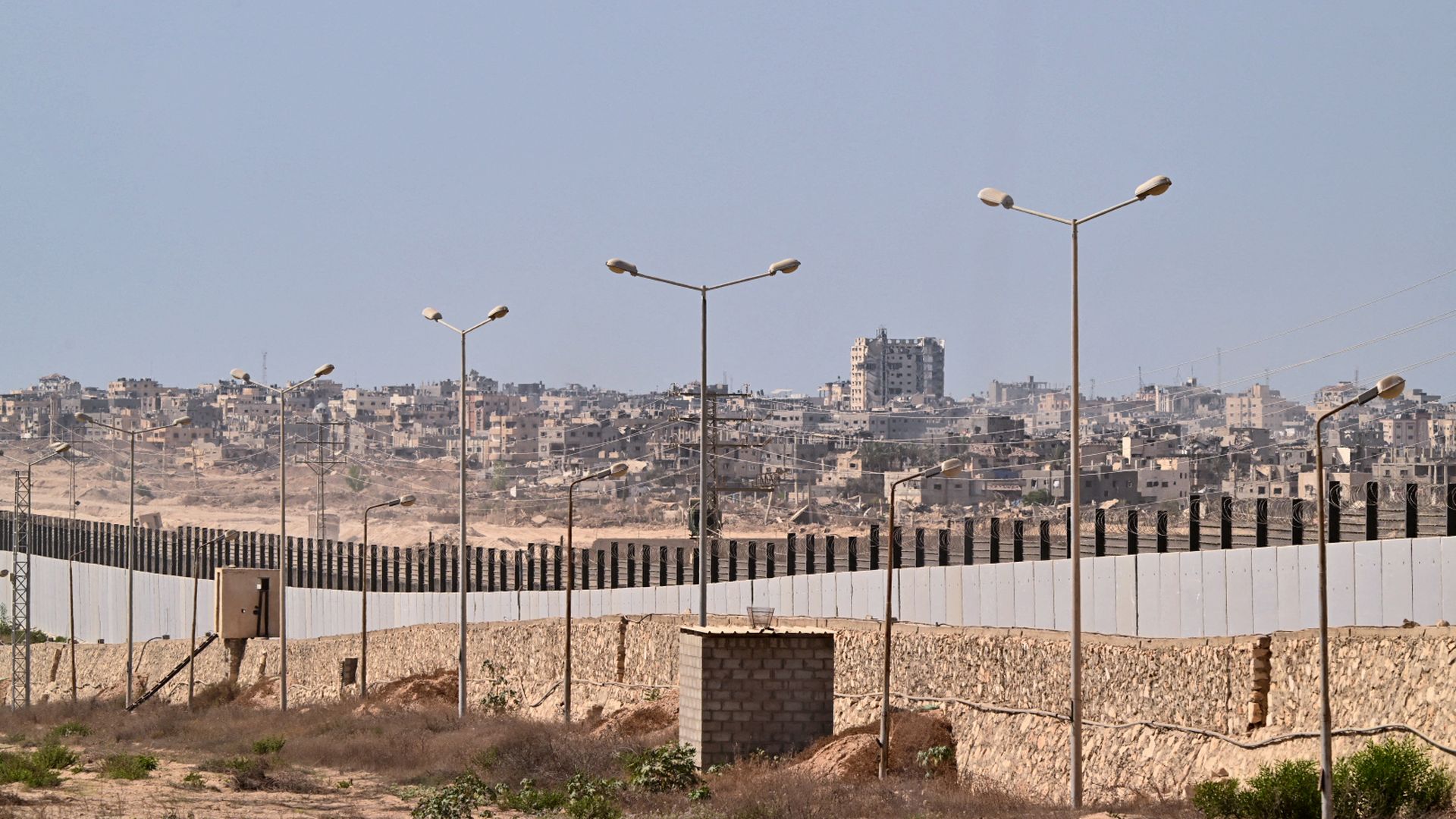
Rafah, Gaza, as seen from Egypt on July 4, 2024. Photo: Giuseppe Cacace/AFP via Getty Images
President Biden is expected to speak to Israeli Prime Minister Benjamin Netanyahu on Wednesday and urge him to show more flexibility so a hostage-release and ceasefire deal can be reached in Gaza, a source with knowledge of the call told Axios.
Why it matters: Their conversation is expected to focus on a new demand from Netanyahu that Israel Defense Forces stay deployed along the Philadelphi corridor on the Egypt-Gaza border to prevent weapons from being smuggled to Hamas from Egypt.
- Israeli negotiators and U.S. officials say Netanyahu's new demand about the corridor has turned into a significant hurdle for a possible deal. Biden wants Netanyahu to soften his position on the issue.
The latest: The White House said Biden spoke with Netanyahu to "discuss the ceasefire and hostage release deal and diplomatic efforts to de-escalate regional tensions." Vice President Harris also joined the call.
- Biden stressed to Netanyahu "the urgency of bringing the ceasefire and hostage release deal to closure" and discussed upcoming talks in Cairo this weekend that are aimed at removing any remaining obstacles, the White House said.
Driving the news: Israeli, Egyptian and U.S. officials met in Cairo on Sunday and Monday to discuss the Philadelphi corridor.
- On Netanyahu's orders, the Israeli side presented a map that showed Israel reducing some of its forces but still deploying them all along the corridor, the Israeli officials said. A map of where the IDF will remain in Gaza is part of the negotiations for the deal.
- The Egyptians rejected that plan and the U.S. told Israel the map was a non-starter, Israeli and U.S. officials said.
- Netanyahu said he told Secretary of State Antony Blinken on Monday that he demands the IDF stay in control of the entire Philadelphi corridor. He also told families of the hostages being held by Hamas in Gaza that he might have convinced Blinken to agree.
State Department officials pushed back and said Blinken wasn't convinced and stressed the U.S. doesn't agree with Netanyahu on this issue.
- A U.S. official told reporters on Tuesday that Netanyahu's "maximalist statements" are not constructive to getting a ceasefire deal and risk the ability to move forward toward an agreement.
- Blinken said on Tuesday in Doha before leaving the region that the U.S. opposes any long-term Israeli occupation of any part of the Gaza Strip.
Behind the scenes: Israeli Defense Minister Yoav Gallant and the heads of the Israeli security services have concluded they can mitigate the risk of pulling troops out of the Philadelphi corridor.
- Gallant and the negotiators told Netanyahu on Sunday that delaying any deal until his new demand on the Philadelphi corridor is met could endanger the hostages still in Gaza and raise the risk of regional war, Israeli officials said.
- On Wednesday, Gallant visited IDF forces at the Philadelphi corridor and stressed that Hamas' Rafah Brigade, which was deployed in the area, has been defeated.
- "We got to the point where we destroyed 150 tunnels. And there is another small number that we will destroy. I gave immediate instructions," he said.
- "The most important thing is that we remember that one of the goals of the war is the release of the hostages," Gallant said.
Editor's note: This story has been updated with statements from the White House.
