Kaine, Britt tackle pricey child care in new bipartisan bills


Add Axios as your preferred source to
see more of our stories on Google.
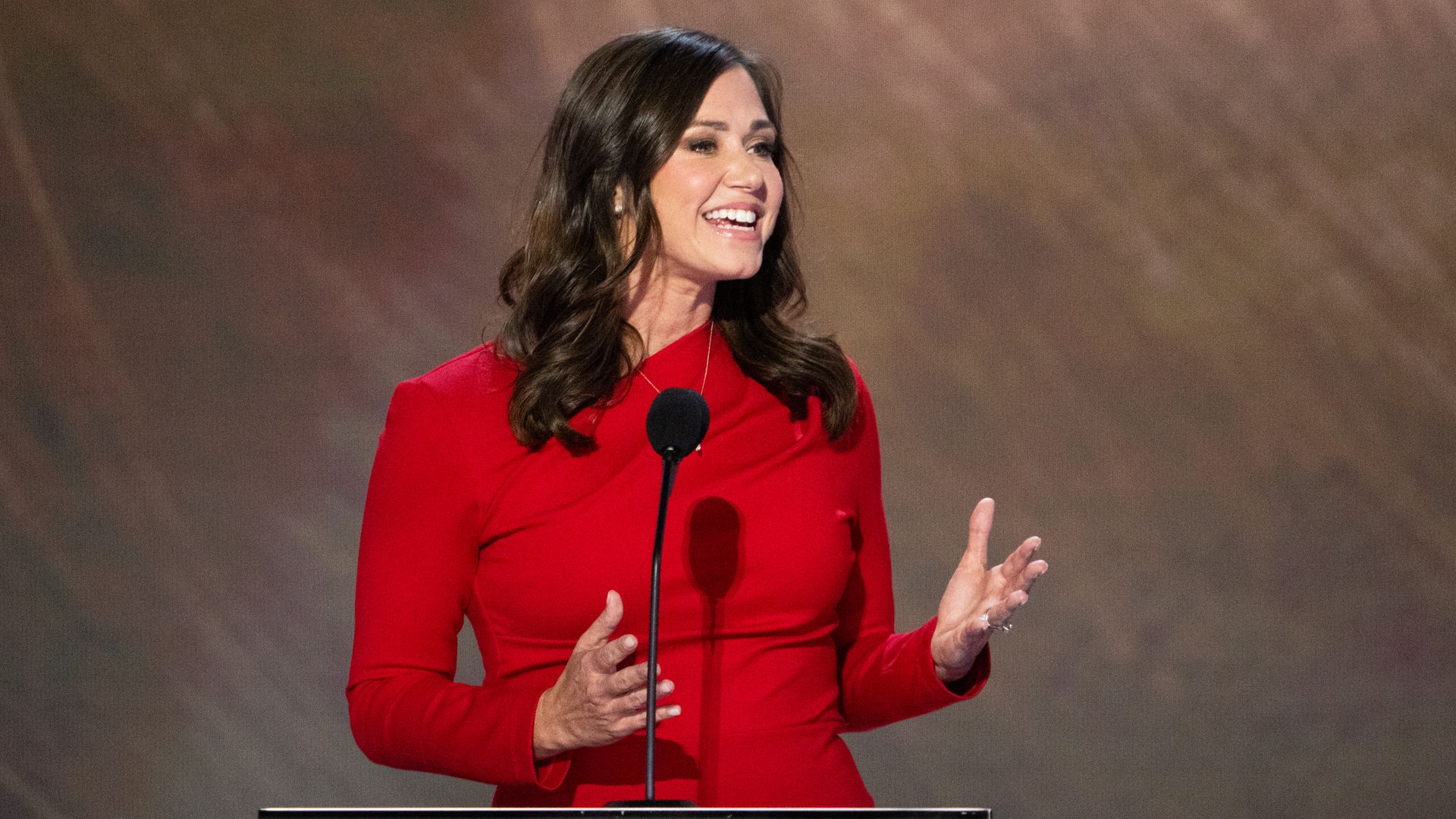
Sens. Tim Kaine (D-Va.) and Katie Britt (R-Ala.) are unveiling two bipartisan bills Wednesday aimed at making child care more affordable through beefed up tax credits and grants for child care providers.
Why it matters: It is rare bipartisan action as Republicans and Democrats each pitch themselves as the party that cares for American families. The proposal also comes as the debate heats up over what to do with Trump-era tax cuts expiring in 2025.
- The Senate passed other child-related legislation on Tuesday — a major kids online safety bill.
- Majority Leader Chuck Schumer (D-N.Y.) will force a vote before the chamber breaks for its August recess on a bipartisan tax package that includes an expanded child tax credit. It's expected to fail.
Zoom in: The bipartisan Senate team is introducing the Child Care Availability and Affordability Act, which would expand a different tax break, the Child and Dependent Care Tax Credit, to a maximum of $2,500 for families with one child and $4,000 for families with more.
- Critically, it makes the tax credit refundable, providing assistance to lower-income families. The tax break was expanded in Biden's pandemic response plan, but has since expired.
- The new bill would allow families to deduct up to $7,500 of their child care expenses through the Dependent Care Assistance Program — 50% more than they can currently.
- It also aims to more heavily incentivize employers to provide child care help for their employees by more than tripling the potential corporate tax credit available. It has even more incentives for small businesses, and allows them to pool their resources to qualify.
What to watch: The second bill from the senators — the Child Care Workforce Act — would provide grants for states to supplement wages for child care providers to help them retain workers, while keeping costs low for families.
What they're saying: With a small group of reporters, Britt and Kaine both shared their own experiences with finding child care — and realizing how out of reach it can be for many Americans.
- Britt also seemed to get in front of potential GOP concerns. "We're not creating an entitlement here," Britt said, stressing the goal is to create programs that incentivize people to work, if they want to, filling workforce shortages and boosting the economy.
- Kaine cited the child care tax credit as a provision that voters are likely to put on a lawmaker's "to-do list when you're out traveling around your state."
The big picture: Child care has become a big priority for Democrats in recent years, and the industry's been in crisis mode since at least the pandemic.
- There's huge demand for care right now — with a record number of mothers in the job market and the number of workers still not back to pre-2020 levels.
- Providers are constrained by how much parents are willing and able to pay, which means wages for workers are low. The median wage for these workers is in the bottom 5% of all occupations, with jobs like waiting tables often paying more.
- Still, child care prices have spiked more than 30% since pre-pandemic, putting most options out of reach for families — even keeping some parents out of the job market.
