Spotify CEO expects profit growth to continue amid investments in audiobooks

Add Axios as your preferred source to
see more of our stories on Google.
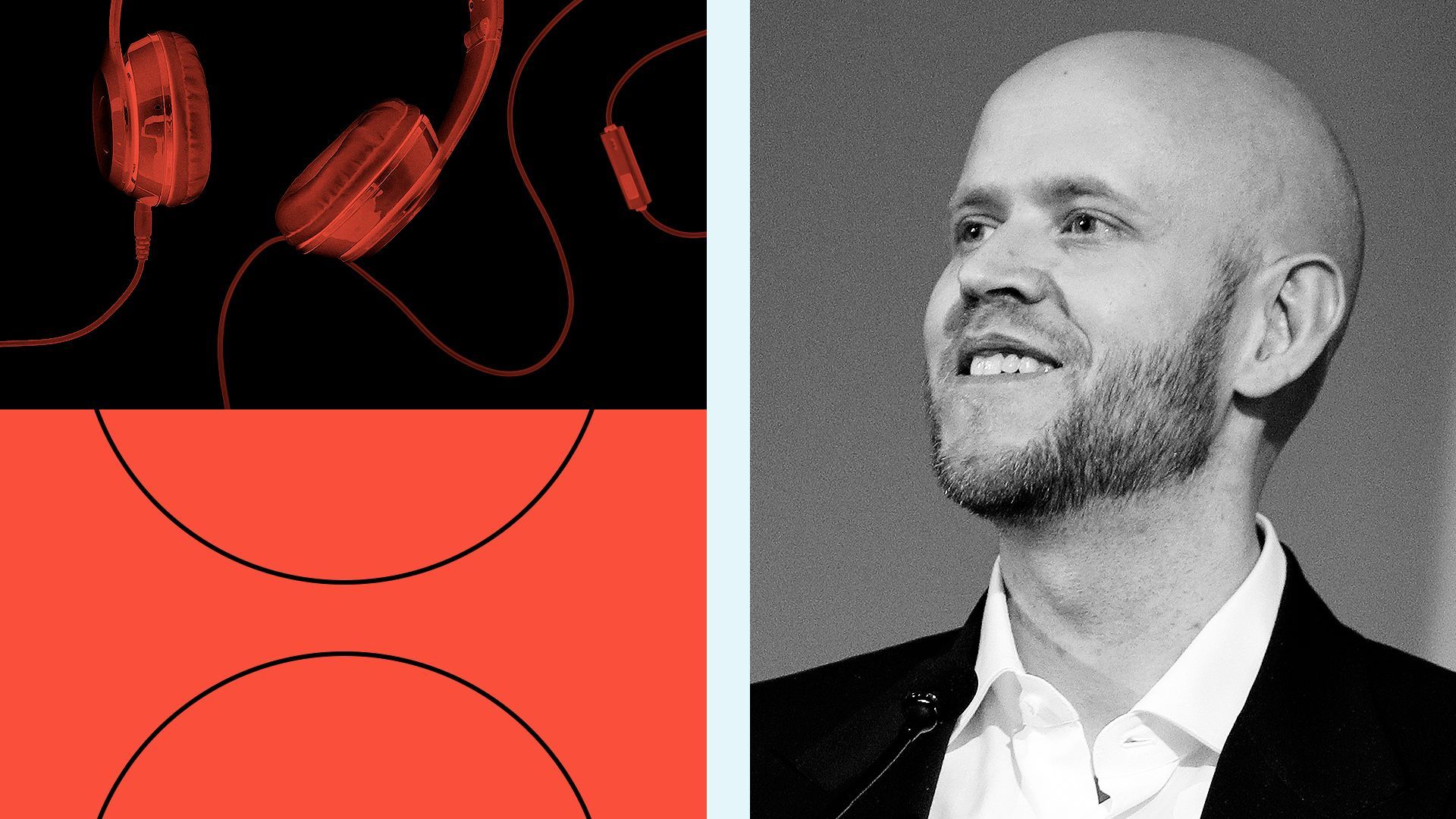
Spotify CEO Daniel Ek. Photo illustration: Natalie Peeples/Axios. Photo: Sebastian Reuter/Getty Images for Spotify
Spotify co-founder and CEO Daniel Ek expects his company's profit margin growth to continue for the foreseeable future, he told Axios in an interview Tuesday.
Why it matters: Wall Street was skeptical of Spotify's strategy, but investors are beginning to reward the Swedish tech giant for its discipline.
- The company's stock was up 14% in premarket trading Tuesday. Spotify has recovered nearly all of its post-pandemic stock losses.


State of play: Spotify told investors Tuesday that it anticipates achieving a 30% gross margin on its business next quarter, well ahead of the 2025 deadline it gave investors last year.
- Last quarter was the firm's most profitable three-month period ever, a signal that its efforts to become more efficient are working.
- "I definitely think we've hit a new floor on our gross margin profile going forward," Ek said, citing improvements across music and podcast costs. "You should definitely expect the positive story to keep going."
The big picture: Spotify has consistently grown its user base for years, but heavy upfront investments in podcasting and overhead costs ate at its margins for most of 2022 and 2023, drawing frustration from Wall Street.
- The company shifted its podcast distribution strategy to address those concerns, and Ek said he believes podcasting will become "positive to our margin story" this year.
- He also feels confident that the company's next big bet, audiobooks, won't be as much of a drag on the company's profits because it requires a lighter upfront investment compared to podcasts.
- The cost structure of audiobooks, Ek said, is more variable, "which helps the gross margin profile as we're growing." Ek called audiobook engagement usage "phenomenal," saying, it's a "healthy indicator" of the lifetime value of a Spotify subscription.
Zoom in: While the company has cut costs, product improvements have also helped grow its top-line performance, contributing to higher margins.
- Spotify grew its ads business by 13% year over year last quarter, despite a broader slowdown in the global ad market.
- Ek said upper-funnel marketing was softer than expected in Q2, but enhancements to the firm's ad tech stack helped offset that slowdown by attracting more dollars from small and mid-sized advertisers.
- Spotify also beat expectations on subscription growth, despite price increases introduced to the U.S. market in June.
Zoom out: While the company beat investor expectations on the most important metrics — profitability and gross margin — it did fall slightly short of investor expectations on monthly active user (MAU) growth.
- Ek blamed that miss on a shift in Spotify's marketing strategy to focus on short-term profits. The firm invested more in converting free users to premium subscribers in lucrative markets rather than spending heavily on marketing to acquire free users in developing markets.
- Over the long term, "I think that's more of a question of when, rather than if, that we'll reverse the MAU growth trend," Ek said.
- Spotify grew its MAU base by 14% year over year to 626 million globally last quarter. Ek believes the total addressable market for Spotify users should be "well north of a billion," so the firm has plenty of room to grow.
- He said Spotify should capture at least 25% of the digital music-listening population, which he estimates is around 3 billion–4 billion people globally.
What to watch: For years Spotify wasn't consistently profitable, but now it's starting to make real money. Last quarter, it posted a record €490 million ($532 million) in free cash flow.
- Asked how the firm planned to invest that capital, Ek said Spotify has no plans right now except to "keep our options open" and "keep investing in the business."
- He noted the company is looking to increase marketing expenditure and invest more in artificial intelligence. Other product focus areas include video and ticketing.
