What we're reading: "Ambition Monster"

Add Axios as your preferred source to
see more of our stories on Google.
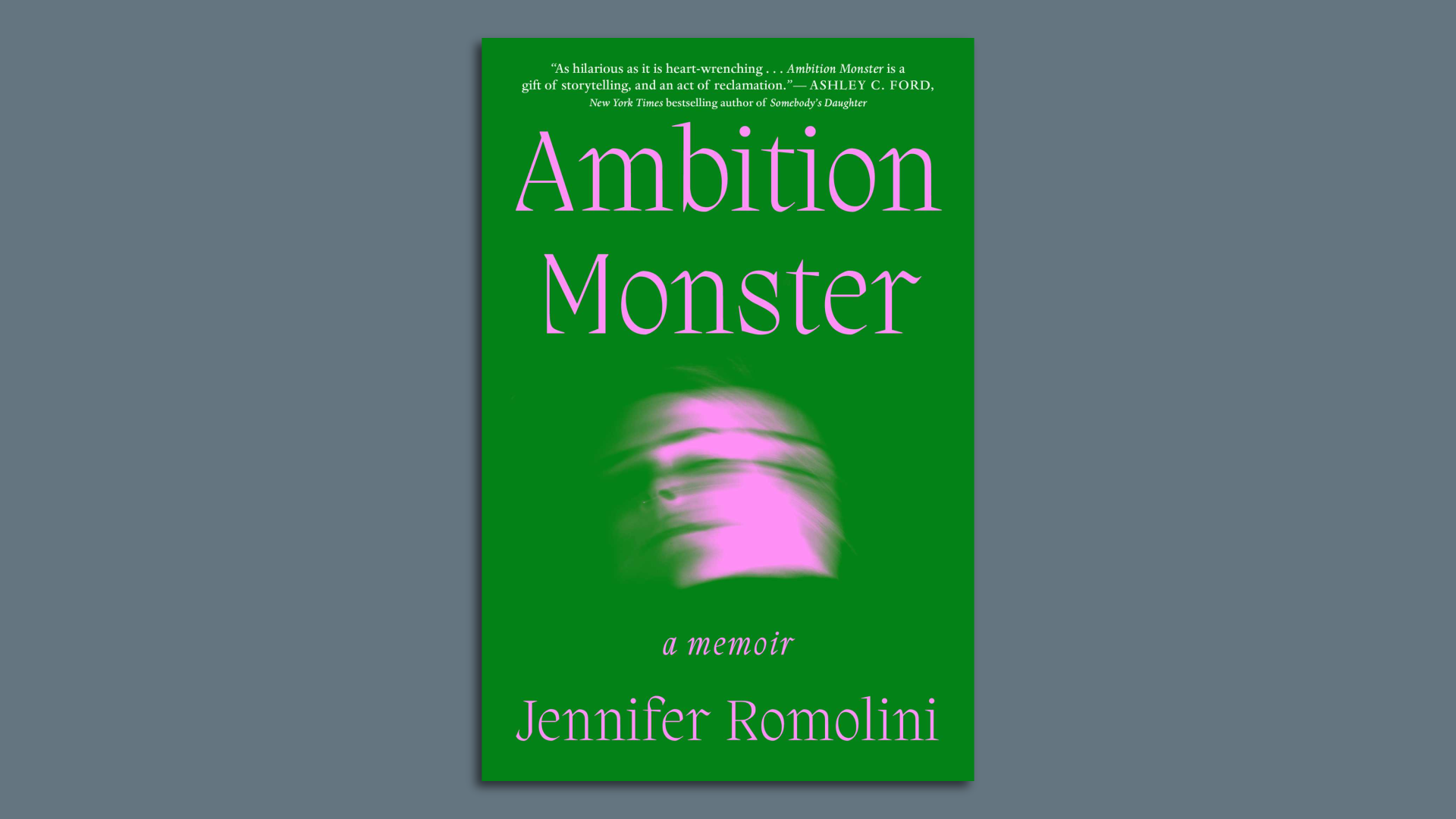
Simon & Schuster
Jennifer Romolini is the latest former media executive to grapple with the fever dream of the Girl Boss era, and the culture of workaholism that fueled it.
Why it matters: In her new memoir, "Ambition Monster," Romolini digs into what fueled her rise from college dropout to executive positions in print media in the early aughts and online media during its heyday nearly a decade ago.
- "The 2010s were a socially sanctioned #bossbitch bootcamp," she writes, arguing that the attention paid to so-called Girl Bosses during that time amped up a certain group of media leaders to often unhinged heights.
State of play: Romolini grew up working class in Philadelphia, the child of teenage parents struggling to get by, who partied a lot and often left their young daughter feeling scared and unprotected.
- She says, as an adult, she found comfort in work: the structure, the rewards, even the constant stress.
There are some truly punishing moments. In a later chapter, she sums up 12 years of working in women's media under, effectively, a string of so-called girl bosses.
- "In my day-to-day work under these leaders, women who publicly spouted fempowerment platitudes slammed doors in my face, called me names, required that I eliminate the positions of employees on maternity leave and asked that I fire a young woman struggling with mental health because she was 'bumming us out.'"
- "One boss got violent and frequently kicked the back of my office chair when she was mad."
Finally, after she's suddenly fired from one of these companies, Romolini starts to realize she's got a problem. Her sense of self-worth is tied up in her success, and her devotion to her career comes at the cost of her personal life.
Zoom out: The book is out only a few weeks after the release of "The Myth of Making It," from the former executive editor of Teen Vogue who also recounts a burning ambition to succeed and the feeling of burnout and emptiness once she got there.
- Both view problems with workaholism as the outgrowth of America's obsession with working.
- "Understanding and identifying workaholism in the United States is complicated by the fact that our country's unifying ethos — late-stage capitalism — teaches us to exalt the labor of moneymaking," Romolini writes. "And to calculate our worth based on our productivity, to conflate happiness with success."
The bottom line: Workaholism is a gender-neutral phenomenon but when crossed with a certain kind of faux feminism it can be pretty toxic.
