Apple starts rolling out quantum-proof encryption to iMessage

Add Axios as your preferred source to
see more of our stories on Google.
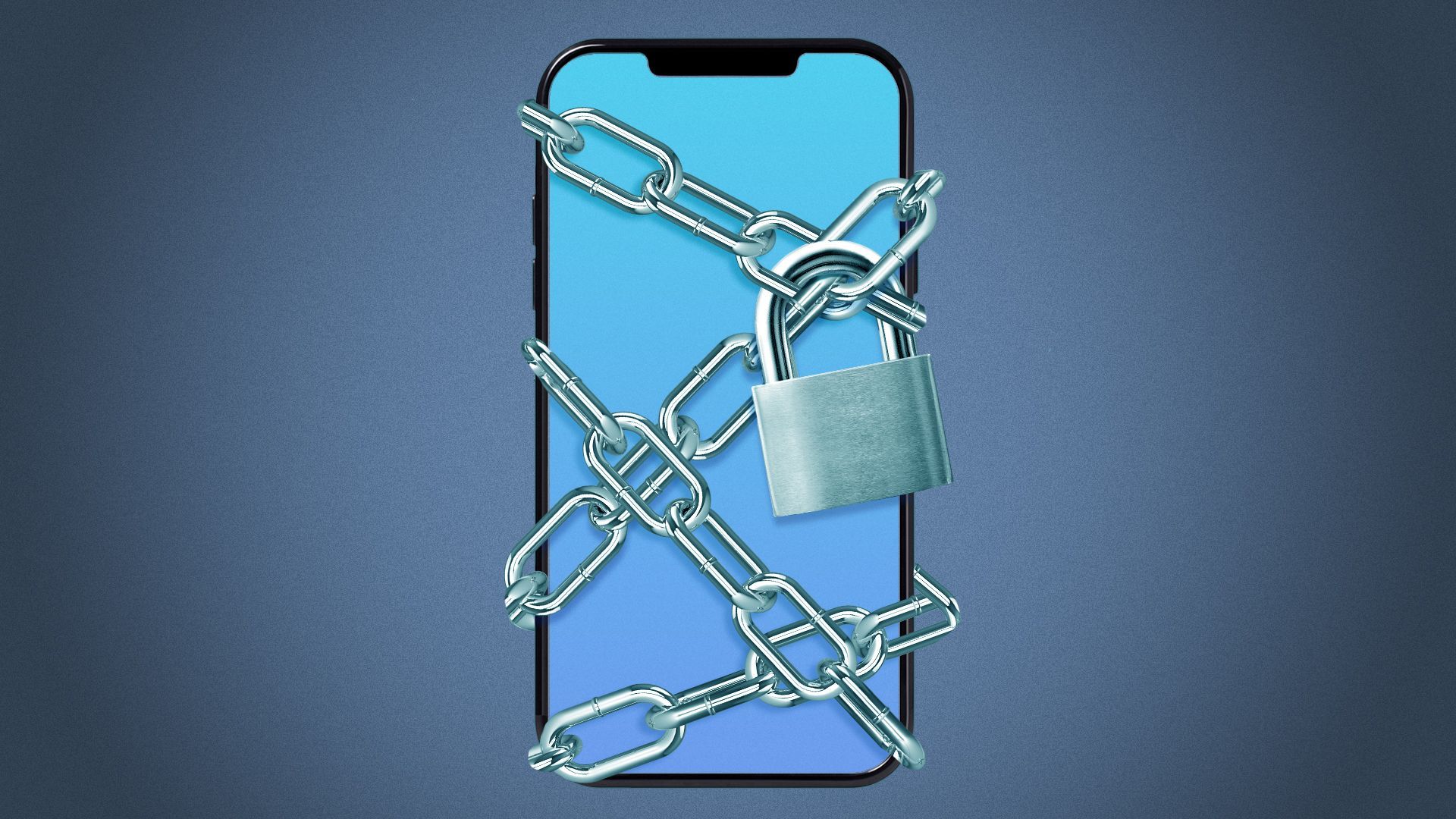
Illustration: Shoshana Gordon/Axios
Apple will start rolling out a new encryption standard for iMessage that will help protect against efforts to crack its code by quantum computers, the company announced Wednesday.
Why it matters: Apple says this new protection is the strongest offered by any messaging system — even privacy-minded Signal — and it could keep hackers from being able to read stolen messages even as quantum computers improve their ability to defeat encryption.
What's happening: Apple will start offering a higher level of end-to-end encryption for iMessage as part of its next software update across iOS devices.
- To do this, Apple completely rebuilt the cryptography protocol underlying iMessage to incorporate new standards designed to protect against quantum technologies.
- Apple's new standard, which it's calling PQ3, incorporates elements from both the new, publicly available post-quantum algorithms and current Elliptic Curve algorithms that standard messaging platforms use.
How it works: Encryption works by translating our plain text messages into a code that's undecipherable unless someone has the right decryption key.
- Intelligence officials and security experts have long feared that quantum computers will give nation-state spies the ability to quickly crack those keys.
- But under Apple's PQ3 standard, iMessage will periodically reissue new keys under this new post-quantum standard — making it harder for hackers to gain access, even if they previously had access to an older encryption key.
- The new standard will be deployed across both iMessage for iPhones and Mac.
The big picture: Apple's new encryption standard appears to go a step further than even the most privacy-oriented competitors.
- Signal, an encrypted messaging service is popular with journalists, researchers and activists, provides an initial encryption key that meets post-quantum standards, but it hasn't yet developed the ability to routinely reset those keys.
- Other platforms run on encryption standards that can protect messages in the present day, but won't stand up against a quantum computer.
Between the lines: Apple is a ripe target for nation-state hackers and governments trying to spy on government officials, dissidents, advocates and journalists.
- Earlier this year, the Chinese government claimed it now had the ability to crack AirDrop encryption — which could help the government spy on protesters who used the tool to spread political messages.
What's next: Apple said it is looking into ways to bring its new encryption standard to other storage products, such as iCloud backups.
