Film uncovers secret struggles of folk singer and activist Joan Baez

Add Axios as your preferred source to
see more of our stories on Google.
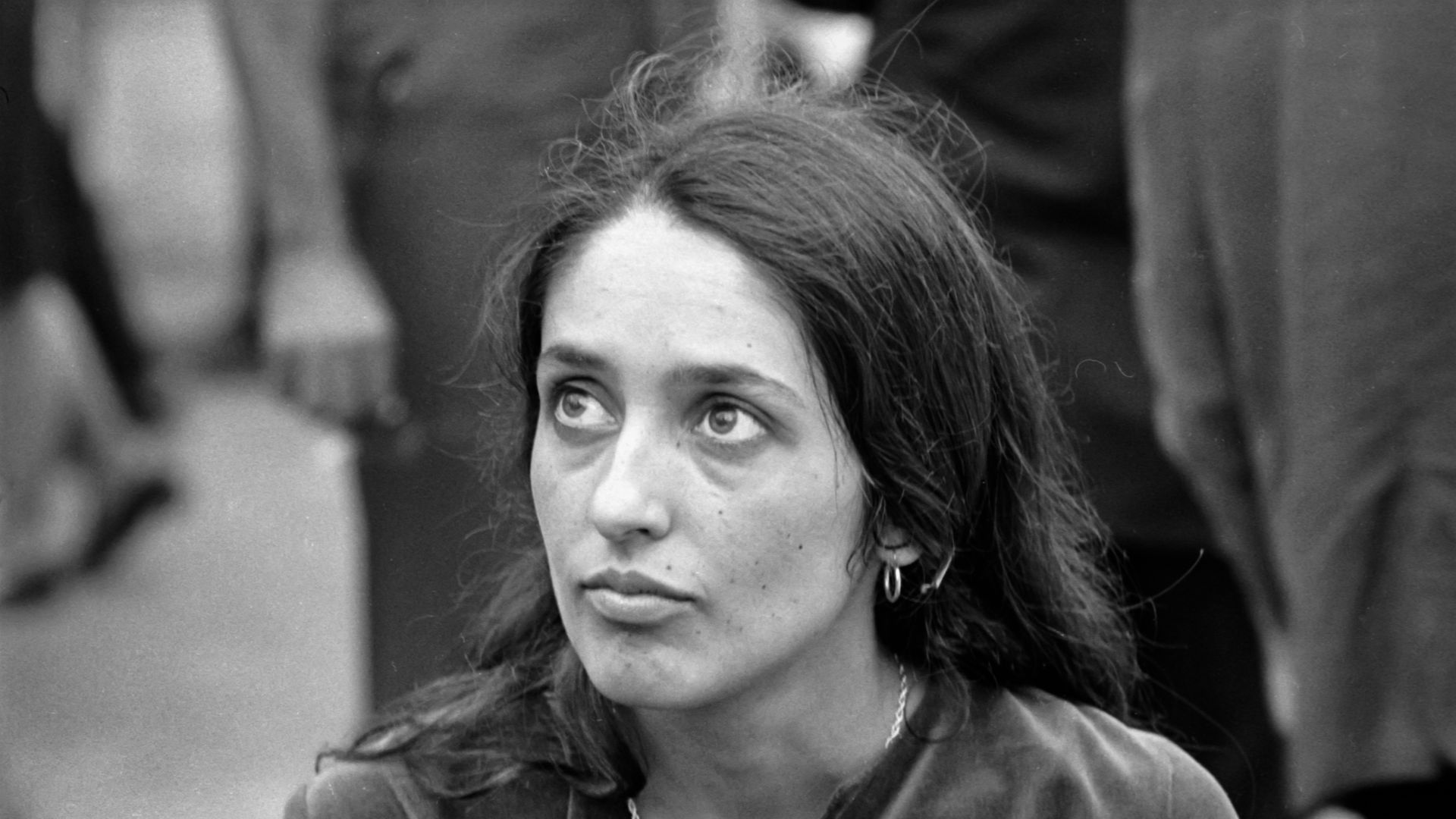
Joan Baez in Montgomery, Alabama, at the conclusion of the Selma to Montgomery Civil Rights march on March 25, 1965. Photo: Morton Broffman/Getty Images
Joan Baez, a Mexican American counterculture folk singer who participated in some of the most critical moments of the Civil Rights Movement, is the subject of a personal and revealing new documentary.
The big picture: Baez, 82, has rarely opened up about her family, her tumultuous relationship with Bob Dylan, or mental health challenges. The film is scheduled to be released in select New York theaters Friday and elsewhere on Oct. 13.
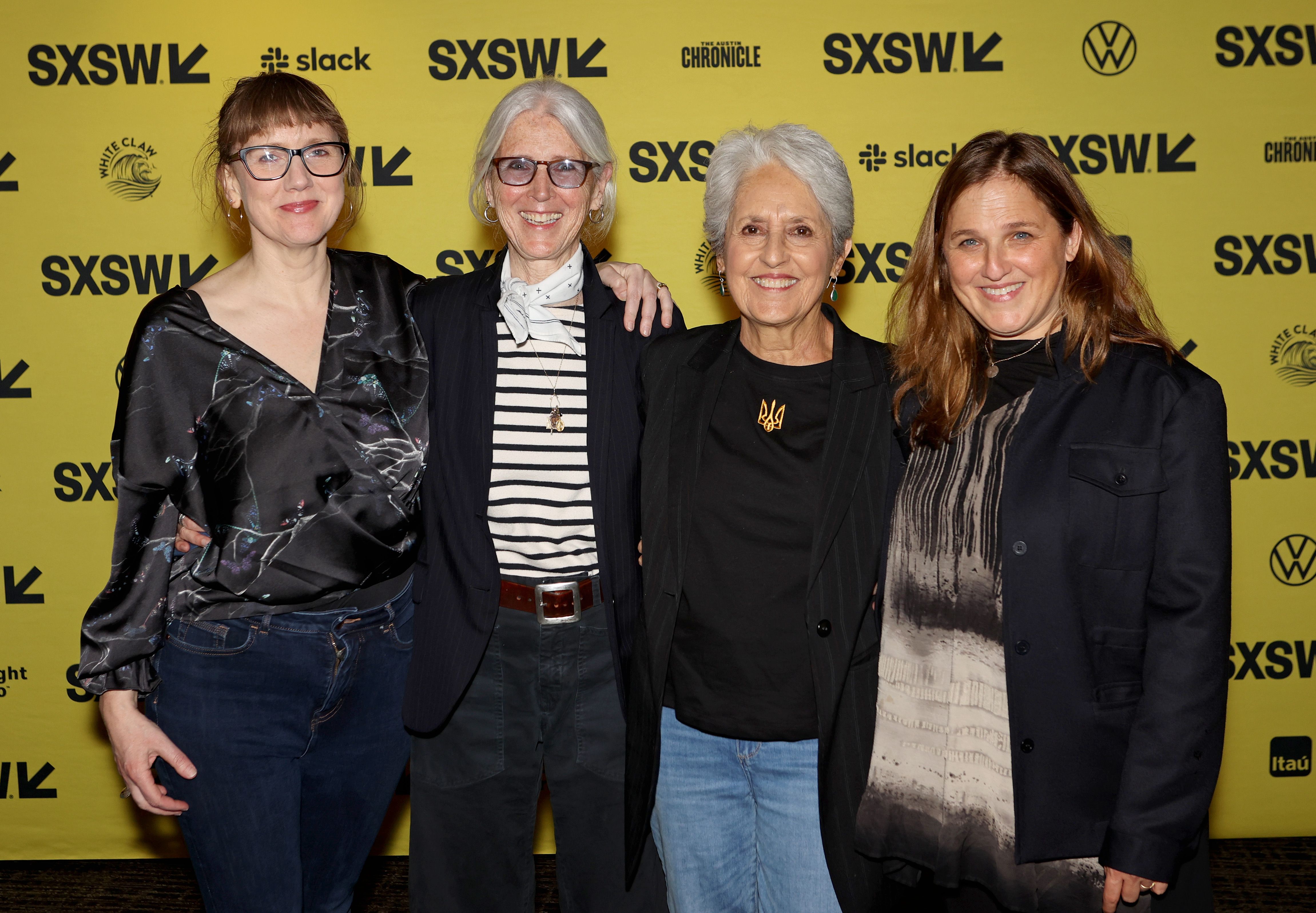
Details: Directed by Karen O'Connor, Miri Navasky, and Maeve O'Boyle, "Joan Baez I Am A Noise" follows Baez over several years and as she goes on her 2019 farewell tour.
- Baez gave directors access to letters, childhood drawings, personal notes, tapes of therapy sessions, and extended interviews.
- The documentary includes footage of her performance with Dylan, where they stood just a few feet from Dr. Martin Luther King Jr. when he delivered his "I Have a Dream" speech.
- It also delves into her childhood, including times when she was taunted for being Mexican American and her feelings of inferiority growing up.
What they're saying: "I think the profound experience she had in being picked on and feeling less-than gave her a really deep look forward into inequality in society and the way she fought her civil rights," O'Boyle tells Axios.
- O'Boyle says the film uses animated versions of drawings and sketches by Baez to help viewers understand the quiet anguish and anxieties she battled most of her life.
- Navasky tells Axios that Baez's father's work as leading UNESCO's science-teaching division and the family's trips around the world opened up the singer's views on other people's struggles.
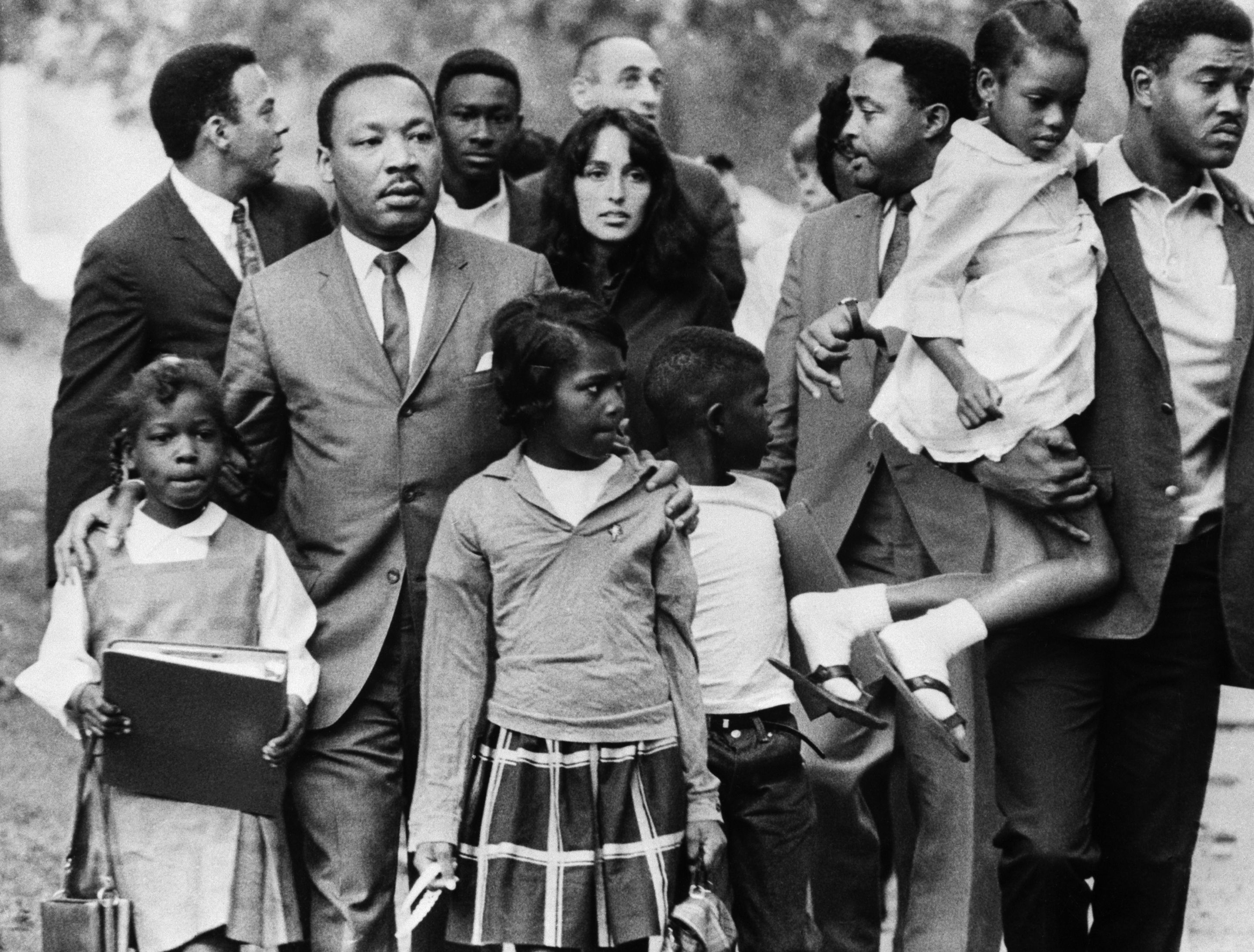
Background: Once one of the most famous Mexican Americans in the world because of her pure voice and political songs, Baez rose to fame in 1960 as a folk singer who incorporated country, rock, and gospel.
- Her first three albums, "Joan Baez," "Joan Baez, Vol. 2" and "Joan Baez in Concert," all went gold, and she was one of the first Latina crossover stars in the U.S.
- She also marched in Mississippi and with civil rights advocates from Selma to Montgomery and then participated in Vietnam War protests all while using her music to draw attention to causes.
Flashback: Baez was born in Staten Island, N.Y., to a Mexican immigrant father and a Scottish immigrant mother. Baez and her Quaker family moved around after her father received a physics doctorate from Stanford University.
- Her father, who was also a minister for a Spanish-speaking Methodist church, was instrumental in teaching her about fighting poverty and for marginalized people.
The intrigue: In the film, Baez is frank about her relationship with Dylan, who she says that he broke her heart, and about struggles with love involving men and women.
- Baez also talks openly about addiction and dealing with memories of abuse in her family.
- "I feel like her telling her life story the way she did in such a deep and meaningful way, with such candor and with such grace, is incredibly inspiring for audiences," O'Boyle says.
Subscribe to Axios Latino to get vital news about Latinos and Latin America, delivered to your inbox on Tuesdays and Thursdays.
