Satellite images show before and after Morocco earthquake devastation

Add Axios as your preferred source to
see more of our stories on Google.


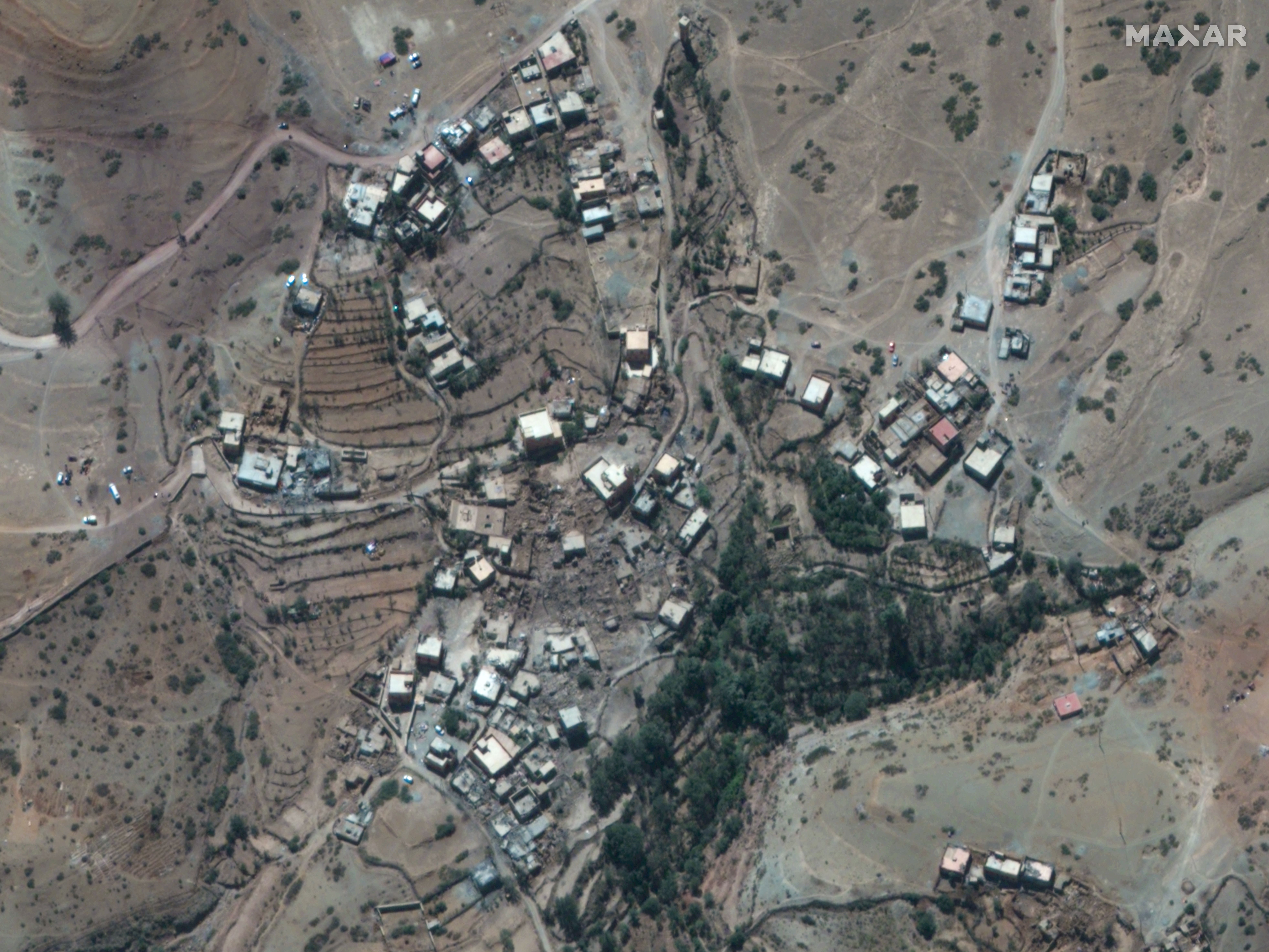
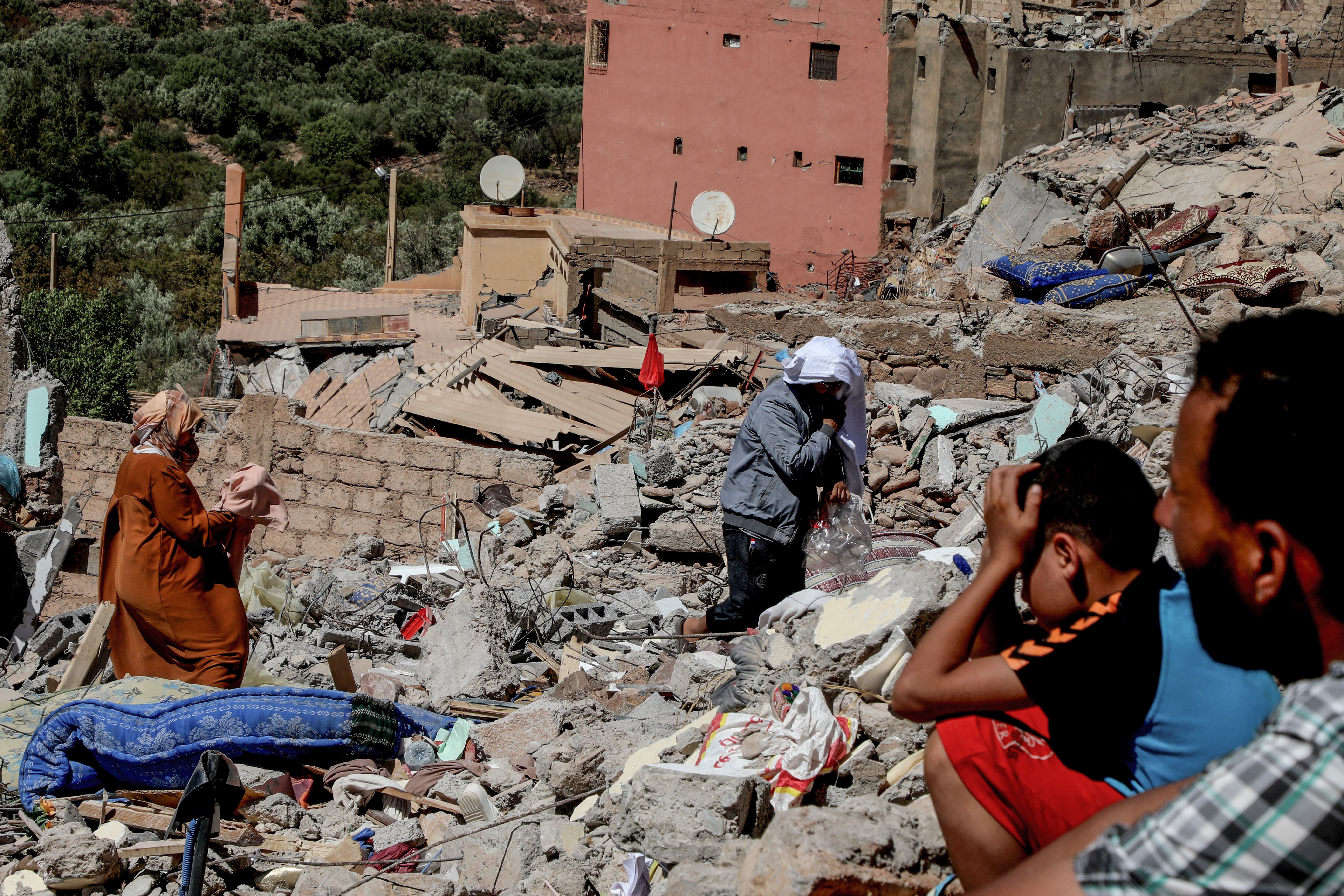
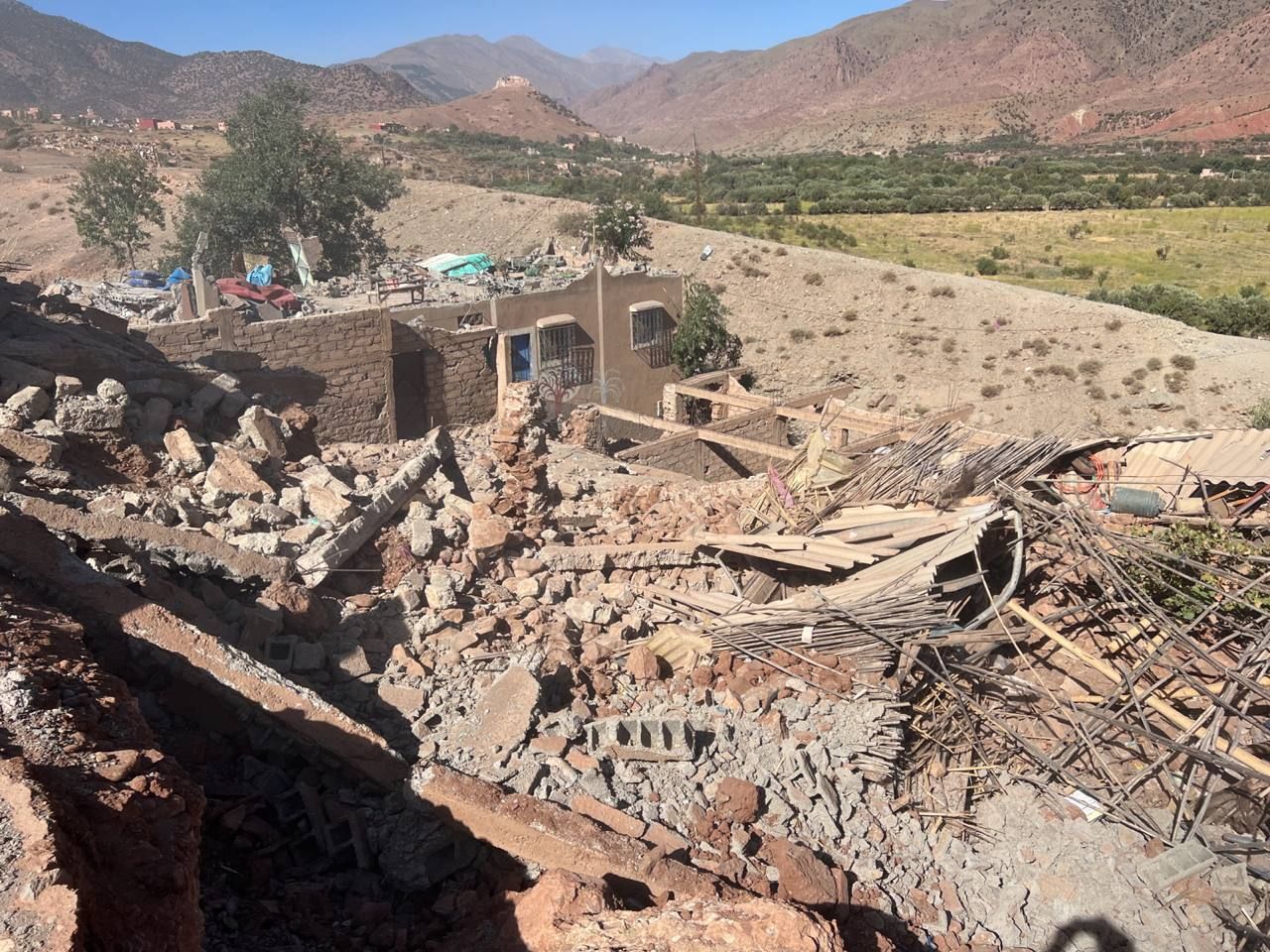
Satellite images taken before and after Friday's powerful earthquake in Morocco show how destructive — and deadly — tremors in this part of the country, where many homes are made of mud brick, can be.
The big picture: The death toll of the 6.8 magnitude earthquake, which hit about 44 miles southwest of Marrakech, topped 2,800 late Monday local time with more than 2,500 others injured. Those numbers are expected to rise as rescuers race against time to get to the most remote villages and towns in hopes of finding survivors.
State of play: Some residents have criticized the Moroccan government for what they say has been a slow response to the quake, especially in some of the hardest-hit mountainous areas.
- "People came from all over. We buried people, we rescued people," the New York Times quoted one person as screaming at an official who had just arrived and was telling residents to stand back.
- Residents there have been digging through the debris left by a collapsed house where a 9-year-old girl is believed to have been buried, per the Times.
A government spokesperson defended the government's response on Sunday, telling Al Jazeera authorities are facing several obstacles. "The main challenges are rocks falling which lead to closures on roads, but there are helicopters to reach the remote areas and provide help and aid," the spokesperson said.
- As of Monday morning, Morocco had formally accepted assistance from Qatar, the U.K., Spain and the United Arab Emirates.
- The UN and several other foreign governments, including the U.S., Turkey and France, have said they're ready to provide help as soon as Morocco requests it.


Zoom in: Powerful quakes like the one on Friday "are uncommon" in the region, but "not unexpected," according to the U.S. Geological Survey.
- That reality combined with the use of traditional building materials like mud brick and unreinforced masonry made the collapse of buildings more likely and the rescue of buried survivors harder, said Mehrdad Sasani, a professor of civil and environmental engineering at Northeastern University.
- Lacking strength and integration, mud-brick structures, in particular, are prone to failing under severe shaking, Sasani told Axios.
- These materials are also more likely to crumble, leaving little room for air pockets for anyone who may be buried when a structure collapses.
What to watch: Sasani hopes authorities and residents use more earthquake-resistant materials and techniques as they rebuild. But he cautioned he's not very optimistic, given these materials are more expensive and this part of Morocco lacks the socioeconomic resources and means to enforce any building regulations in extremely remote areas.
- "You can bring the best engineers in the world, but they cannot do anything" if "the socioeconomic resources are not there," Sansani said.