White woman at the center of Emmett Till lynching dies

Add Axios as your preferred source to
see more of our stories on Google.
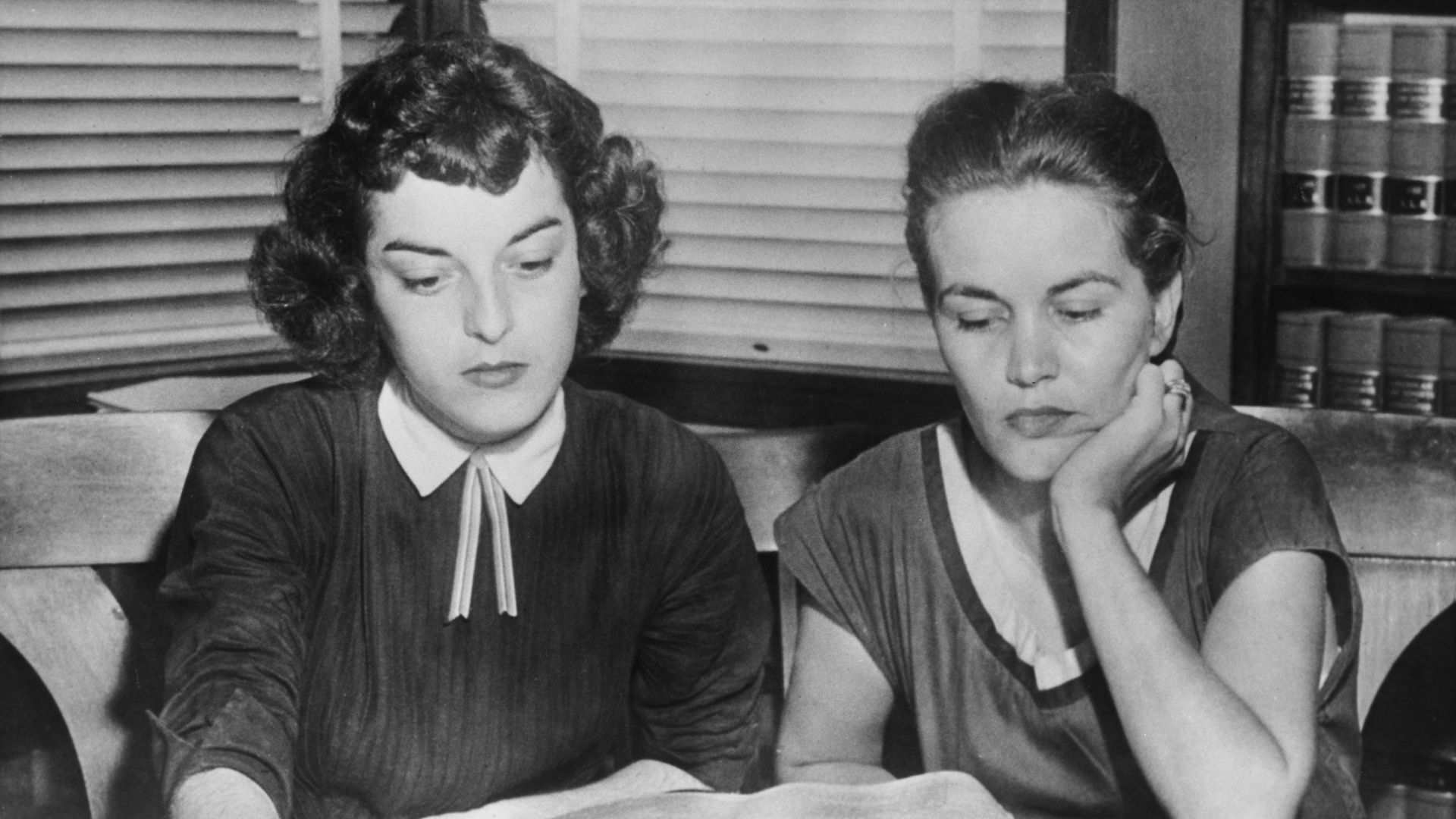
Carolyn Bryant and Juanita Milam (1927-2014), the wives of Roy Bryant and John William Milam, sitting in their husbands' lawyer’s office in Sumner, Mississippi, in September 1955. Photo: Bettmann Archive/Getty Images
The white woman at the center of the 1955 kidnapping and brutal murder of Emmett Till, which later sparked the Civil Rights Movement, has died.
Why it matters: The death of Carolyn Bryant Donham, 88, ends any hope by civil rights advocates that anyone connected to the lynching of 14-year-old Till would be brought to justice.
- Megan LeBoeuf, chief investigator for the Calcasieu Parish coroner's office, confirmed Donham's death to Axios.
- Donham was suffering from cancer and was receiving end-of-life hospice care, Mississippi Today reported.
Details: Till crossed paths with Donham, who was then 20, in Mississippi at the grocery store she ran with her husband. Donham accused Till of grabbing and propositioning her despite witness accounts saying he whistled at her.
- Within days, Donham's husband and brother-in-law abducted and lynched Till after brutally mutilating his body.
- An all-white jury cleared the two white men in 1955, though they admitted to killing Till in an interview a year later.
- In 2008, Donham reportedly recanted her allegation that Till harassed her before his murder, though federal investigators say she later denied doing so.
The intrigue: A family member of Till demanded in a federal lawsuit filed earlier this year that Leflore County Sheriff Ricky Banks serve a 1995 arrest warrant on Donham.
- The warrant, which charged Carolyn Bryant Donham with kidnapping in Till's case, spurred calls for an arrest and answers since it was discovered in a Mississippi courthouse basement last June. A grand jury in Mississippi declined to indict her in August.
- "It was Carolyn Bryant's lie that sent Roy Bryant and J.W. Milam into a rage, which resulted in the mutilation of Emmett Till's body into a[n] unrecognizable condition," the lawsuit states.
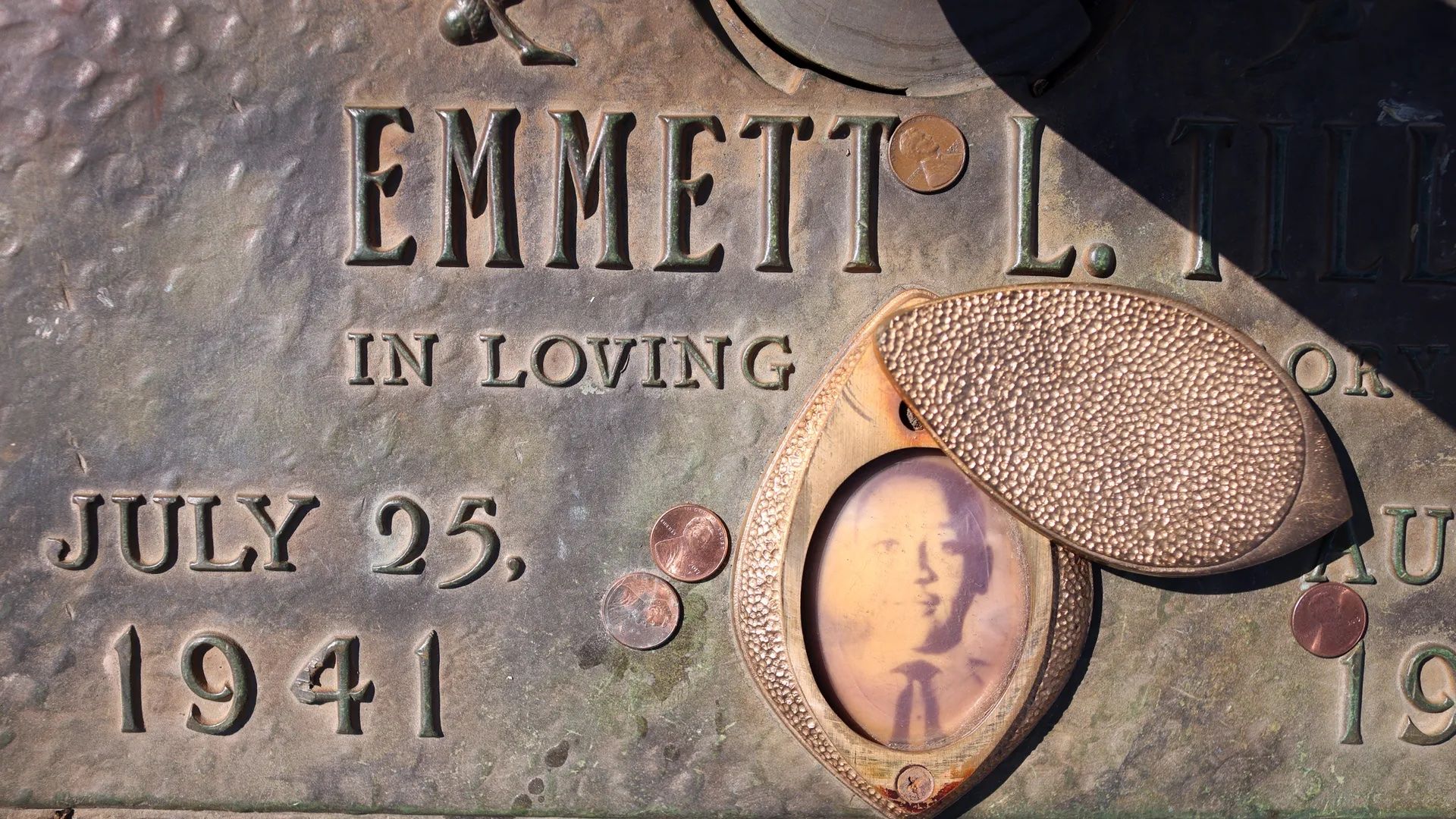
Zoom out: The Department of Justice formally closed its second investigation into the 1955 murder after finding no verifiable evidence of Donham's alleged recantation, which it said wasn't properly recorded or documented.
Don't forget: Till's case brought international attention to the racism and inequities in the U.S. justice system that many feel still exist today.
- President Biden signed into law in March 2022 the Emmett Till Anti-Lynching Act, a historic bill that made lynching a federal hate crime in the U.S. for the first time in history — after more than 200 attempts to codify federal anti-lynching legislation.
- The National Park Service has also indicated that the site of Till's murder could be preserved under the National Park System to honor his memory and significance in the civil rights movement.
