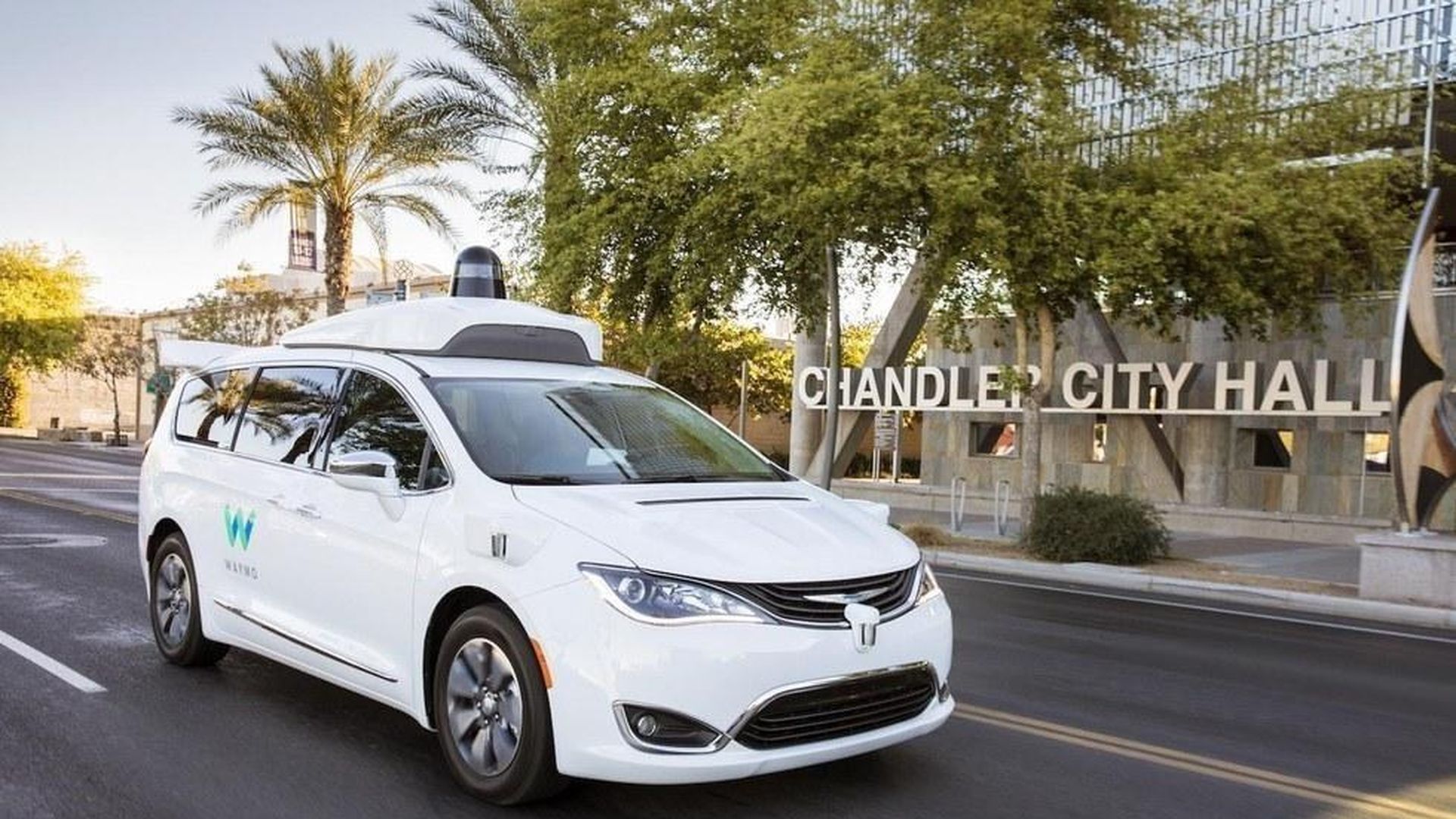
Alphabet's self-driving branch is getting some more Washington firepower. Waymo has hired Senate Commerce Committee staffer David Quinalty as its new Head of Federal Policy and Government Affairs. He'll interface with lawmakers and federal transportation regulators as part of the job.
Why it matters: Self-driving technology is moving full speed ahead in Silicon Valley, and Washington in trying to keep pace. Lawmakers in both chambers — including the committee Quinalty currently works for — are working on bills related to autonomous vehicles. If the companies are able to secure federal preemption of state regulations, it would be a huge win that they say would make it much easier to roll out the technology nationwide.
Uber has reached a deal with federal regulators who accused the ride-hail company of misrepresenting the way it protected its customer and driver data. It's the latest issue for a company that has been plagued by turmoil this year.
The settlement: The company has agreed to "implement a comprehensive privacy program that addresses privacy risks related to new and existing products and services and protects the privacy and confidentiality of personal information collected by the company." It will also submit to audits of its privacy program for two decades.
Google is acquiring Senosis Health, a startup that makes apps to measure lung function, hemoglobin and newborn jaundice, according to GeekWire.
Look ahead: Technology giants are increasingly stepping into the health care industry, but most of the movement is on the consumer side. Senosis could be folded into Google's sister company, Verily Life Sciences, and builds on the interest of turning smartphones into personal health diagnostic tools.
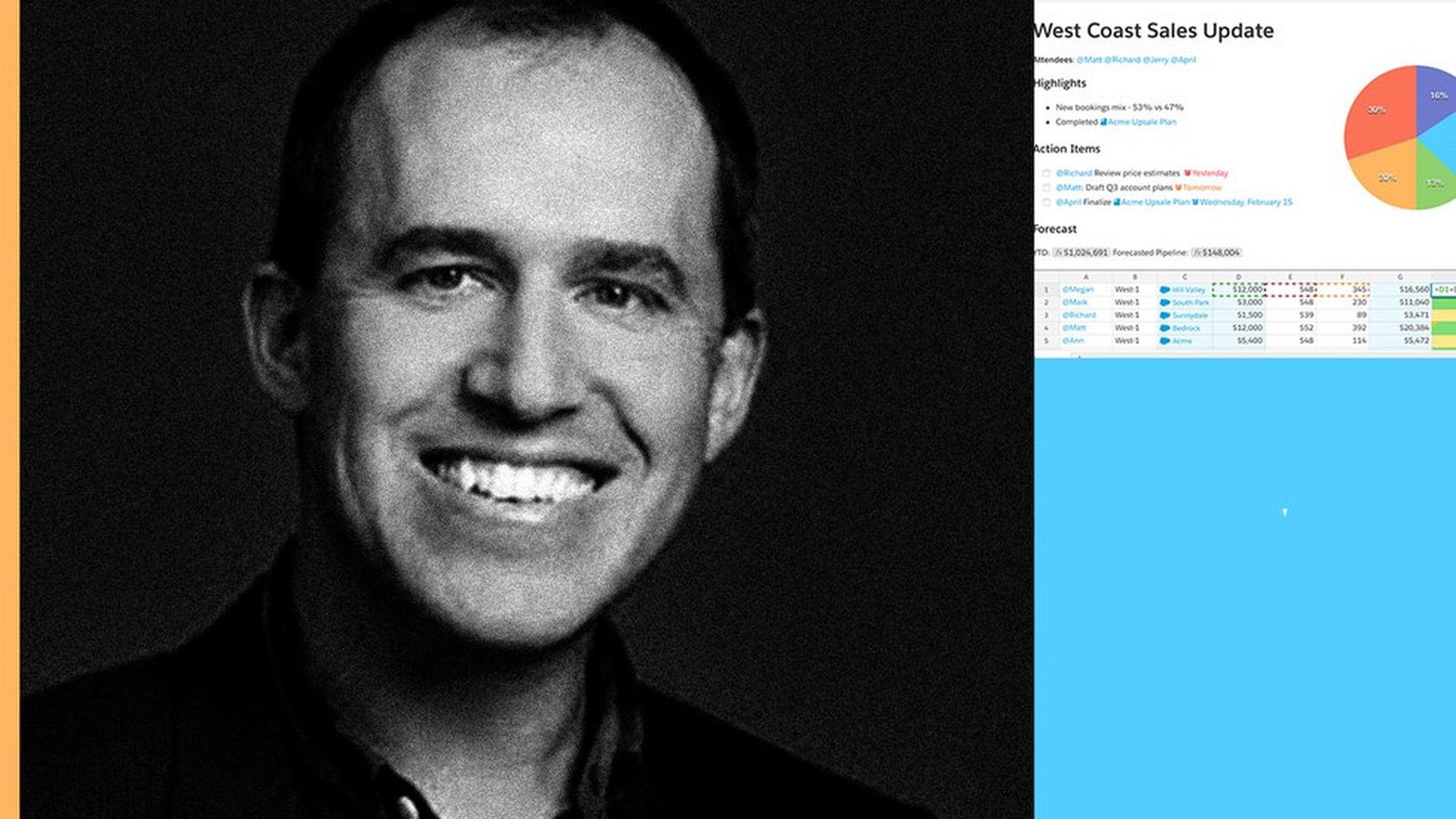
Bret Taylor has certainly been around the Silicon Valley block. He began his career at Google, was CTO of Facebook, founded a couple of startups, and is now at Salesforce after it acquired his latest company, Quip — a tool for online document and project management. Axios recently caught up with Taylor to chat about everything from the future impact of automation to changes in workplace tools.
Why it matters: Technology hasn't only drastically changed how people get stuff done on the job, but it's also on the cusp of changing the nature of jobs themselves.