Searching for smart, safe news you can TRUST?

Support safe, smart, REAL journalism. Sign up for our Axios AM & PM newsletters and get smarter, faster.

Please enter a valid email.

Please enter a valid email.

Subscription failed
Thank you for subscribing!

Searching for smart, safe news you can TRUST?

Support safe, smart, REAL journalism. Sign up for our Axios AM & PM newsletters and get smarter, faster.

Please enter a valid email.

Please enter a valid email.

Subscription failed
Thank you for subscribing!

Denver news in your inbox

Catch up on the most important stories affecting your hometown with Axios Denver

Please enter a valid email.

Please enter a valid email.

Subscription failed
Thank you for subscribing!

Des Moines news in your inbox

Catch up on the most important stories affecting your hometown with Axios Des Moines

Please enter a valid email.

Please enter a valid email.

Subscription failed
Thank you for subscribing!

Minneapolis-St. Paul news in your inbox

Catch up on the most important stories affecting your hometown with Axios Minneapolis-St. Paul

Please enter a valid email.

Please enter a valid email.

Subscription failed
Thank you for subscribing!

Tampa-St. Petersburg news in your inbox

Catch up on the most important stories affecting your hometown with Axios Tampa-St. Petersburg

Please enter a valid email.

Please enter a valid email.

Subscription failed
Thank you for subscribing!

Please enter a valid email.

Please enter a valid email.

Subscription failed
Thank you for subscribing!

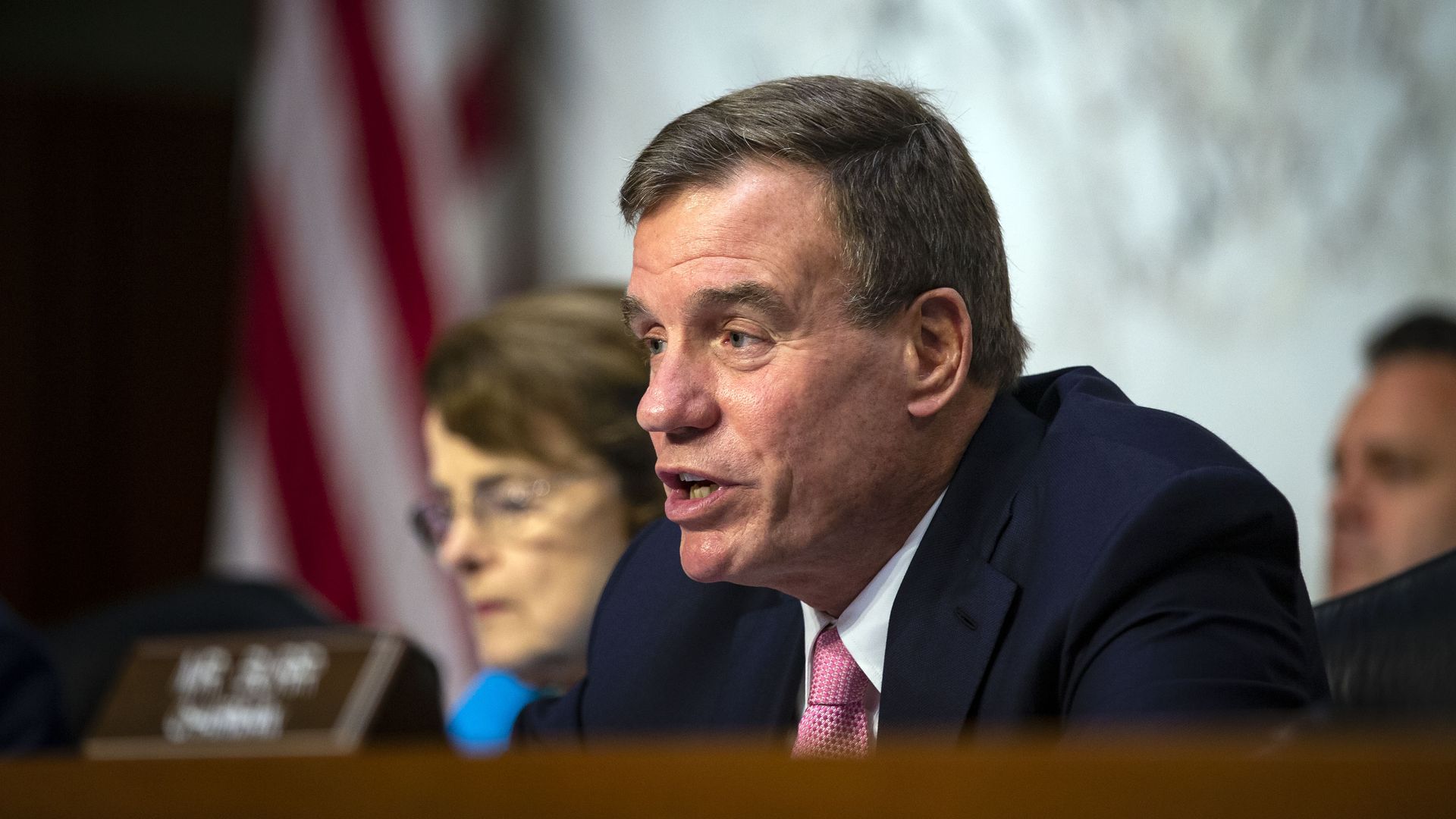
Sen. Mark Warner. Photo: Al Drago/Getty Images

Sens. Mark Warner (D-Va.) and Deb Fischer (R-Neb.) will debut a measure Tuesday that cracks down on manipulative design features in major web platforms like Google, Facebook and Amazon meant to capture users’ consent or data.

Why it matters: Lawmakers are trying to put checks on the fundamental design choices that Silicon Valley uses to attract and retain users. Those “dark patterns” targeted by the new legislation can get users to agree to data collection or other practices they would not consent to if they understood that’s what they were doing.

An example of a dark pattern is when LinkedIn prodded users to let it email their contacts with either an invitation to join the users’ network or create an account on the service.

  • Critics contend that the data gathered in part through these practices gives the biggest tech companies a major advantage over their smaller competitors.

Details: The Deceptive Experiences to Online Users Reduction Act would apply to online services with over 100 million monthly active users.

  • The bill would make it illegal for one of the services to “design, modify, or manipulate a user interface with the purpose or substantial effect of obscuring, subverting, or impairing user autonomy, decision-making, or choice to obtain consent or user data,” according to its draft text.
  • It also bans design features aimed at “cultivating compulsive usage” for kids under the age of 13 and dividing consumers out in order to perform experiments on them without their consent.
  • Services would also have to regularly make public details of experiments they conducted “with the purposes of promoting engagement or product conversion.”

Provisions in the bill would be enforced by both the Federal Trade Commission and an outside body, comparable to the self-regulatory organization that polices the securities industry, including at least one director not linked to one of the online services being regulated.

Yes, but: Identifying "dark patterns" is a thorny task. Separating deceptive data-gathering practices from measures on the right side of the line would be complex and must take into account a vast number of variables.

The big picture: The bill is one of several expected to emerge from Warner’s memo, first reported by Axios last year, laying out ways to rein in Big Tech — and the latest idea to take aim directly at core practices of major tech firms.

  • Sen. Ed Markey (D-Mass.) said last week he plans to introduce legislation banning manipulative designs targeting children online, as well as algorithms that can steer them to harmful content.
  • U.K. policymakers just proposed regulations that would include guidelines for how online services could be designed with safety in mind.

Go deeper: Read the bill

Editor's note: This story has been updated with a link to the full text of the legislation.

Go deeper

Dan Primack, author of Pro Rata
3 hours ago - Health

Moderna exec says children could be vaccinated by mid-2021

Tal Zaks, chief medical officer of Moderna, tells "Axios on HBO" that a COVID-19 vaccine could be available for children by the middle of next year.

Be smart: There will be a coronavirus vaccine for adults long before there is one for kids.

Updated 4 hours ago - Politics & Policy

Sen. Kelly Loeffler to return to campaign trail after 2nd negative test

Sen. Kelly Loeffler addresses supporters during a rally on Thursday. Photo: Jessica McGowan/Getty Images

Sen. Kelly Loeffler's (R-Ga.) campaign announced Monday that she "looks forward to getting back out on the campaign trail" after testing negative for COVID-19 for a second time, following earlier conflicting results.

Why it matters: Loeffler has been campaigning at events ahead of a Jan. 5 runoff in elections that'll decide which party holds the Senate majority. Vice President Mike Pence was with her on Friday.

Updated 8 hours ago - Politics & Policy

Key government agency says Biden transition can formally begin

General Services Administrator Emily Murphy. Photo: Alex Edelman/CNP/Getty Images

General Services Administrator Emily Murphy said in a letter to President-elect Joe Biden on Monday that she has determined the transition from the Trump administration can formally begin.

Why it matters: Murphy, a Trump appointee, had come under fire for delaying the so-called "ascertainment" and withholding the funds and information needed for the transition to begin while Trump's legal challenges played out.