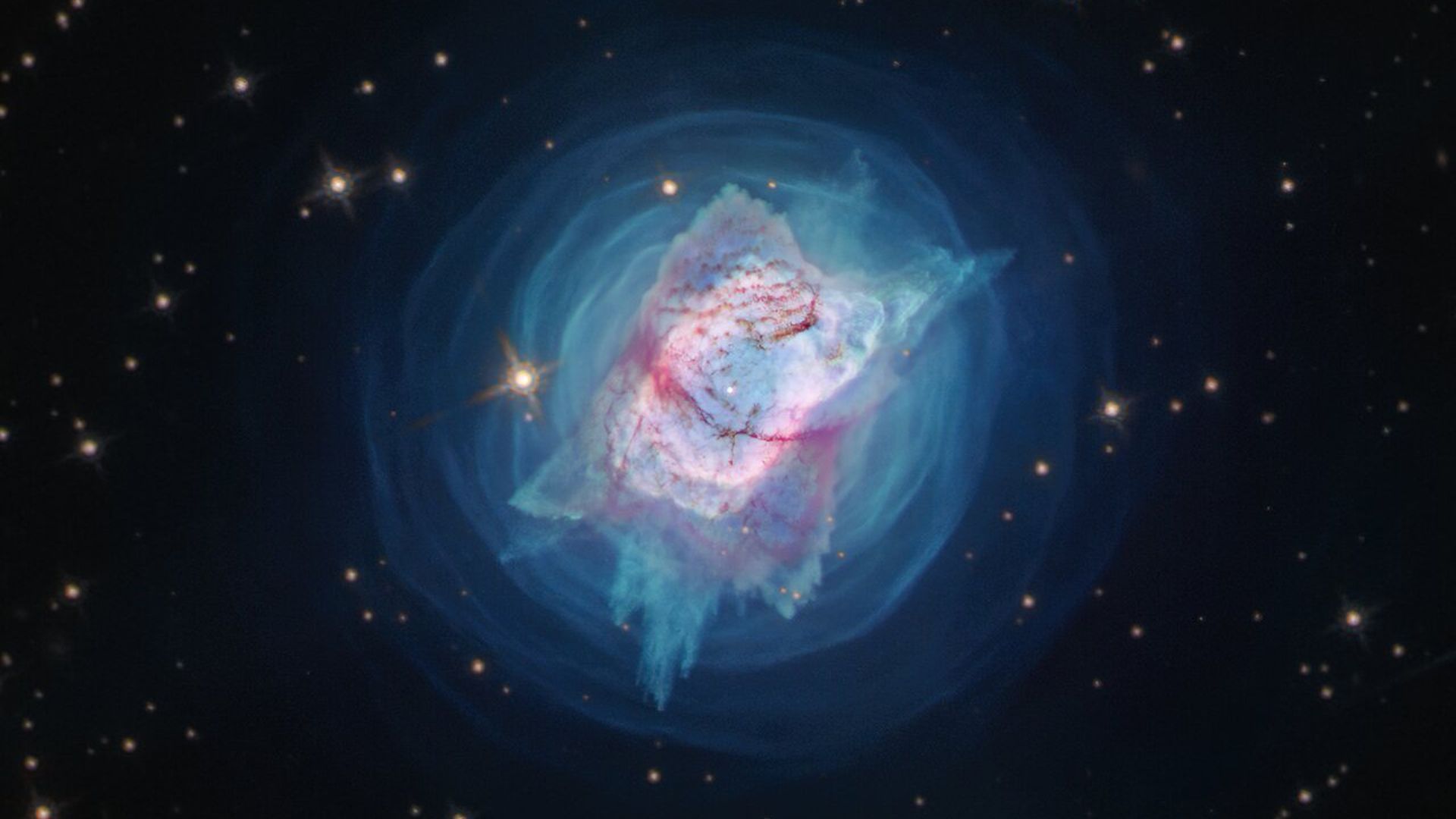
Pulling back the layers of dust and gas surrounding a planetary nebula can reveal an object's history to scientists on Earth, light-years away.
The big picture: This new photo of the planetary nebula NGC 7027 taken by the Hubble Space Telescope shows that the object had been puffing out layers of gas in spiral or spherical patterns for hundreds of years, but that's not the case anymore.
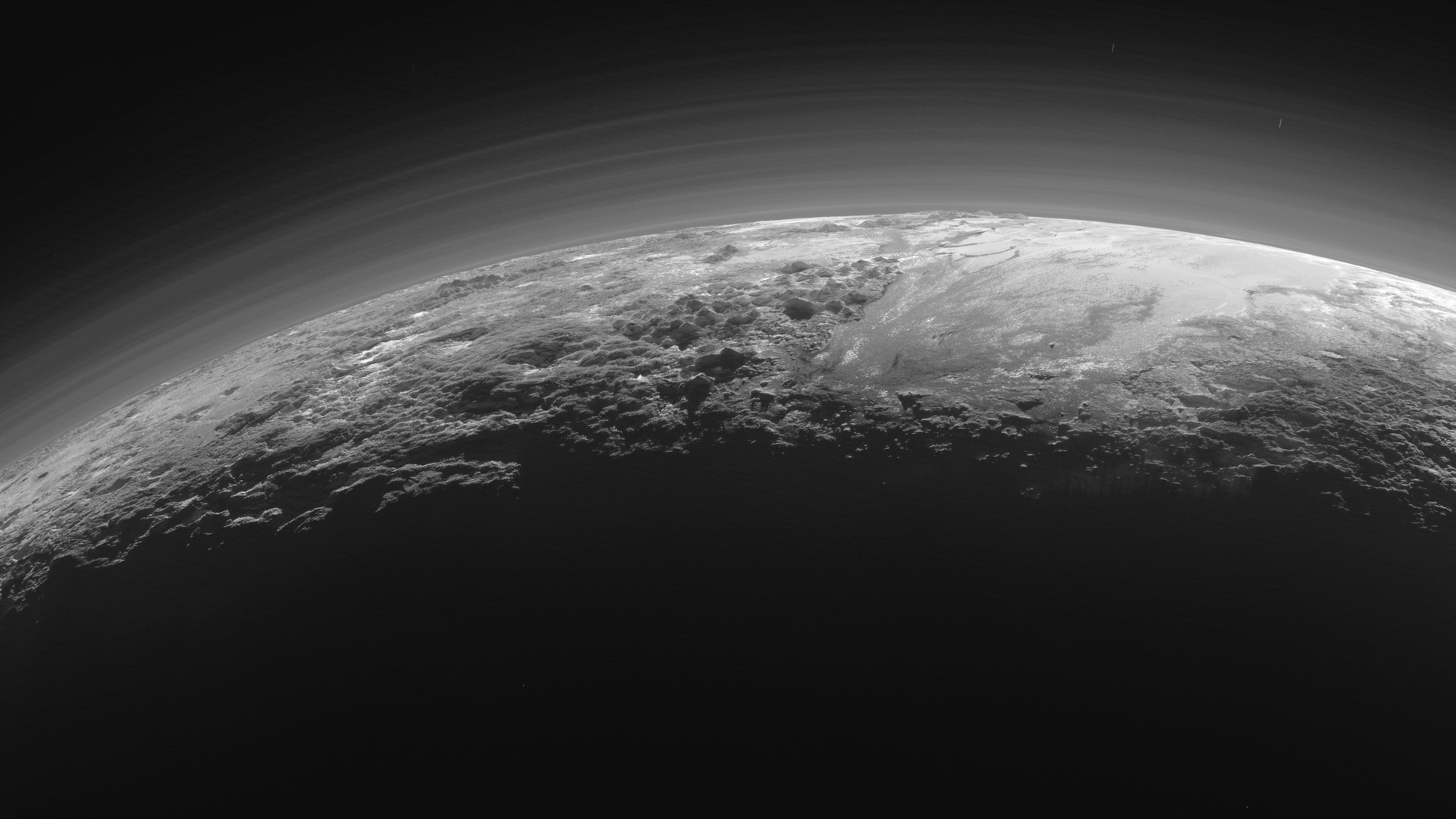
Pluto's ocean may have been hiding below the dwarf planet's icy shell for billions of years since not long after the world formed.
Why it matters: Understanding how Pluto formed during the early days of the solar system is key to getting a broader picture of how objects like the distant world came to be and why its part of space looks the way it does now.
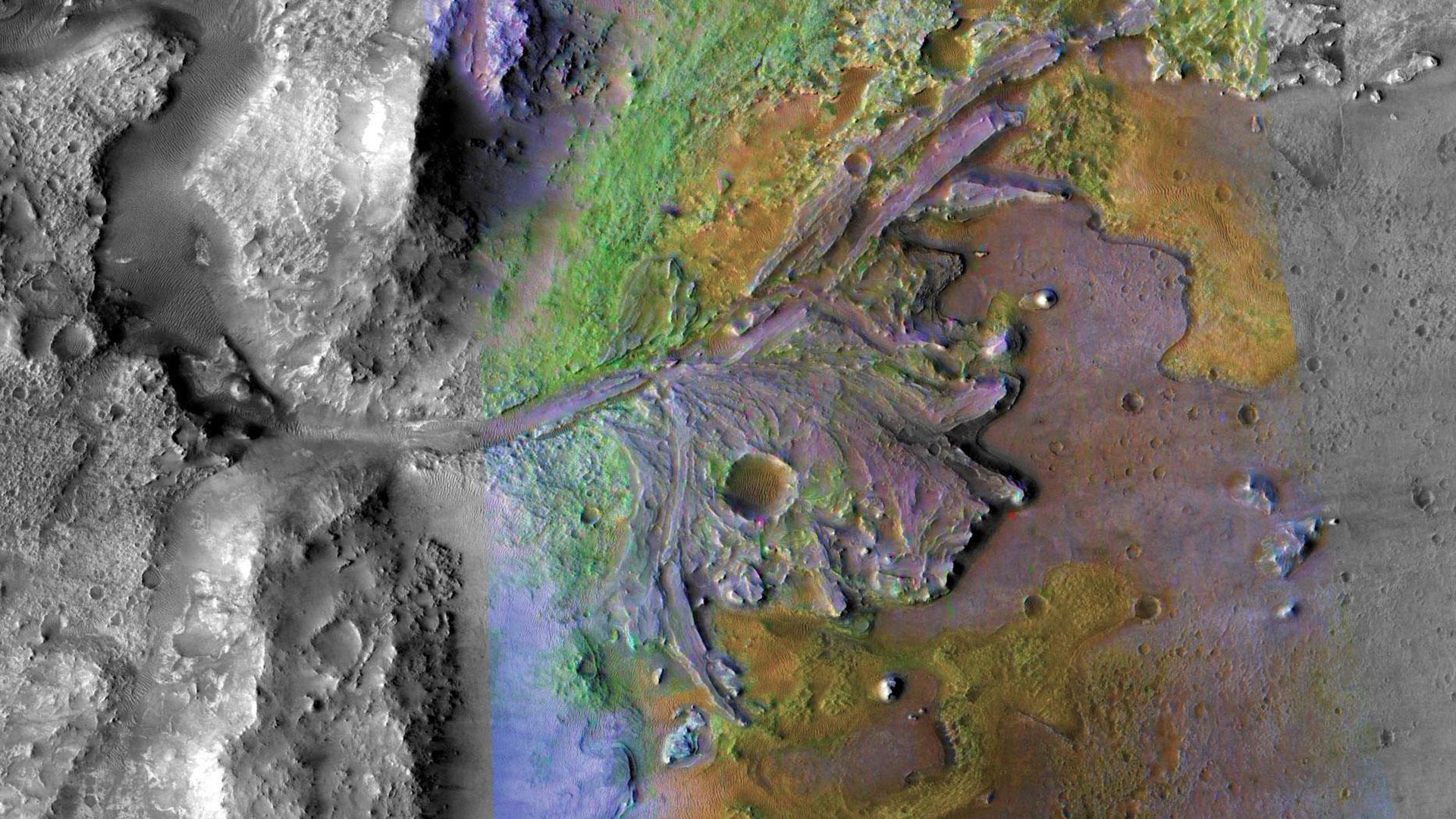
NASA's Perseverance rover — designed to hunt for signs of past life on Mars — is in the final stages of preparation before launching to the Red Planet as early as July 20.
Why it matters: The mission, which dodged possible delays from the coronavirus, marks a step forward for NASA's ambitions to investigate whether Mars was inhabited at some point in the past.
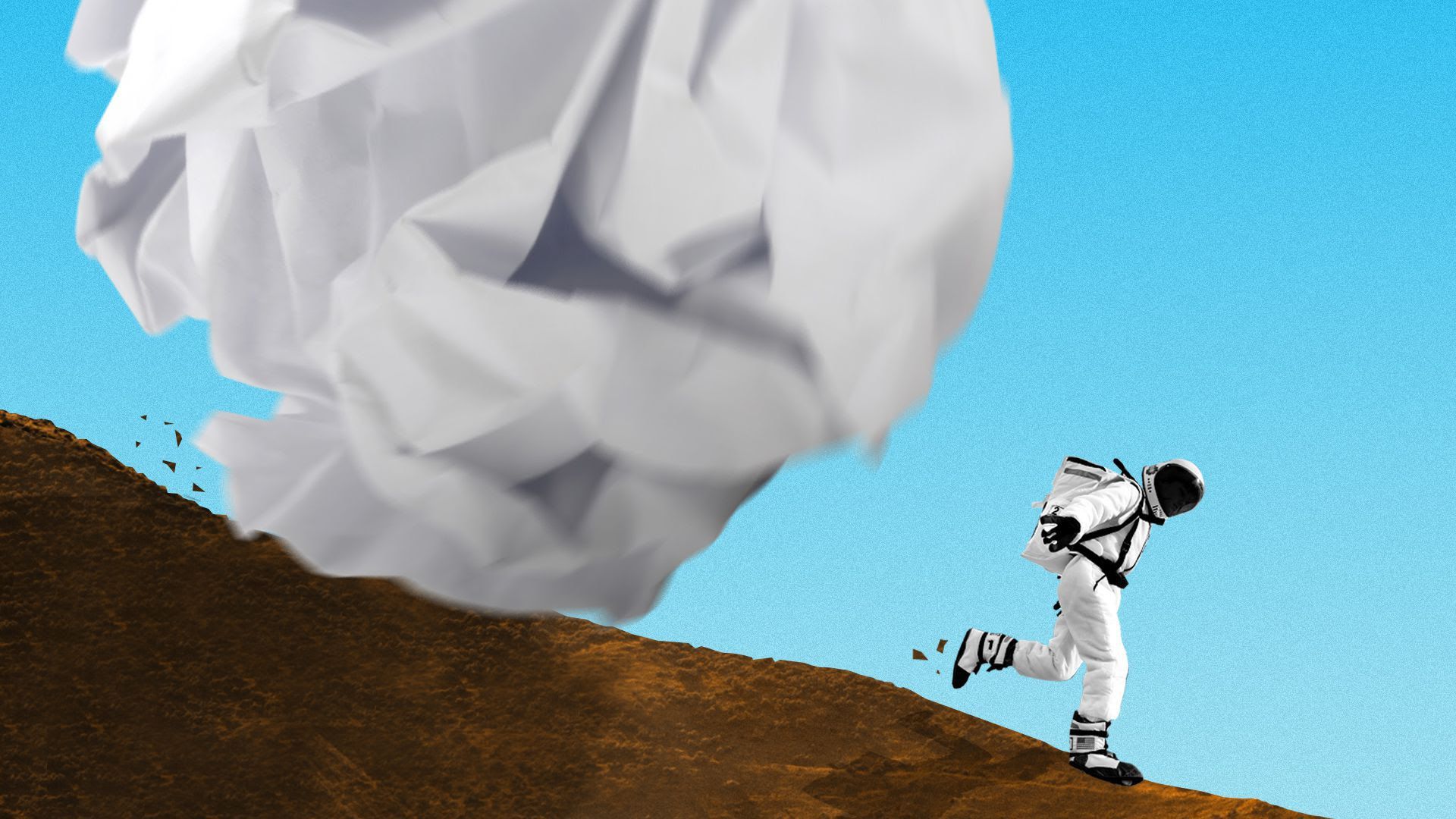
The threat posed by space junk is growing — and the window for mitigating it is closing. Experts say the U.S. hasn't done enough to combat the growing problem.
Why it matters: Companies like SpaceX are working to launch hundreds of small satellites to already crowded orbits. Even if just a small percentage of them fail, it could put other satellites in danger, costing companies and governments millions of dollars and making parts of space unusable.