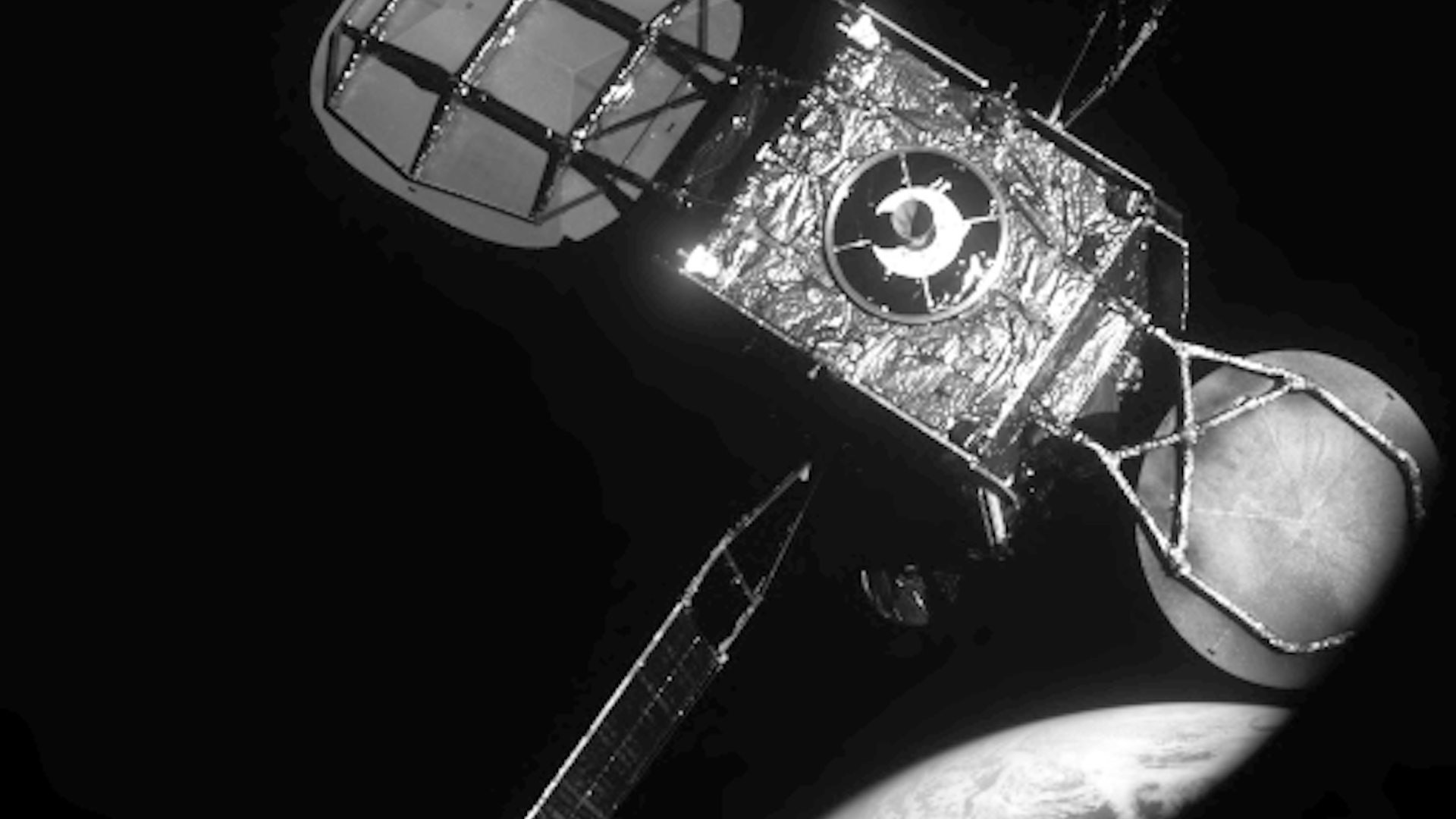
A satellite has been returned to service thanks to a new kind of spacecraft designed to bring defunct satellites back to life, Intelsat and Northrop Grumman announced Friday.
Why it matters: This milestone marks some of the first proof that this kind of satellite servicing could work in the long run, extending the lives of expensive spacecraft and reducing the amount of junk in orbit.
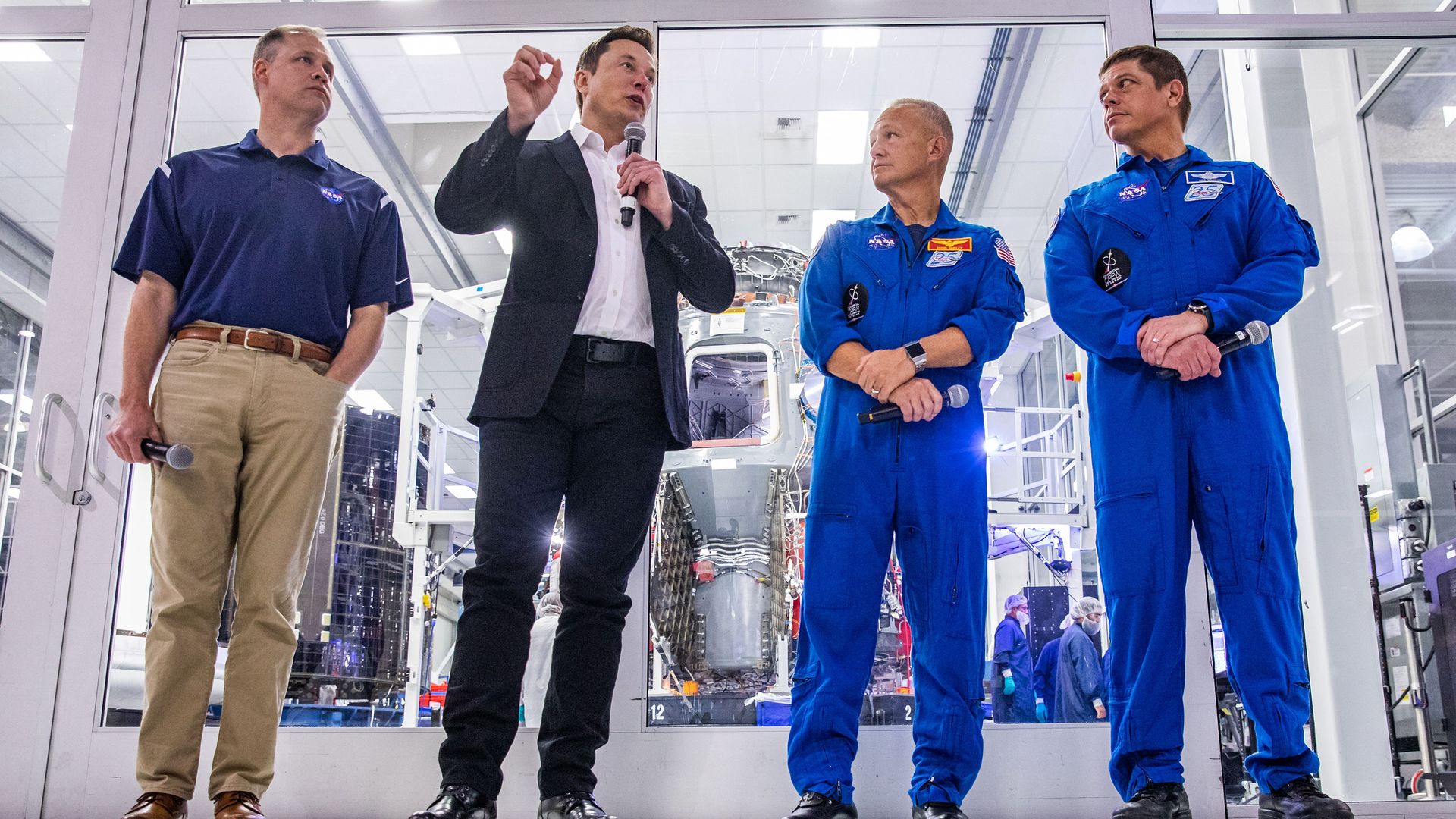
NASA administrator Jim Bridenstine announced Friday that the space agency will send astronauts to the International Space Station on SpaceX's Crew Dragon capsule and Falcon 9 rocket on May 27 — the first launch of astronauts from U.S. soil since 2011.
Why it matters: It also marks the first crewed launch for equipment crafted by SpaceX, founded by Elon Musk. "We need access to the International Space Station from the United States of America. ... It's essential for our country to have that capability," Bridenstine told CNBC about the launch earlier this year.
Scientists are calling for a better biosecurity system to govern lab experiments involving potentially dangerous viruses.
Why it matters: COVID-19 has clearly demonstrated the tremendous human and economic damage even a relatively mild but new virus can wreak. With researchers increasingly able to create far more lethal pathogens in a lab using new gene engineering tools, science needs to rethink oversight for such experiments.