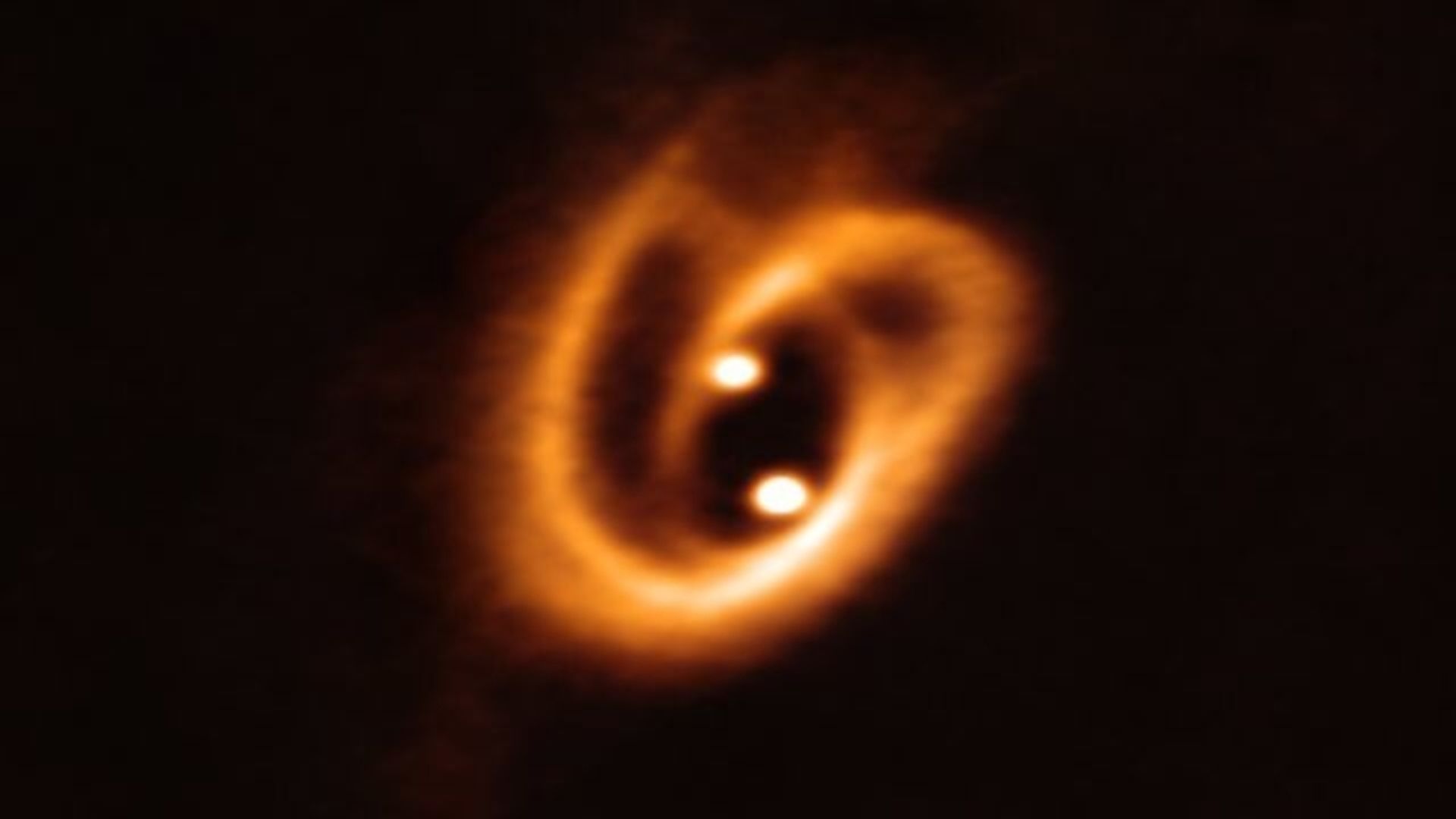
Two young stars are being born from turbulent disks of gas and dust in a new photo taken by the ALMA telescope in Chile.
What they're saying: "The size of each of these disks is similar to the asteroid belt in our solar system," Felipe Alves, an author of the study detailing this finding, said in a statement.
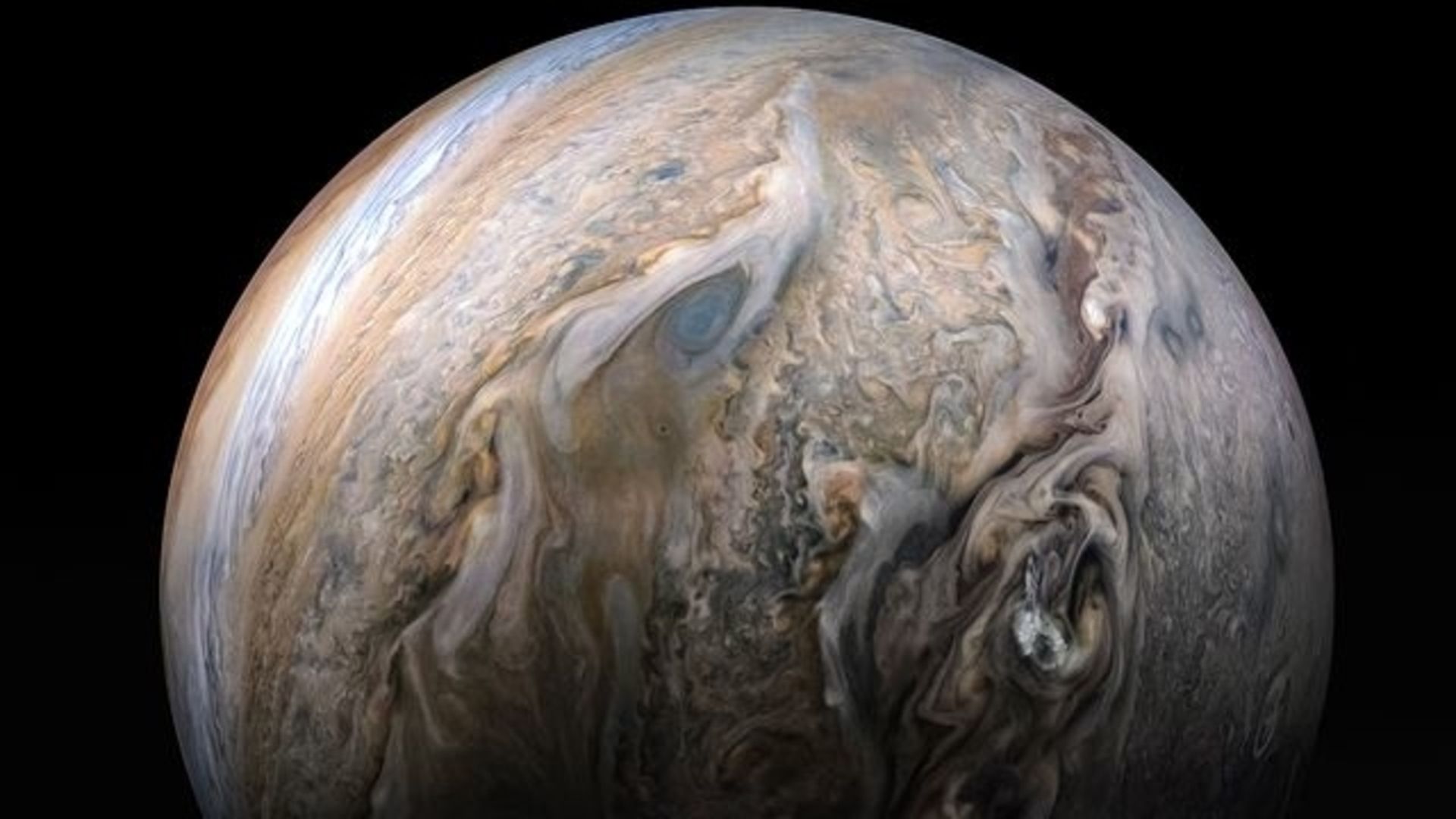
NASA's Juno spacecraft has a new lease on life thanks to a 10.5-hour maneuver to keep the Jupiter-studying probe out of the huge planet's shadow.
Why it matters: Without the maneuver, Juno's mission would have likely ended when the spacecraft entered Jupiter's shadow in November, plunging the bus-sized probe into darkness for about 12 hours, draining its solar-charged batteries.
Astronomers have found indirect evidence of a new type of black hole, and they're now making advances toward seeing one for the first time.
Why it matters: Known as intermediate-mass black holes, these mysterious objects could be the key to unlocking how galaxies evolved, revealing more about why our universe looks the way it does.
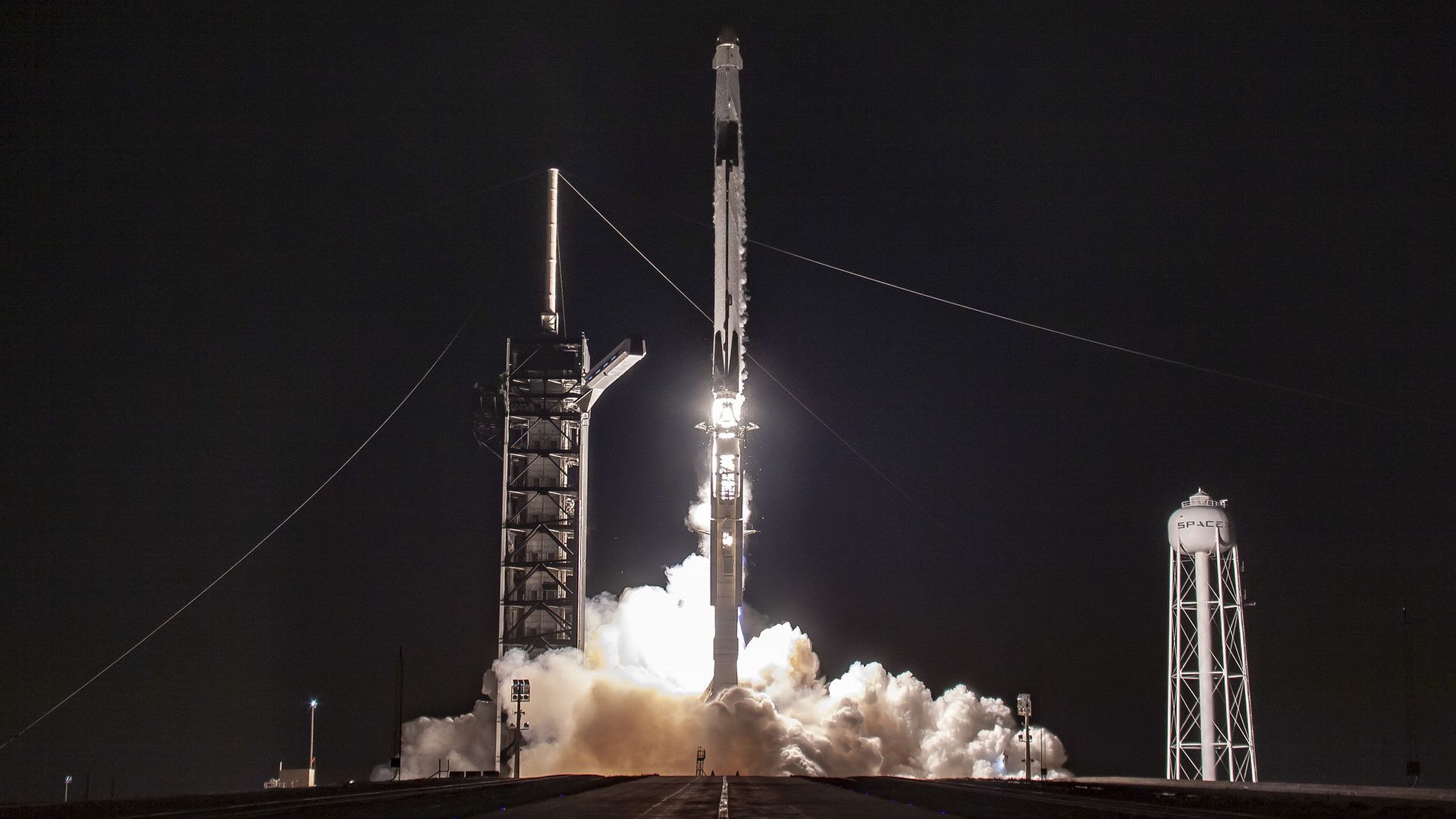
Boeing and SpaceX — tasked with building spacecraft to ferry astronauts to and from the International Space Station for NASA — are not likely to launch people to orbit before the end of the year.
Why it matters: The Commercial Crew program is tasked with ending NASA's reliance on Russia's Soyuz rocket but has faced technical delays and budget shortfalls for years, leaving the space agency dependent on Russia's spaceflight capabilities.
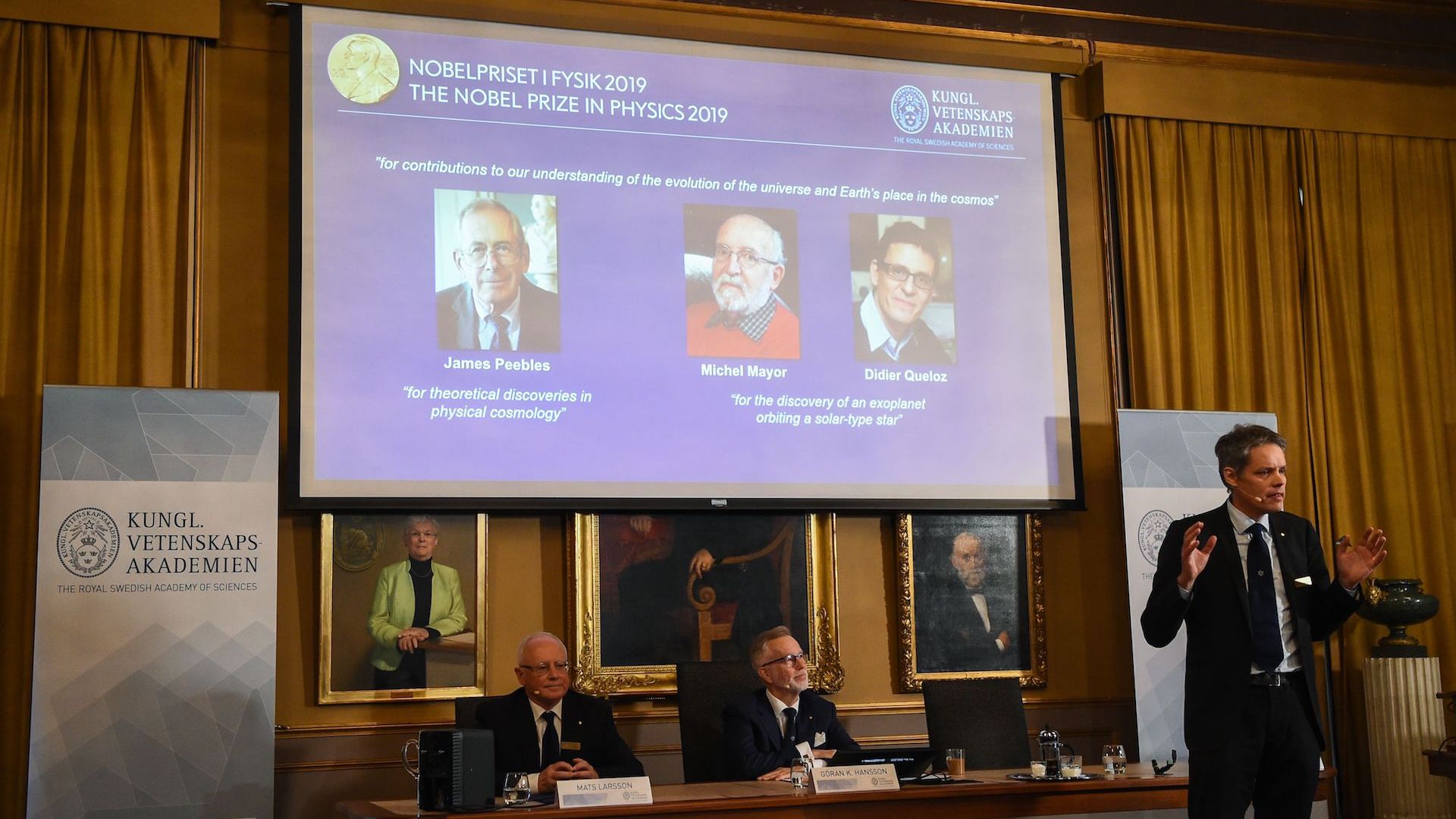
Three scientists were awarded the 2019 Nobel Prize in physics on Tuesday for their work to understand the universe on a grand scale.
Why it matters: The discoveries made by these laureates have changed the way scientists understand planets outside our solar system and the evolution of the cosmos.

/2019/10/08/1570555954126.gif?w=3840)