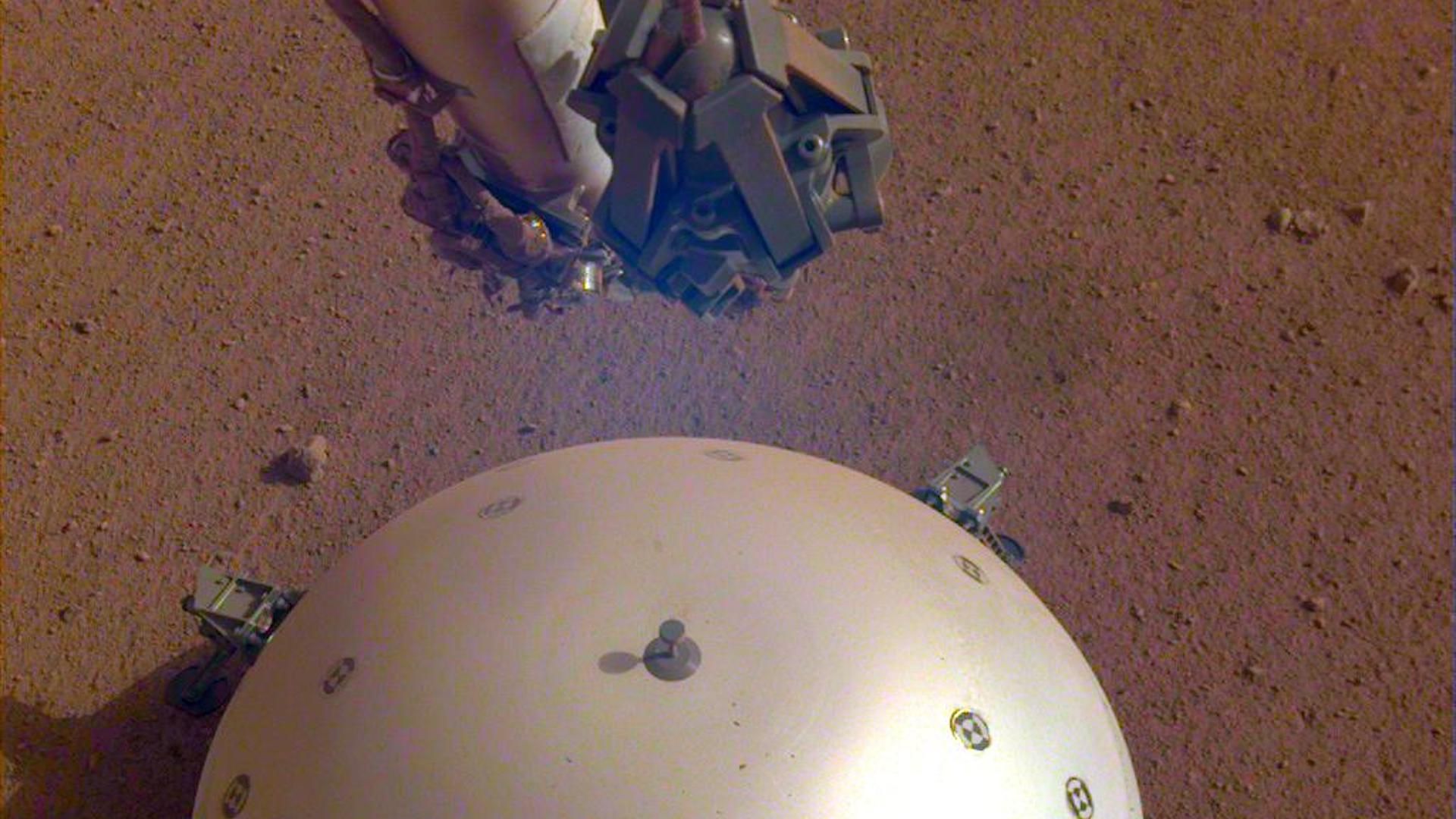
On April 6, NASA's InSight lander measured its first quake on Mars, a significant milestone for the spacecraft.
Why it matters: InSight was sent to Mars specifically to measure seismic activity on the Red Planet. The "Marsquake" it felt earlier this month was small, but it marks the lander's first likely detection of a quake. NASA hopes to use seismic data collected by InSight to map Mars' interior, potentially helping scientists understand how the world formed.
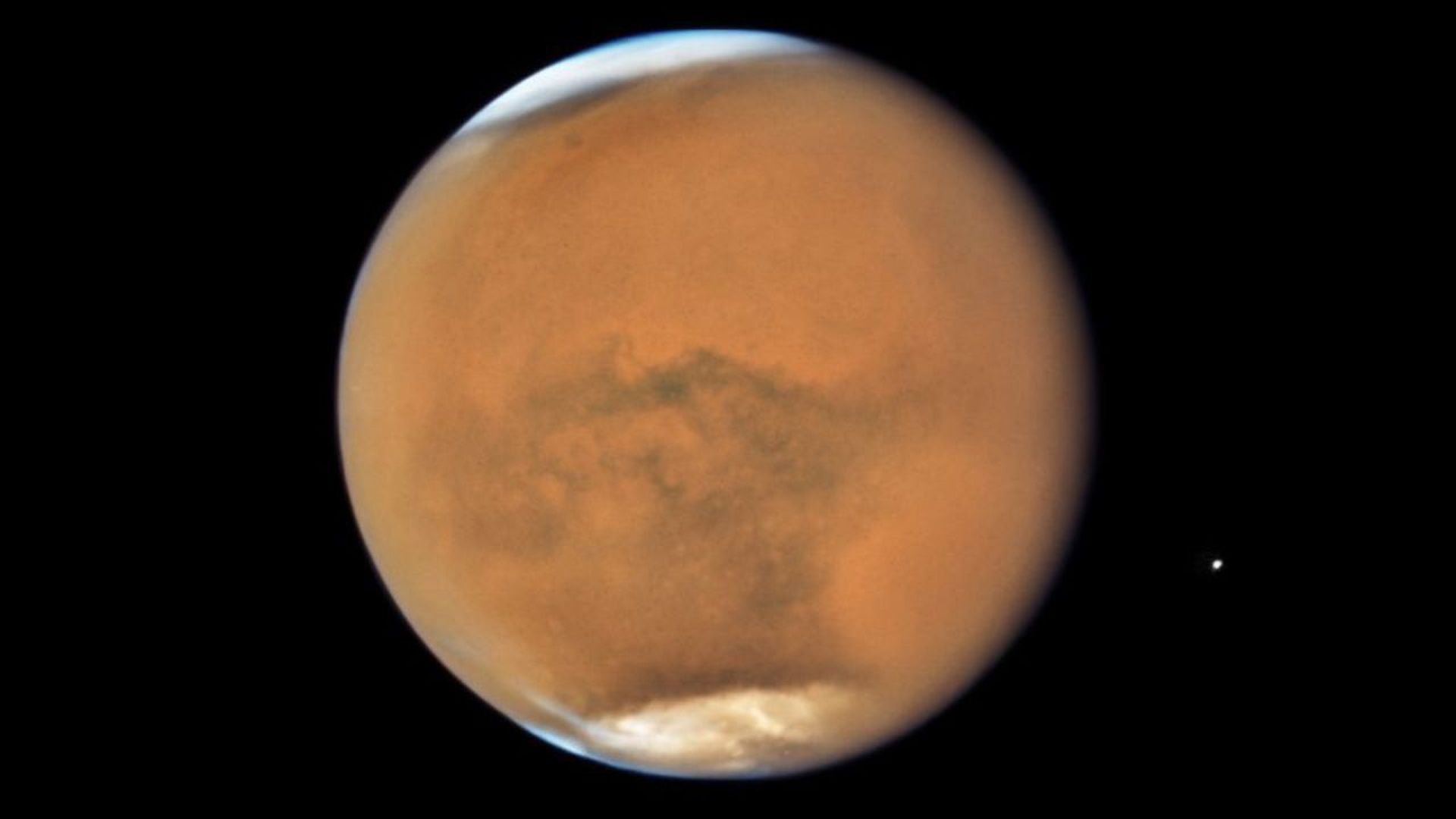
Hard-working microbes engineered to produce strong spider silk could one day aid astronauts living on Mars.
Why it matters: NASA is looking for ways to reduce the amount of material needed to launch to space for long-duration missions. Engineering microbes to make spider silk could aid in that effort.
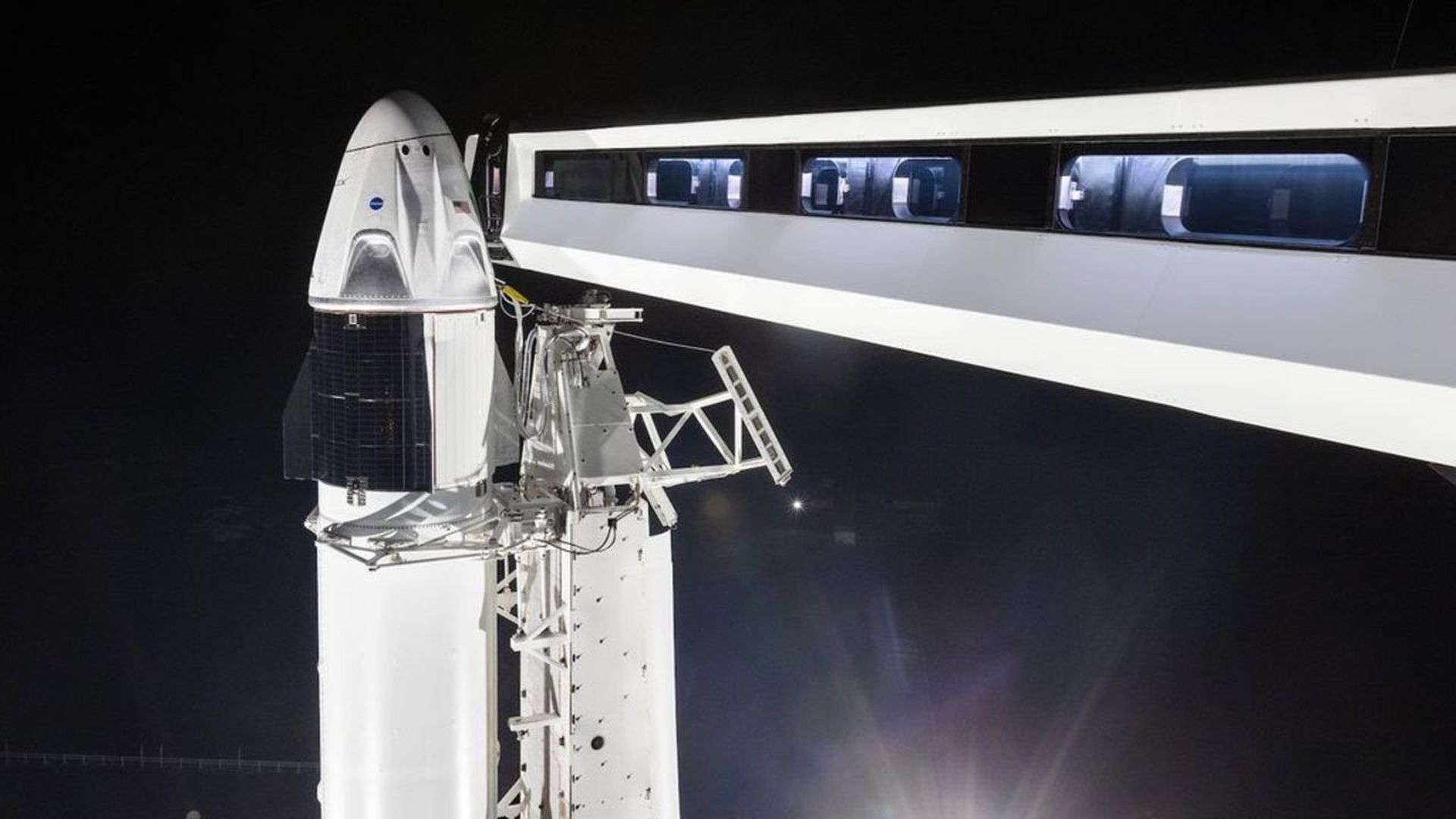
One of SpaceX's Crew Dragon capsules — the company's vehicle designed to fly NASA astronauts into space — experienced a malfunction during ground testing in Florida on Saturday.
Why it matters: The anomaly could push back SpaceX's plans to launch humans from U.S. soil this summer.
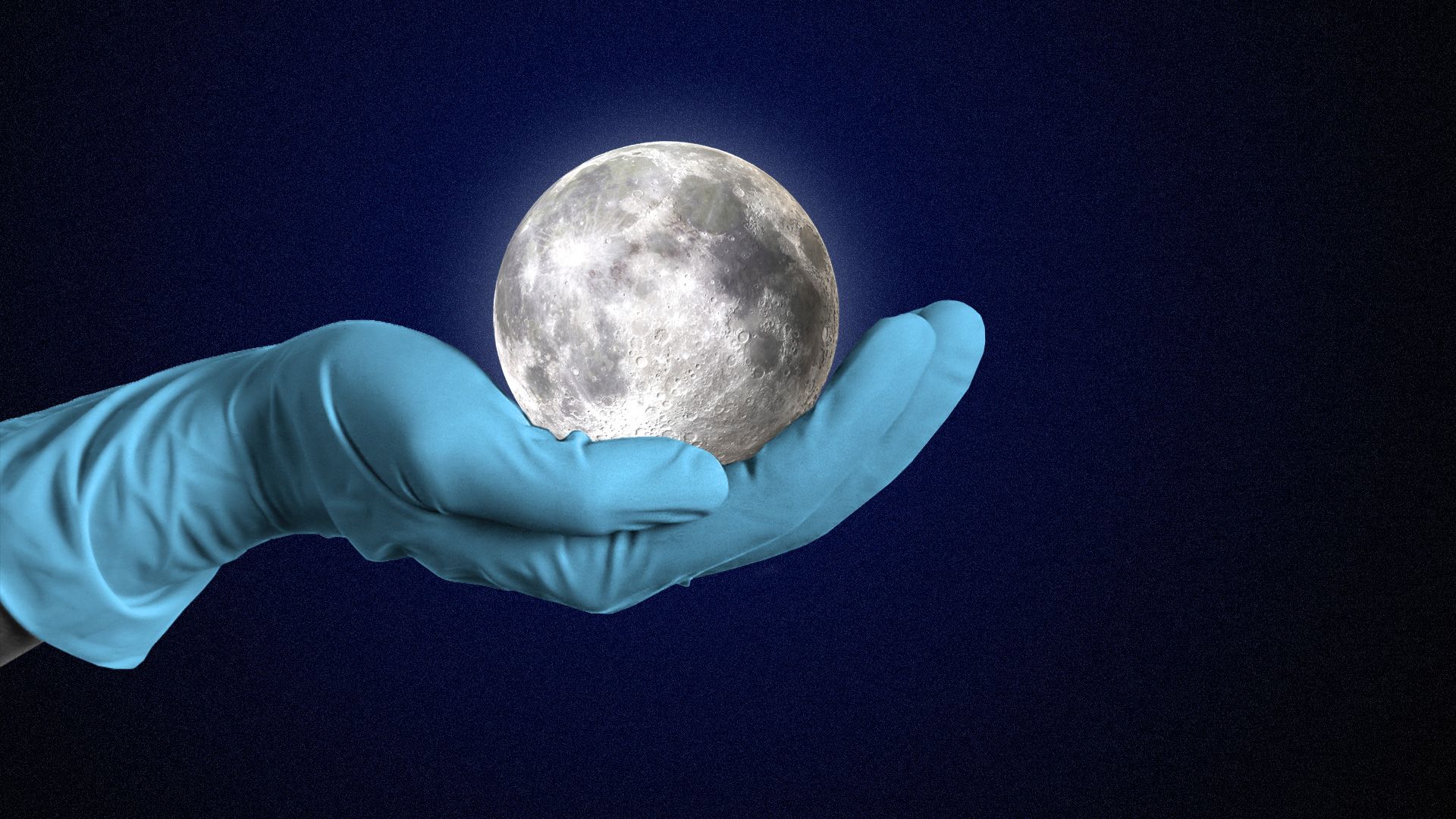
Geopolitics may be driving the Trump administration's planned return to the Moon by 2024, but, if risk and reward are balanced, science could benefit from the lunar return as well.
The big picture: The Moon acts as a time capsule of our solar system and Earth specifically. Clues into how the Moon formed 4.5 billion years ago — after a large object slammed into the Earth, carving out our natural satellite — are preserved in its geology.