March 05, 2025


Welcome to Wednesday! We have news on how House Republicans still haven't ruled out sweeping changes to Medicaid as part of reconciliation.
1 big thing: House GOP still eyes big Medicaid changes
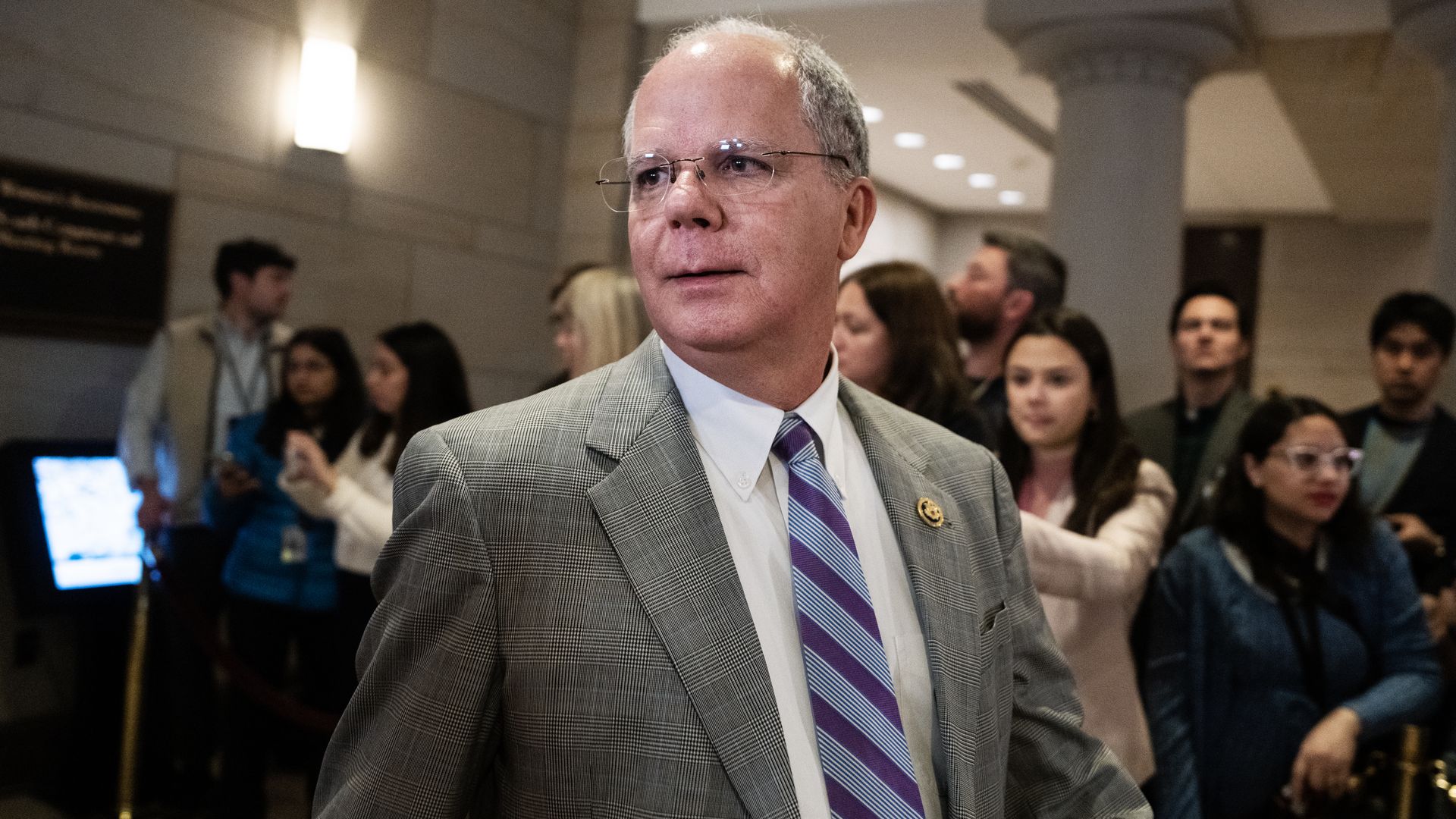
House Republicans continue to weigh major changes to Medicaid, as long as they are targeted at the expansion population of the program with incomes up to 138% of the federal poverty level, Peter scoops, citing a key chairman and other sources.
Why it matters: Over 20 million people get health coverage through the Affordable Care Act's Medicaid expansion, according to KFF. Overhauls could generate major savings in reconciliation but also risk pushing more people off the safety net program.
Driving the news: House Energy and Commerce Chair Brett Guthrie told Axios yesterday that he is eyeing lowering the the federal share of costs, or FMAP, for the expansion population, or even a per capita cap that applied only to the expansion group.
- "I think it's time that we reform [the] entitlement program, particularly in the expansion area," Guthrie said.
- He said he wants to make sure Medicaid works for "the disabled, the destitute, the people that Medicaid was originally designed for."
- "It's just unfair that the system's set up that if you're a disabled child in Kentucky and you go to the doctor, the federal government pays 72 cents on the dollar, if you're a healthy able-bodied adult, it pays 90 cents," he said, referencing a proposal to lower the 90% FMAP for the expansion.
Nine states have "trigger" laws that would end the Medicaid expansion if the federal share of funding were lowered.
Between the lines: Speaker Mike Johnson appeared to take changes like Guthrie suggested off the table in an interview with CNN last week.
- But sources say that House Republicans are distinguishing between the traditional Medicaid population and the ACA expansion population.
- Johnson did not make the distinction in his public comments on CNN, flatly stating "no" when asked if he will establish funding caps or lower the FMAP.
- A source familiar with the speaker's position said he's likely to be open to reforms if applied to the expansion population, noting that his comments were meant to signal that Republicans will protect the beneficiaries Medicaid was intended to serve.
- The source added that the speaker will continue to coordinate with and follow the lead of the White House, Guthrie and the other committee chairs.
Yes, but: No decisions have been made about including any such changes in the reconciliation bill, and there are still major obstacles, including the Senate and possibly President Trump.
- Trump has repeatedly said he does not want to "touch" Medicaid except for fighting "fraud." It is far from clear that Trump will follow through on a strict reading of that pledge, and "fraud" could be given an expansive definition.
- Senate Republicans are also generally less interested in a Medicaid overhaul, wary of the political blowback in their states.
The bottom line: It is not yet clear what the final savings target will be for Medicaid in the ultimate budget blueprint both chambers agree to — which Guthrie noted.
- "We have to figure out how we're going to get to a number," he said.
2. NIH nominee says agency is at a crossroads
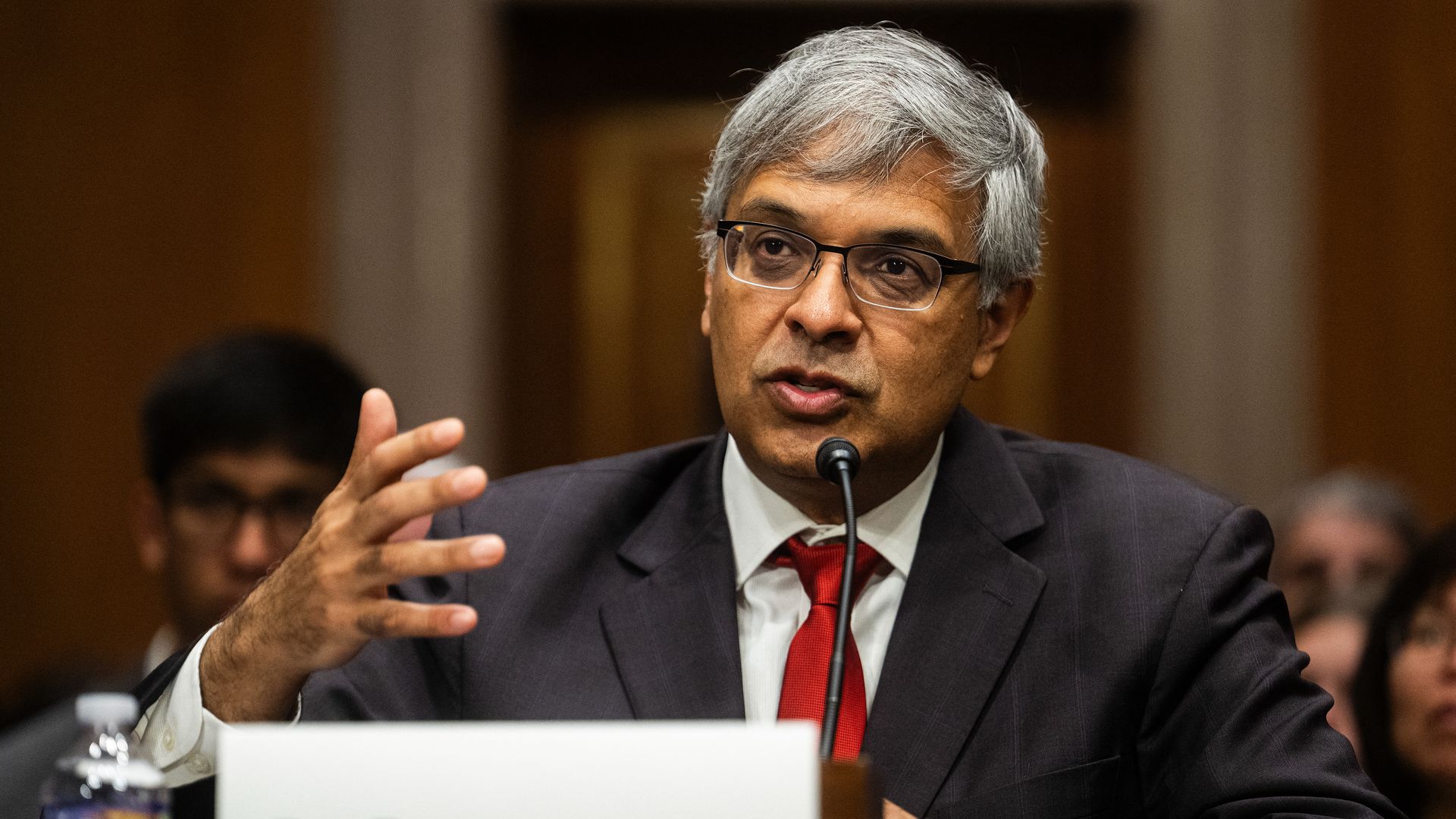
NIH director-designate Jay Bhattacharya appears headed for confirmation after a Senate HELP hearing today at which he suggested the agency is at a crossroads, Victoria reports.
Why it matters: The Stanford professor, whose views on the COVID-19 response and herd immunity rattled the scientific establishment, is expected to satisfy skeptics' calls for a reexamination of how NIH works.
Driving the news: Bhattacharya outlined five steps to revamp the agency he would take if confirmed.
- Those include focusing research on chronic diseases and establishing what he termed a culture of respect for free speech in science and scientific dissent.
- He pledged to fund the most innovative biomedical research possible and vigorously regulate high-risk research on pathogens that could cause another pandemic, and to make those efforts transparent. And he said he would make scientific data reliable and replicable.
What they're saying: HELP Chair Bill Cassidy used the deadly measles outbreak in western Texas to press Bhattacharya on whether he believed there was a link between measles vaccine and autism.
- Bhattacharya responded that he didn't generally believe so but added that there is "tremendous distrust in medicine and science coming out of the pandemic."
- He said he would support "a broad scientific agenda based on data to get an answer" on why there is a sharp rise in the percentage of children that have been identified with autism spectrum disorder. Experts say the increase is likely due to increased awareness of the condition.
- Cassidy repeatedly pressed Bhattacharya on why he would spend limited federal dollars examining whether there is a connection between vaccines and autism when that link has been disproven. By the end of the hearing, the pair appeared to agree to limit the focus on the rise in autism diagnoses.
Top Senate appropriators Susan Collins and Patty Murray expressed concerns about NIH capping funding for indirect research costs, with Collins going so far as to reiterate that the recent policy change was illegal.
- "If confirmed will you work immediately to rectify and reverse course on having a one-size-fits-all 15% direct cap on indirect costs?" Collins asked.
- Bhattacharya responded that he was committed to following the law on the indirect costs policy.
Senate HELP Democrats also expressed concerns about the federal research freezes, NIH probationary staff cuts and the postponement of scientific advisory committee meetings.
- Bhattacharya said that he wasn't involved in any of the personnel decisions but would evaluate them closely if confirmed.
HELP Ranking Member Bernie Sanders asked Bhattacharya what NIH could do to lower drug prices.
- Bhattacharya responded that the NIH should fund research to look at off-patent, off-label uses of drugs.
Catch up quick: Bhattacharya is a health economist who rose to prominence in the Trump world as a vocal opponent of lockdowns.
- He cowrote the Great Barrington Declaration, a petition from a group of scientists that argued for allowing COVID to spread among young, healthy people to reach herd immunity faster.
- During his opening remarks, Bhattacharya said that he "loved the NIH" but that post-pandemic, "American biomedical sciences are at a crossroad."
3. Catch me up: Dental care, Rep. Green censure

- Dental care: If Congress cuts Medicaid funding to states, dental care for adults could be one of the first casualties, as legislators and governors reprioritize services, Maya Goldman reports.
- Heckling blowback: Rep. Al Green is facing multiple Republican censure efforts after he was escorted out of the House chamber last night for heckling Trump over Medicaid cuts, Andrew Solender reports.
- DTC Wegovy: Novo Nordisk unveiled a direct-to-patient delivery option that offers all dosages of Wegovy at a reduced cost of $499 per month.
- Surprise bills: Trump vowed to eliminate surprise medical bills. But DOGE-directed cuts are weakening the office charged with implementing the No Surprises Act, KFF Health News reports.
✅ Thank you for reading Axios Pro Policy, and thanks to editors Adriel Bettelheim and David Nather and copy editor Brad Bonhall. Do you know someone who needs this newsletter? Have them sign up here.
View archive